Does Your Jacksonville Garage Door Meet Florida’s Hurricane Standards?
A standard residential garage door is not built to withstand hurricane-force winds. It is typically the largest opening in your home and, without reinforcement, the most likely point of structural failure during a major storm. In Northeast Florida, where hurricane season runs June through November, this is not a hypothetical risk.
This guide covers what makes a garage door hurricane-rated, what it costs to upgrade in Jacksonville, and what to check before storm season.
Florida’s Wind Load Requirements for Garage Doors
Florida Building Code requires garage doors in certain wind zones to meet specific design pressure (DP) ratings. Jacksonville (Duval County) falls in the 120 mph wind zone for most of its area, with coastal zones (Atlantic Beach, Neptune Beach, Jacksonville Beach) subject to higher requirements.
| Zone | Min Wind Speed | DP Rating Required |
|---|---|---|
| Jacksonville (inland) | 120 mph | +/- 35 psf or higher |
| Jacksonville Beach / Beaches | 130 mph | +/- 45 psf or higher |
| Yulee / Nassau County | 120 mph | +/- 35 psf or higher |
A door sold and installed before the 2001 Florida Building Code revisions may not meet current requirements — even if it has never visibly failed. If you don’t know your door’s DP rating, that’s the first thing to find out.
What Makes a Garage Door Hurricane-Rated?
Hurricane-rated doors are engineered differently from standard residential doors:
- Heavier gauge steel — typically 24 or 25 gauge vs. 27–28 gauge on standard doors. Heavier gauge resists panel deformation under wind pressure.
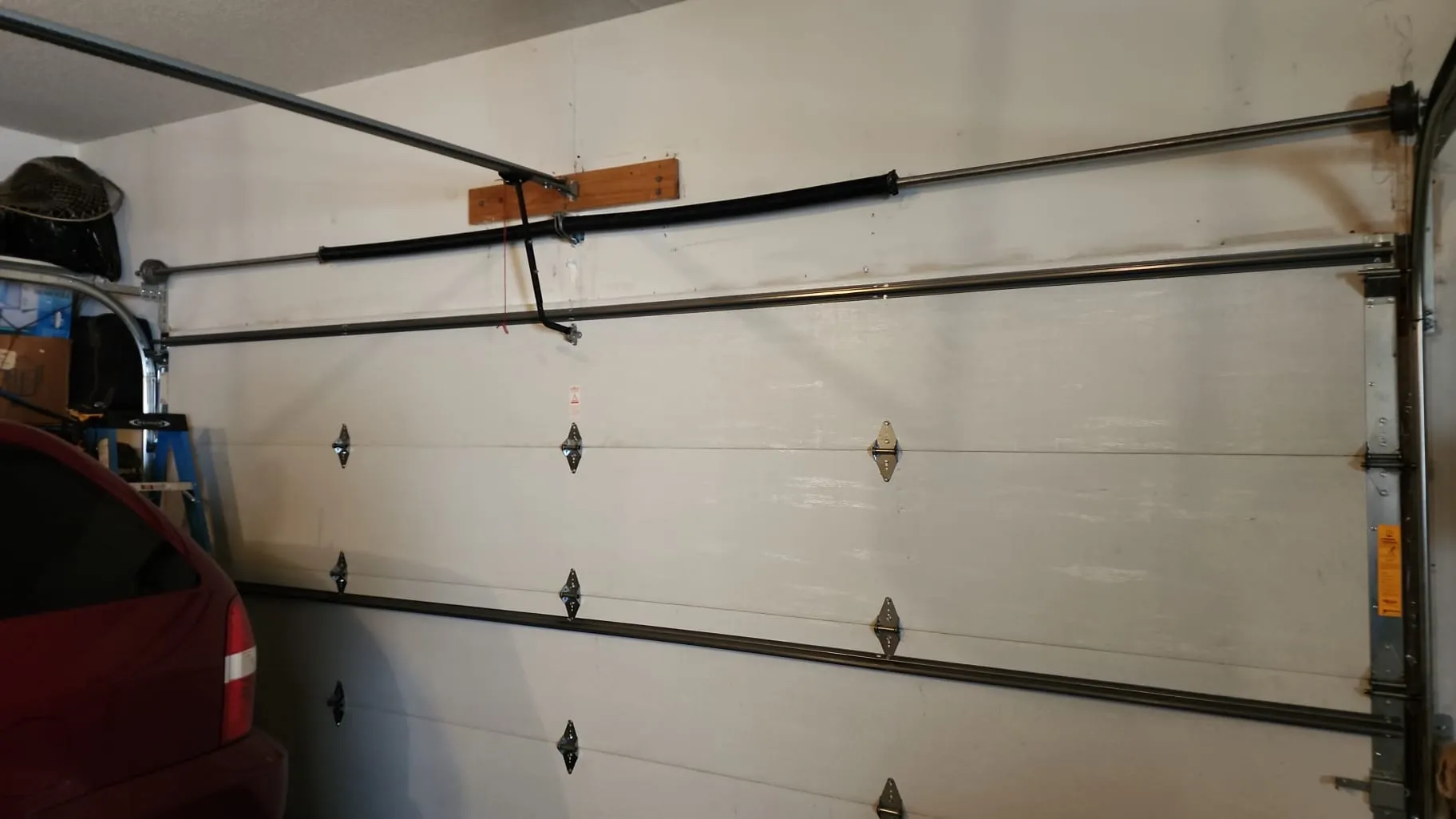
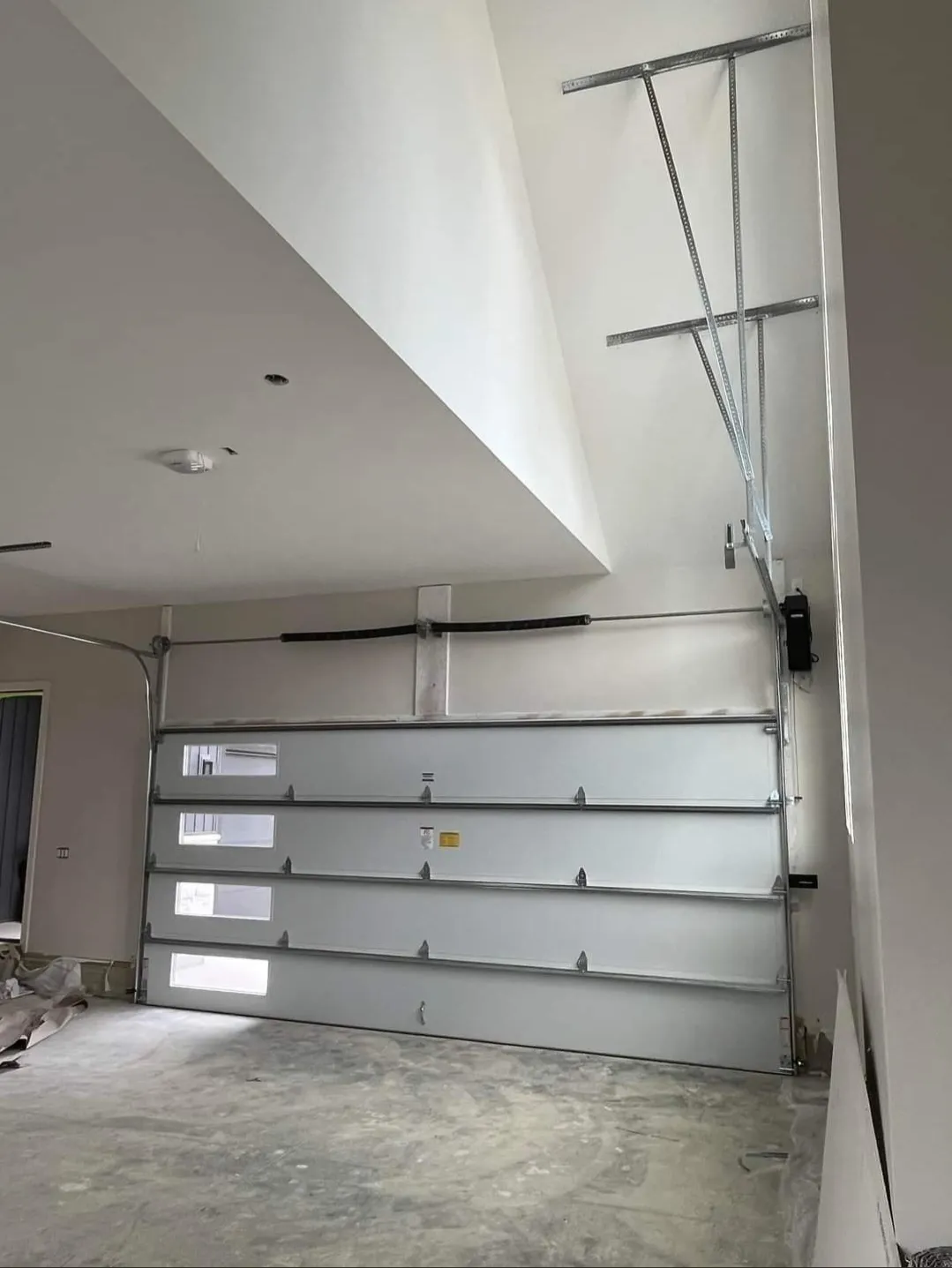
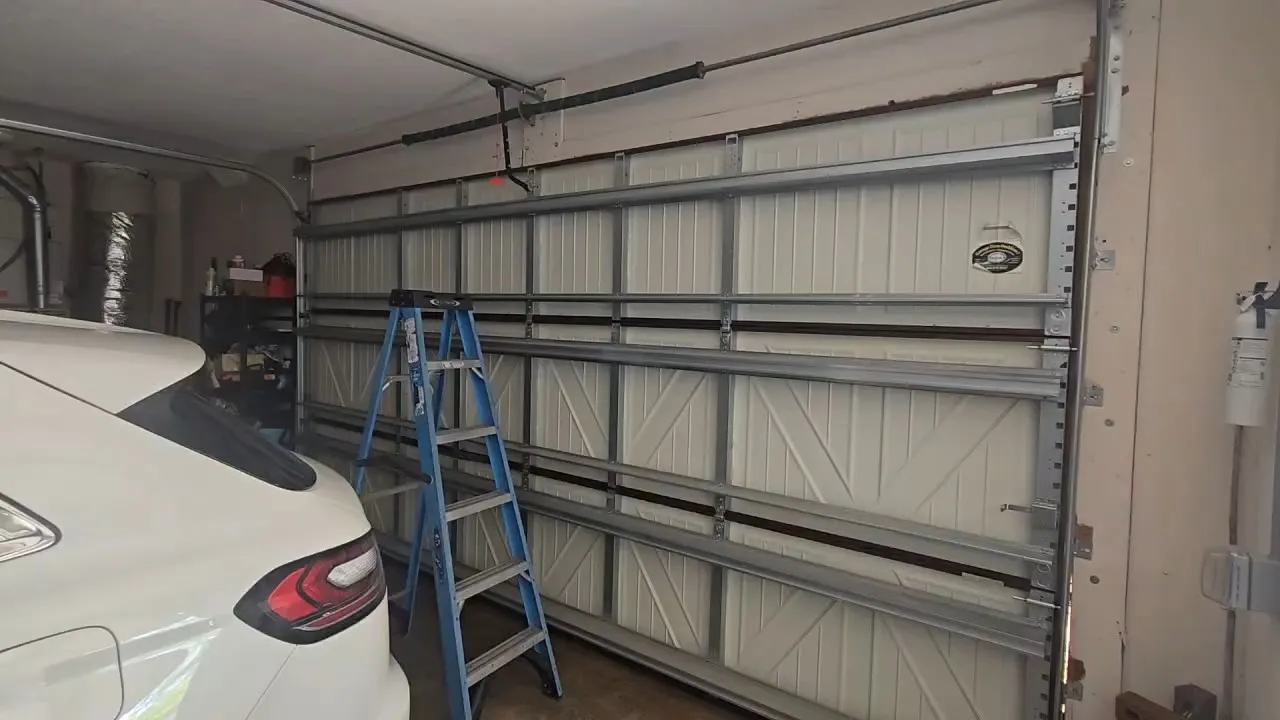
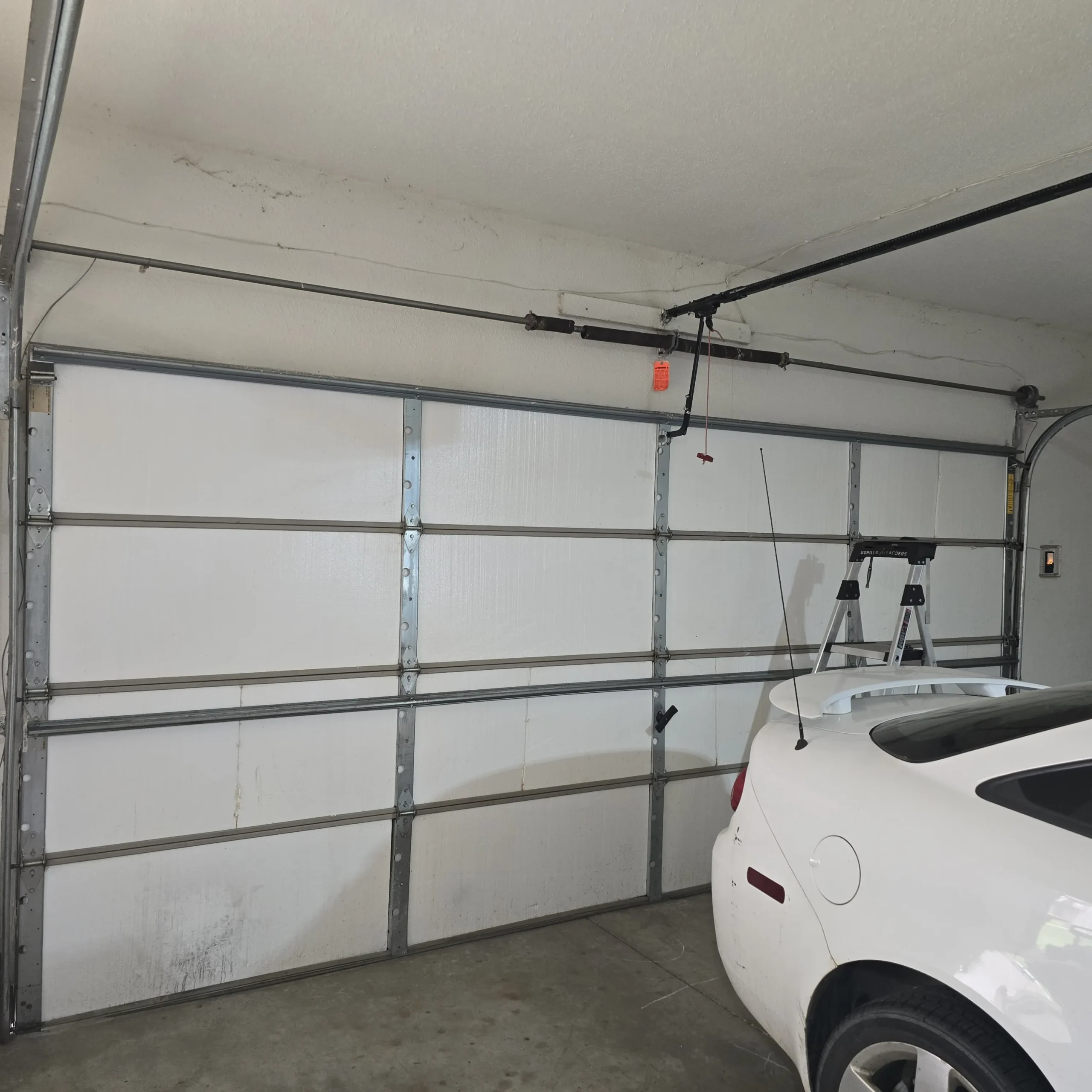
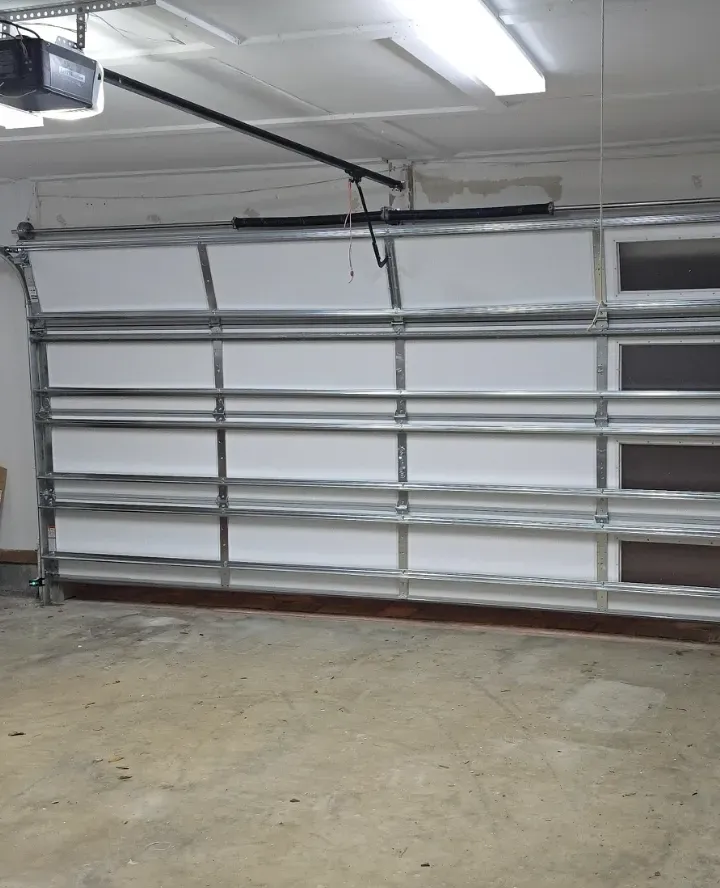
- Horizontal bracing — internal struts across each panel section prevent buckling. More struts = higher wind rating.
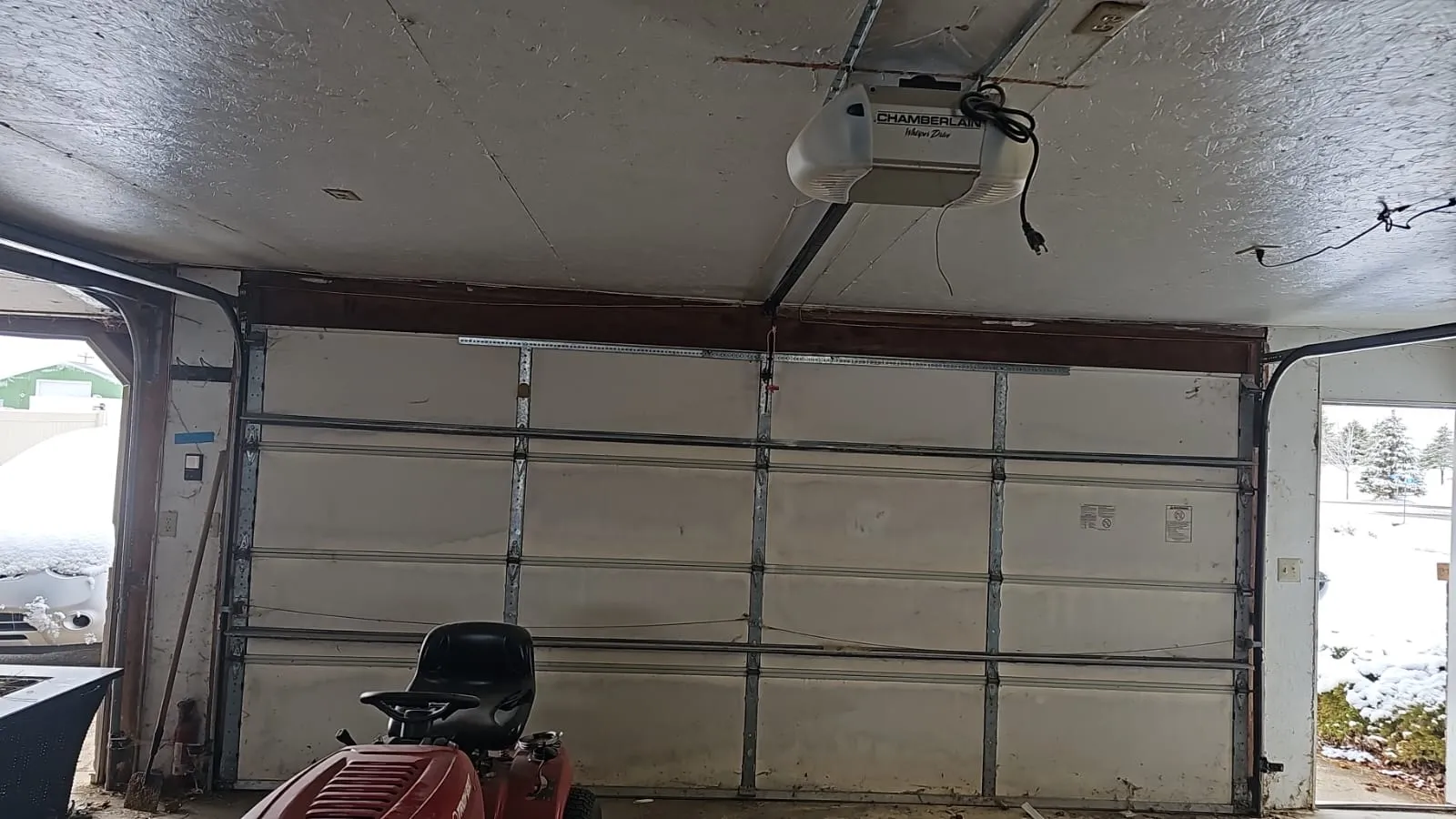
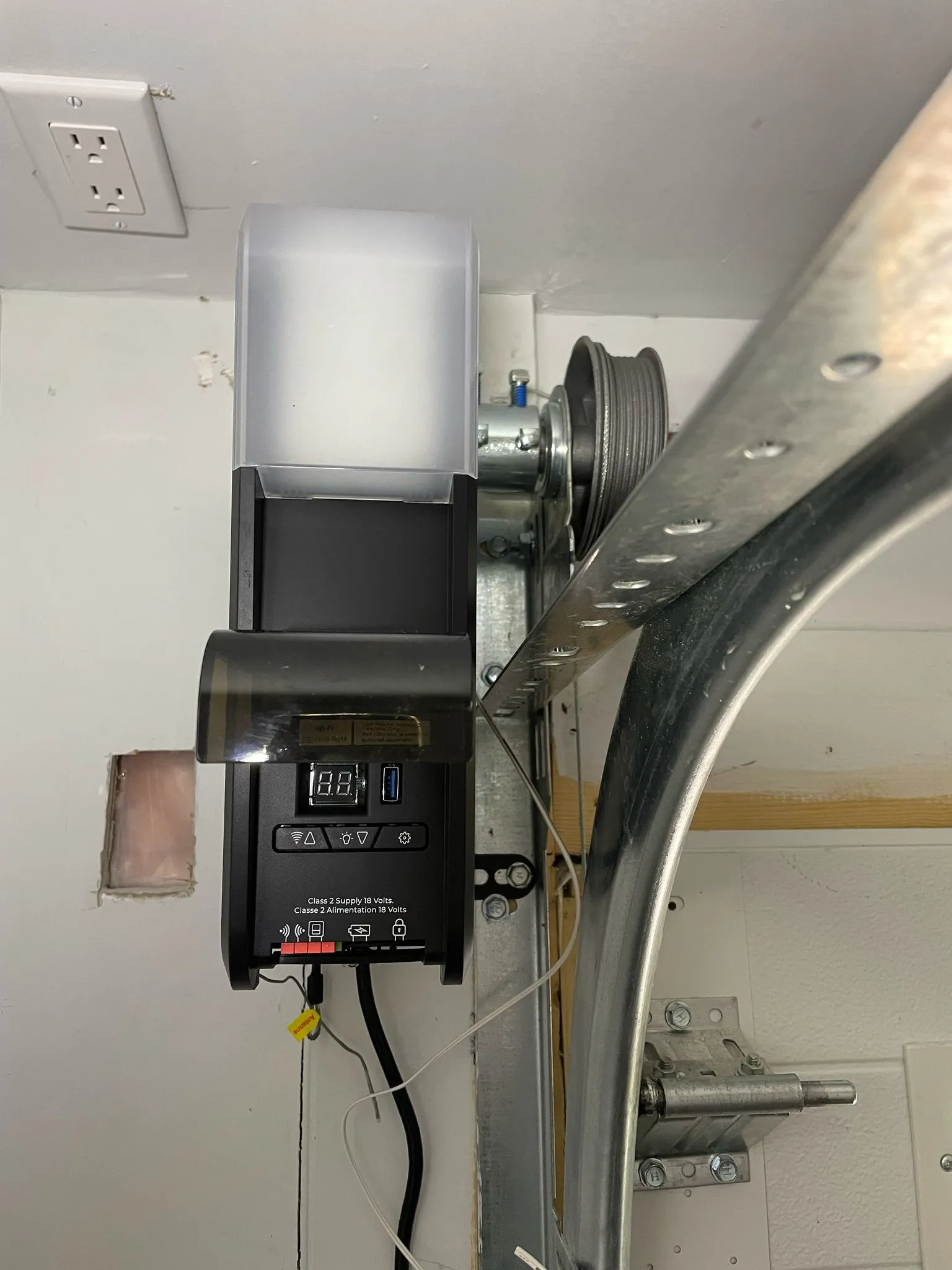
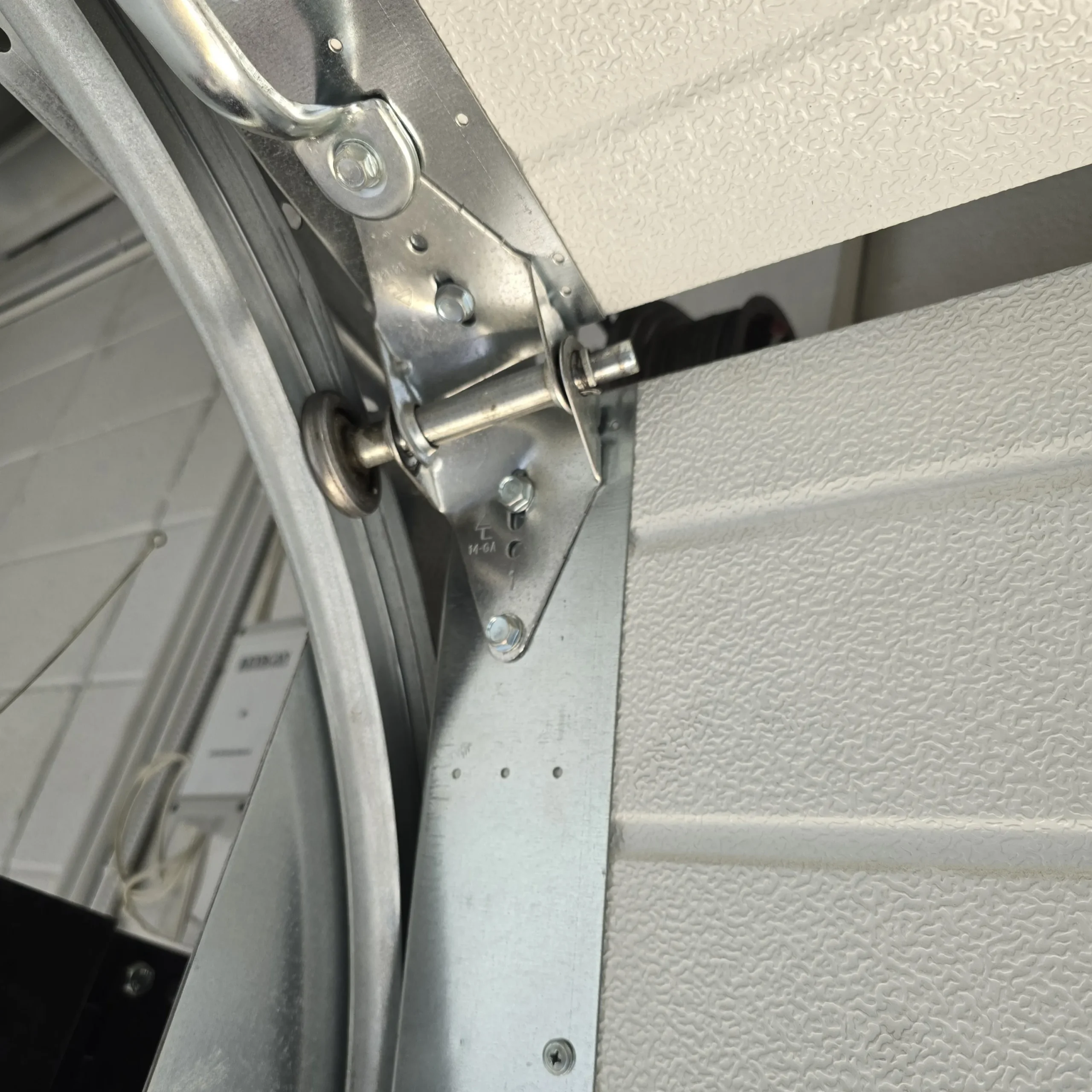
- Heavy-duty hinges and hardware — standard hinges are the first failure point in a wind event. Hurricane-rated hardware is significantly heavier and uses more fasteners.
- Wind-rated track and bracket system — the track that guides the door must be anchored to the wall framing, not just the door frame itself.
- Florida Product Approval (FPA) number — every hurricane-rated door sold in Florida must have an FPA number on file with the state. Ask for it. If the installer can’t provide it, the door is not code-compliant for your permit.
Hurricane Garage Door Cost in Jacksonville (2026)
| Door Type | Single Car (8×7 or 9×7) | Double Car (16×7 or 18×7) |
|---|---|---|
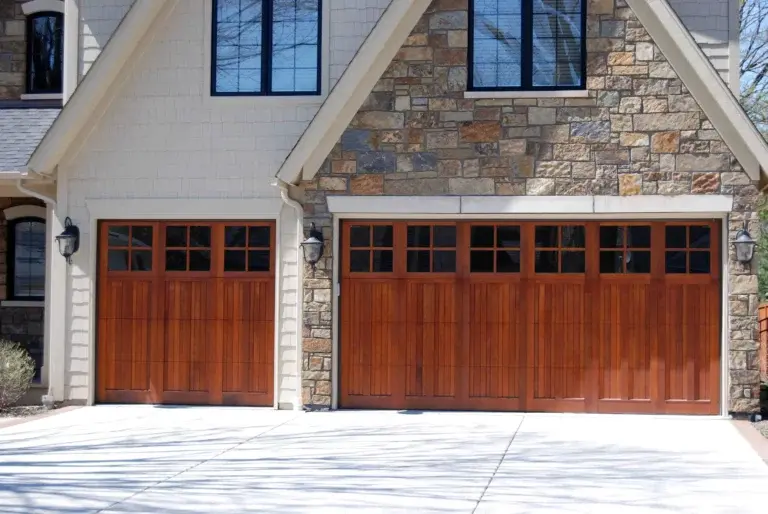
| Wind-rated steel, non-insulated | – ,100 | ,200 – ,800 |
| Wind-rated steel, insulated (R-8) | – ,400 | ,500 – ,200 |
| Wind-rated steel, insulated (R-16+) | ,100 – ,700 | ,900 – ,800 |
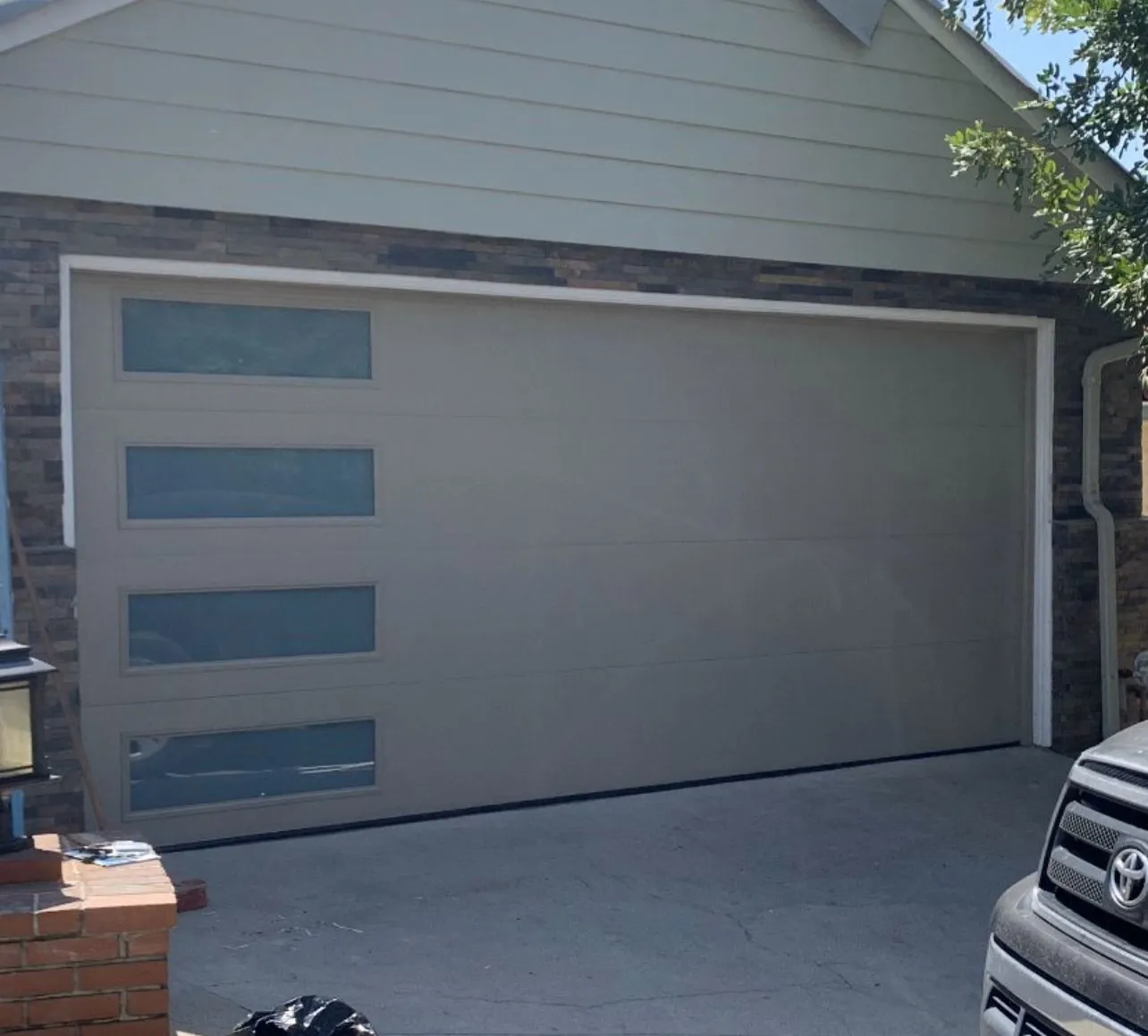
| Impact-rated with decorative overlay | ,400 – ,200 | ,400 – ,800 |
Prices include installation and standard hardware. Permit fees in Duval County run – for door replacement; required when the new door is a different size or higher DP rating than what’s currently permitted for the structure.
Wind Bracing Kits: The Lower-Cost Alternative
If your door structure is sound but the panel steel is thin, wind bracing kits add horizontal struts to existing sections, raising the effective DP rating without full replacement. A professional installation of a bracing kit on a double-car door runs –.
Important limitation: Bracing kits work on sectional steel doors only. They do not address weak track brackets, inadequate hardware, or structural issues with the door frame. A bracing kit is a supplement, not a substitute for a properly rated system. They also typically cannot match the FPA certification of a factory-rated door for permitting purposes.
What to Check Before Hurricane Season
A pre-season inspection takes 20–30 minutes and should cover:
- Find your door’s FPA number — it should be on a sticker on the door track or in your permit records. Look it up on the Florida Building Code Product Approval search to confirm it covers your wind speed zone.
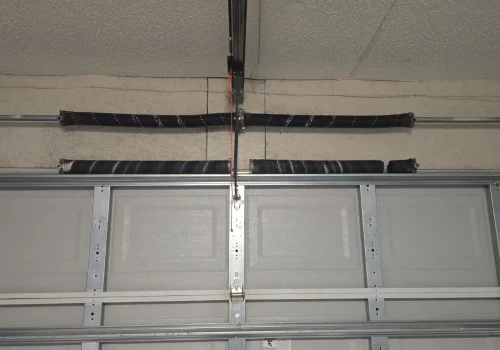
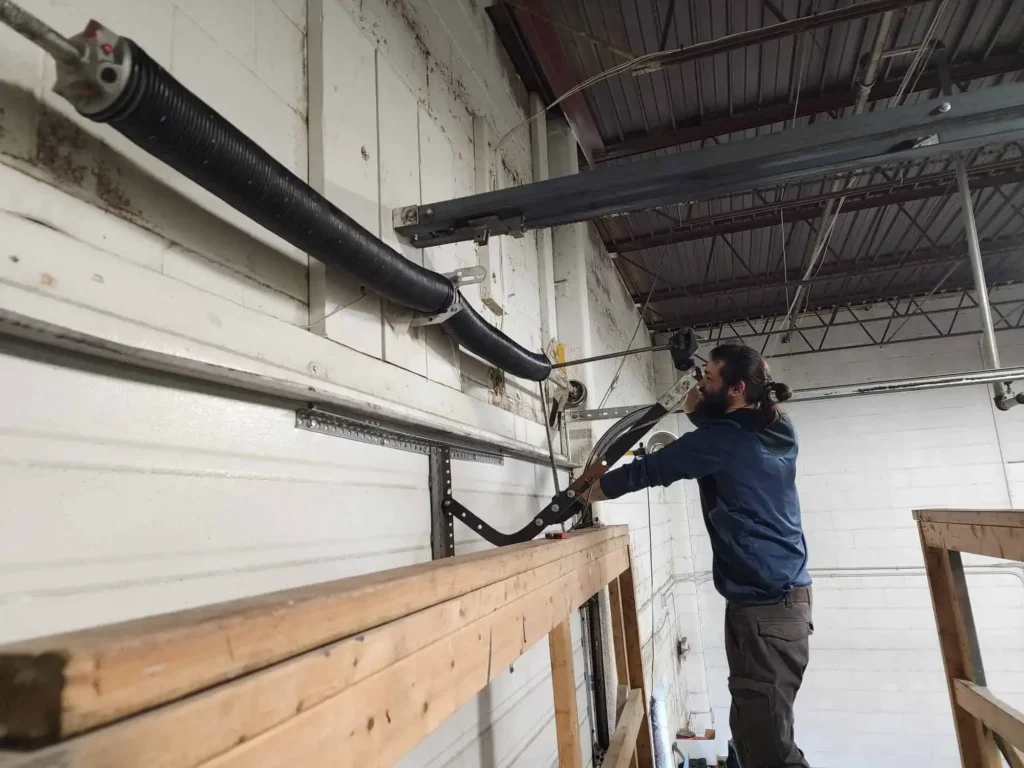
- Check all hardware for corrosion — Jacksonville’s salt air corrodes hinges, springs, and track hardware. Any rust pitting on hinges means they need replacement before storm season.
- Test manual operation — disconnect the opener and operate the door manually. It should open and close smoothly, balanced enough to stay at half-open with no support. If it doesn’t, the springs need service.
- Check the bottom seal — the weatherstripping at the bottom should contact the full width of the floor with no gaps. Gaps let water in during a storm surge or heavy rain.
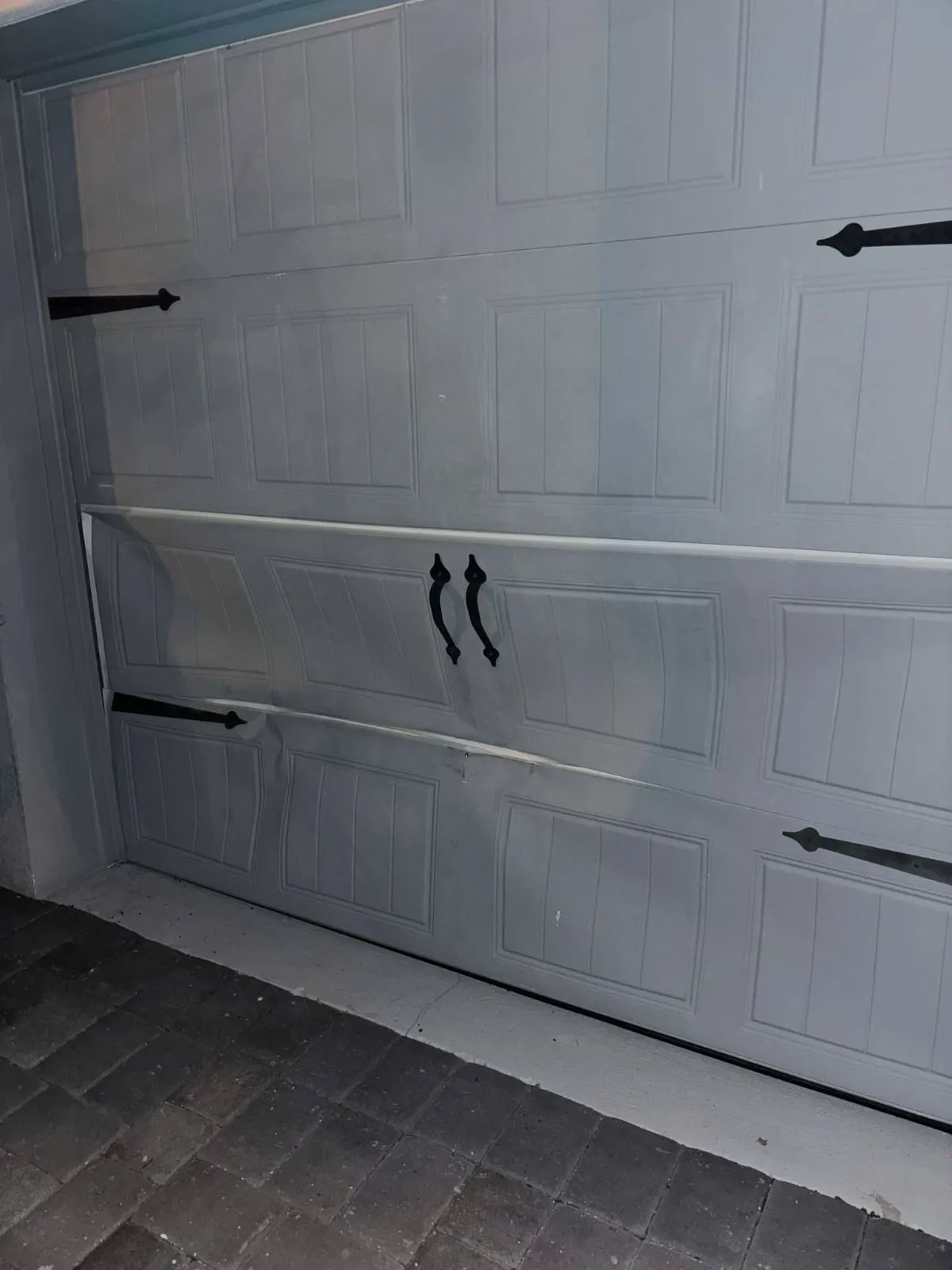
- Inspect the top section and opener tracks — the top section of the door takes the most stress in high wind. Look for any bowing, dents, or crack lines in panel steel.
Frequently Asked Questions
Does homeowners insurance in Florida cover hurricane garage door damage?
Yes — if your door is damaged by a named storm or hurricane-force winds, it’s typically covered under the windstorm portion of your homeowners policy. Document damage with photos before any repairs and file with your insurer before replacing. If you pay out of pocket first, you may still be able to file — keep all invoices. Check your policy for your hurricane deductible, which in Florida is often 2–5% of dwelling value rather than a flat dollar amount.
Do I need a permit to replace my garage door in Jacksonville?
Yes, in most cases. Duval County requires a permit for garage door replacements that involve a change in size or a higher DP-rated door than what was originally installed. Like-for-like replacement of the same size door may not require a permit, but it’s worth confirming with your contractor. Work without required permits can cause problems when you sell the home.
How long does hurricane garage door installation take?
A standard single or double-car replacement takes 3–5 hours on the day of installation. Lead time for ordering a specific hurricane-rated door runs 1–3 weeks depending on the model and manufacturer. If you’re planning ahead of storm season, order by early May.
Can I reinforce my existing garage door instead of replacing it?
Sometimes. Wind bracing kits can raise a lightly-rated door’s effective performance and are worth considering if the door frame and hardware are in good condition. Full replacement is recommended if the door is older than 15 years, if the steel is visibly thin, if the existing hardware is corroded, or if you need a specific FPA-certified rating for insurance or permit purposes.
What brands make hurricane-rated garage doors available in Jacksonville?
Clopay, Wayne Dalton, Amarr, and Overhead Door all manufacture Florida Product Approval-certified hurricane doors available through Jacksonville contractors. The brand matters less than the specific door model’s FPA number and DP rating for your wind zone.
Hurricane Garage Door Replacement and Inspection in Jacksonville
Lavish Garage Doors serves Jacksonville, Arlington, Mandarin, San Jose, Yulee, and the Beaches. We install Florida Product Approval-certified hurricane-rated doors and can inspect your current door’s rating and hardware condition before storm season.
Contact us to schedule a pre-season inspection or get a quote on hurricane door replacement.