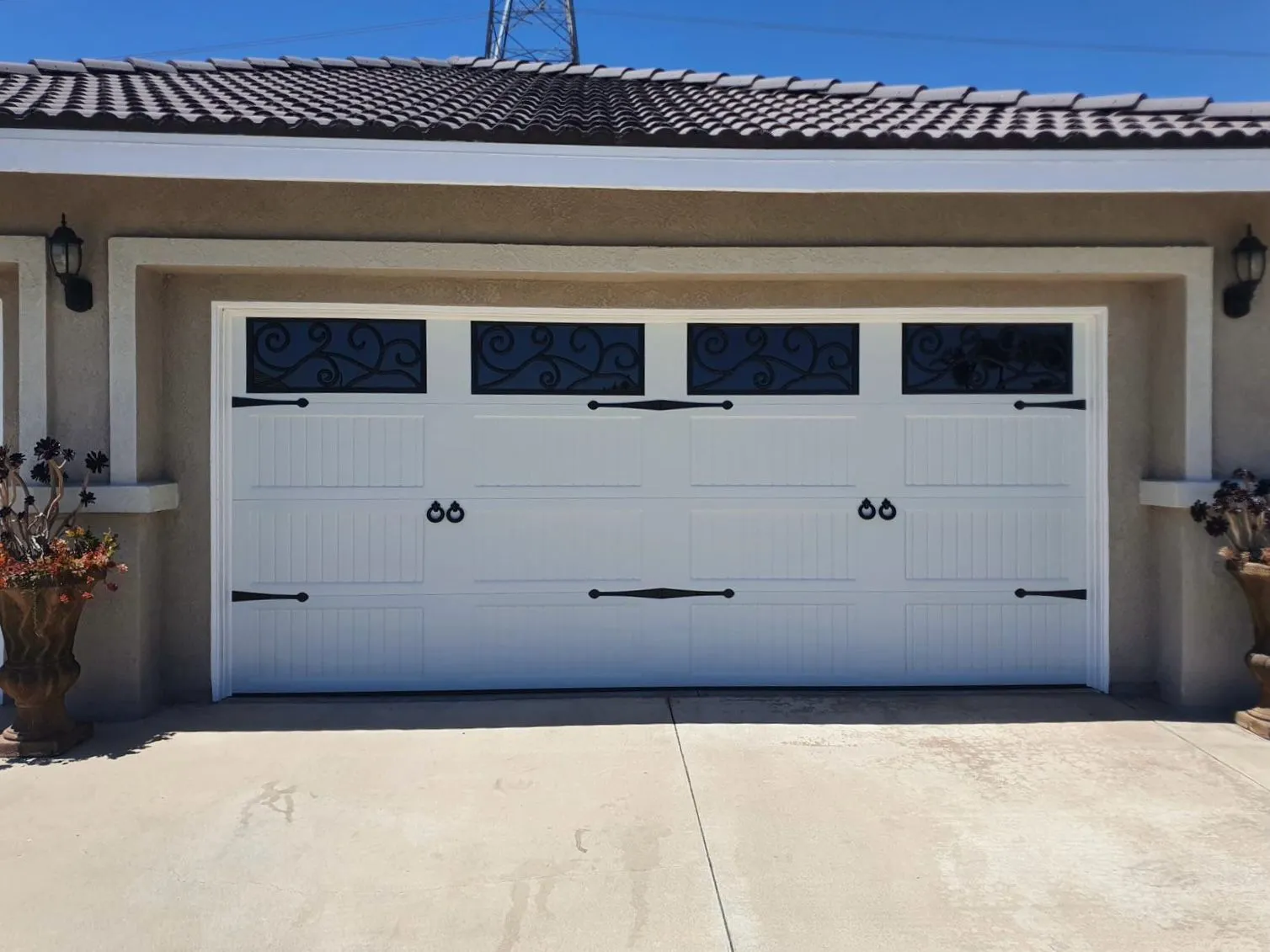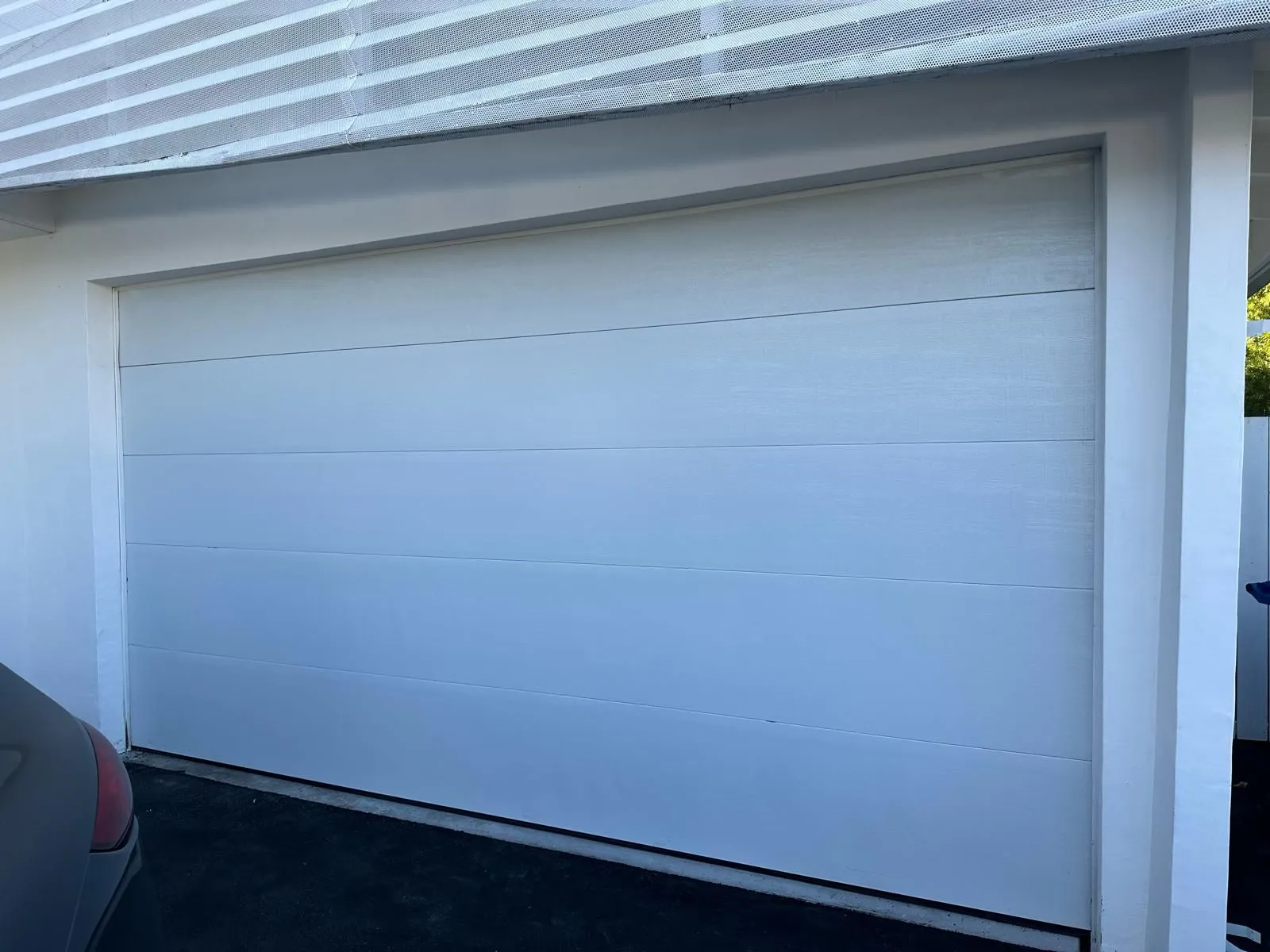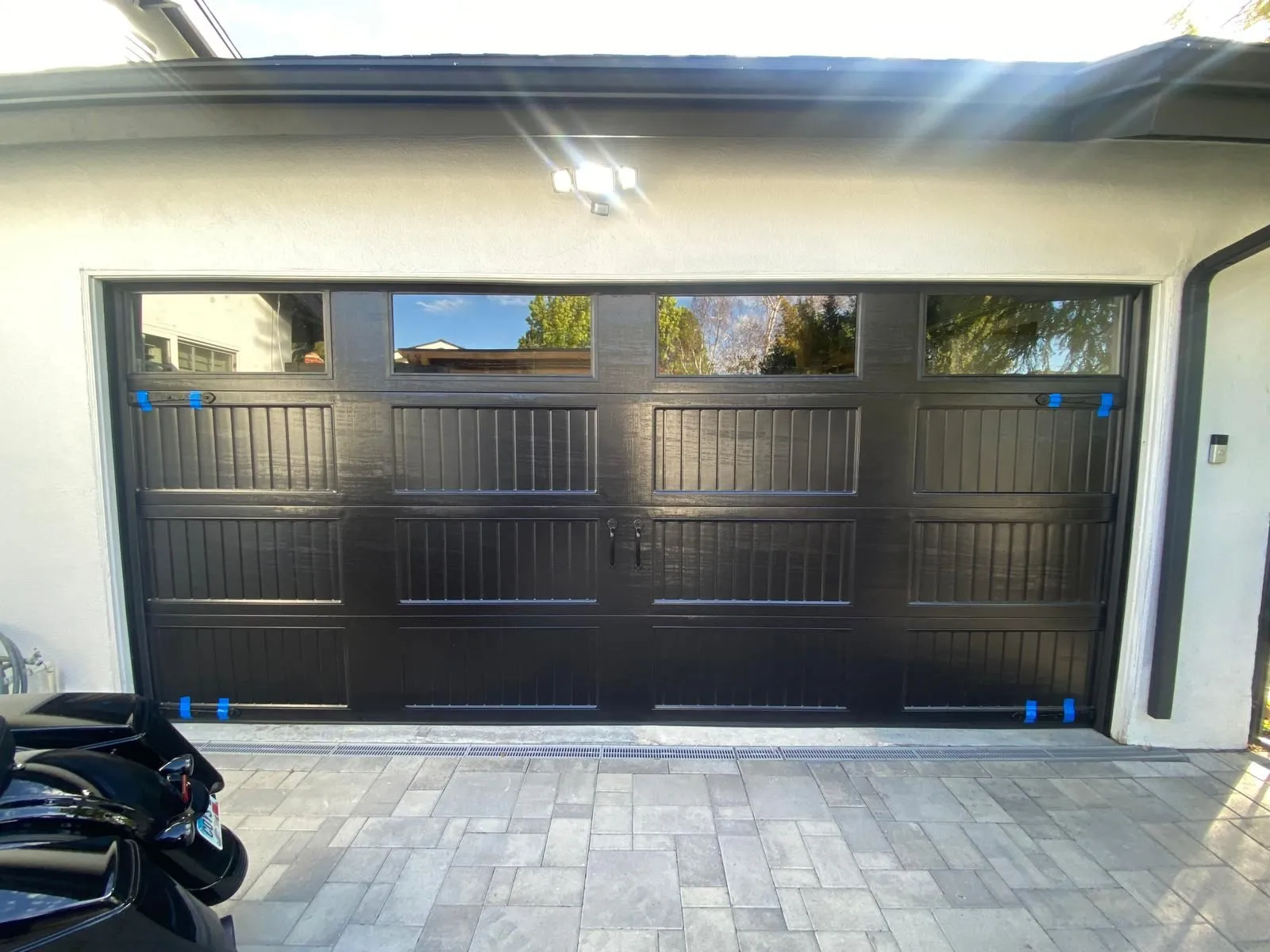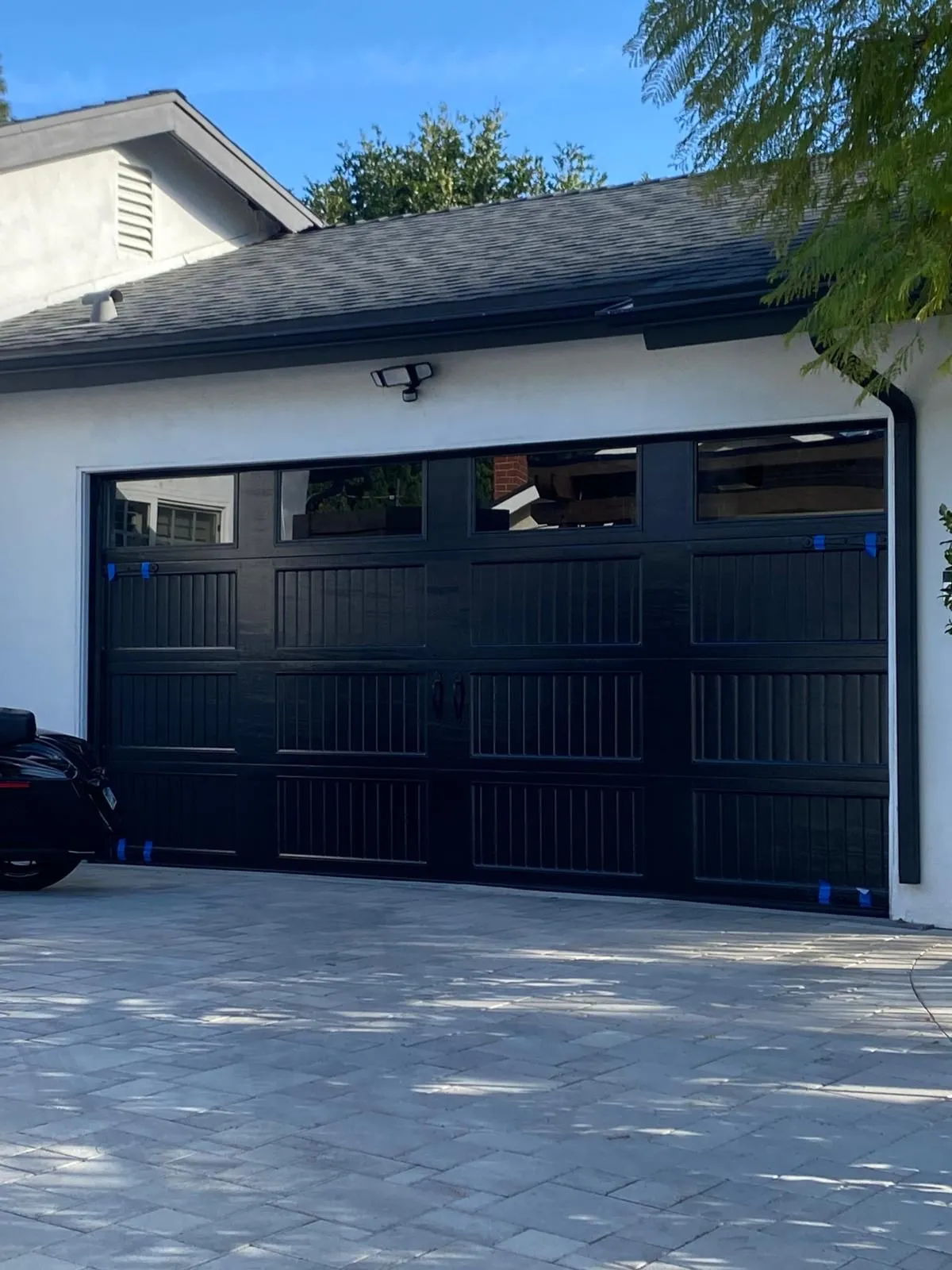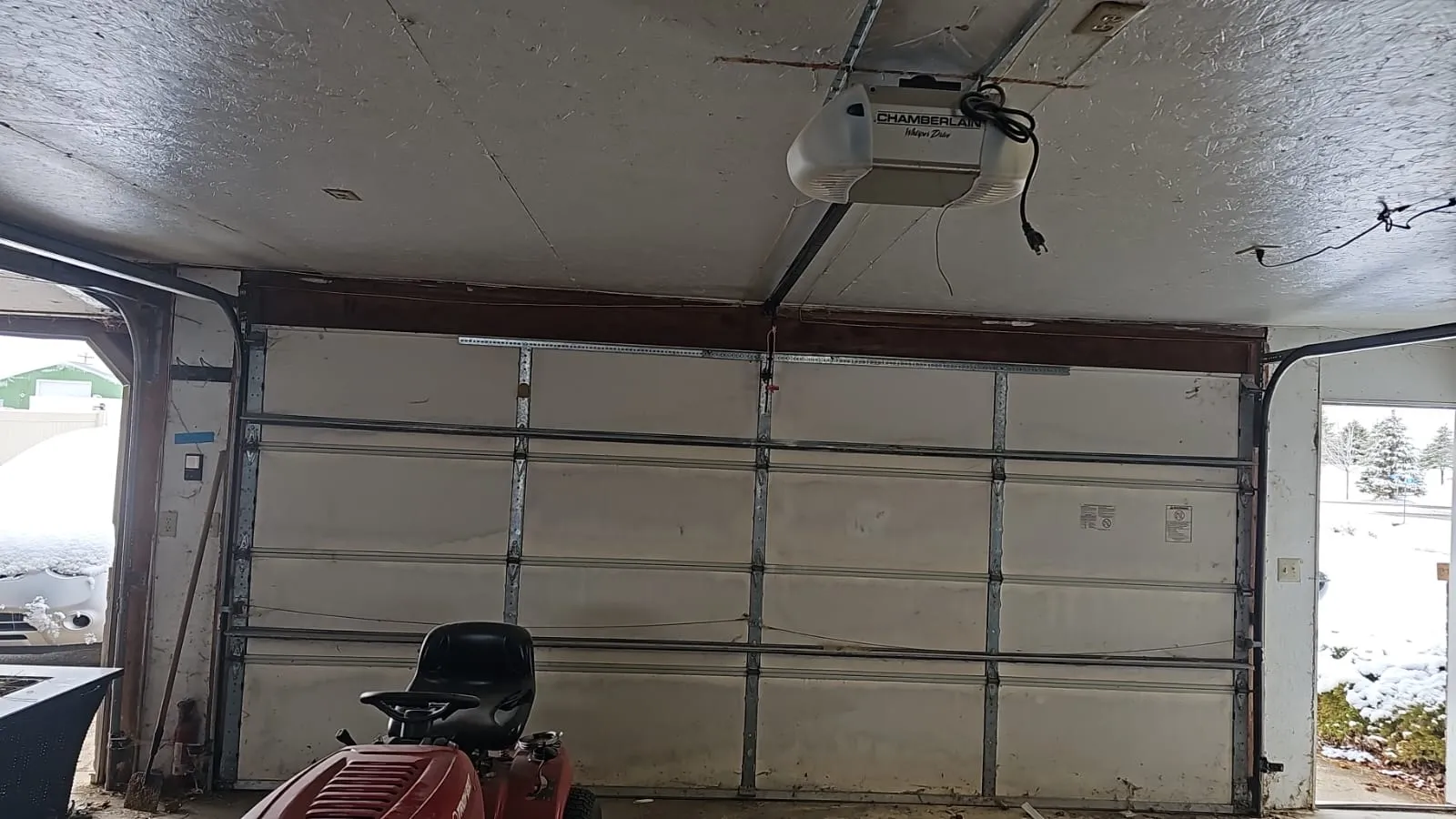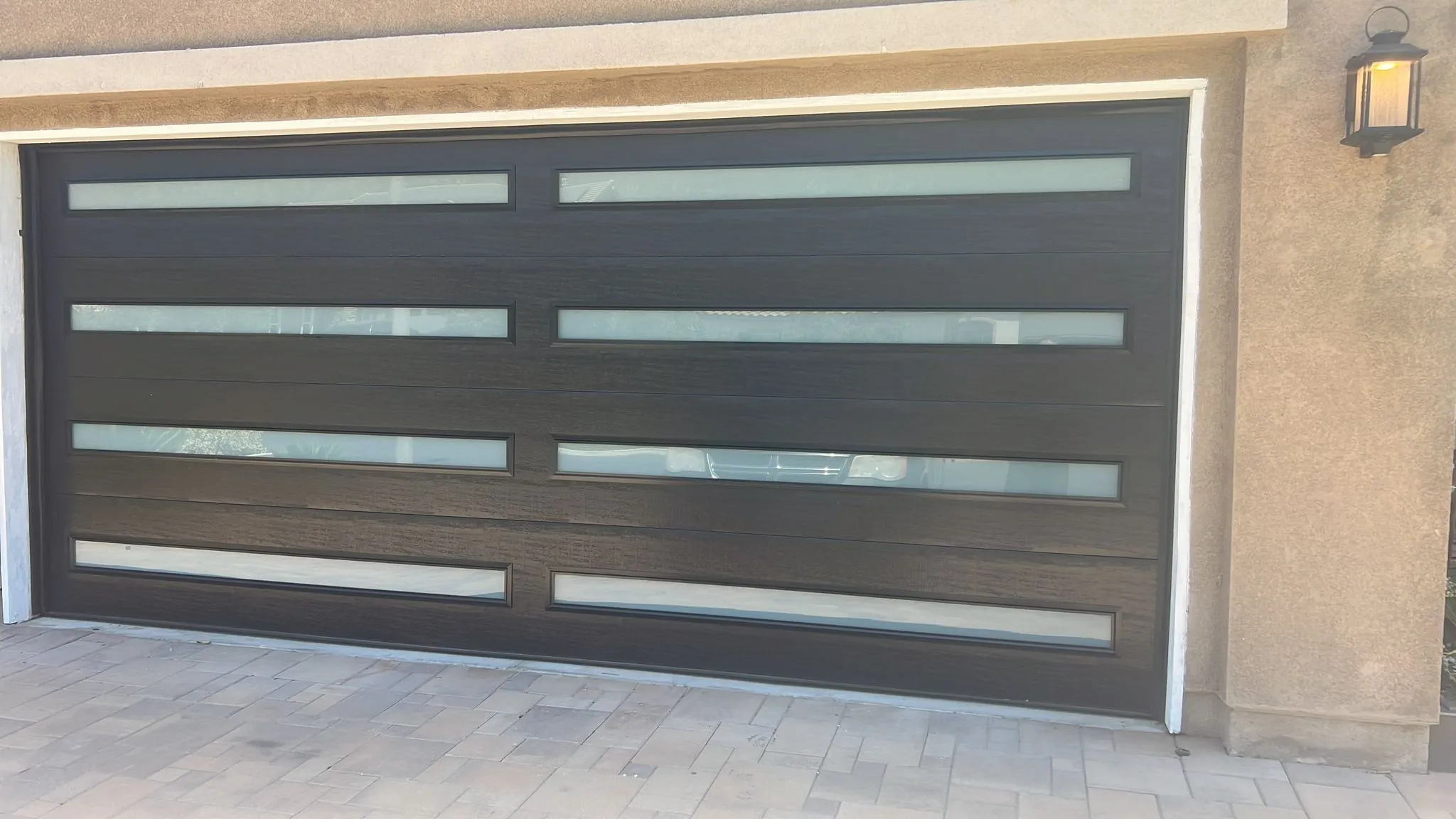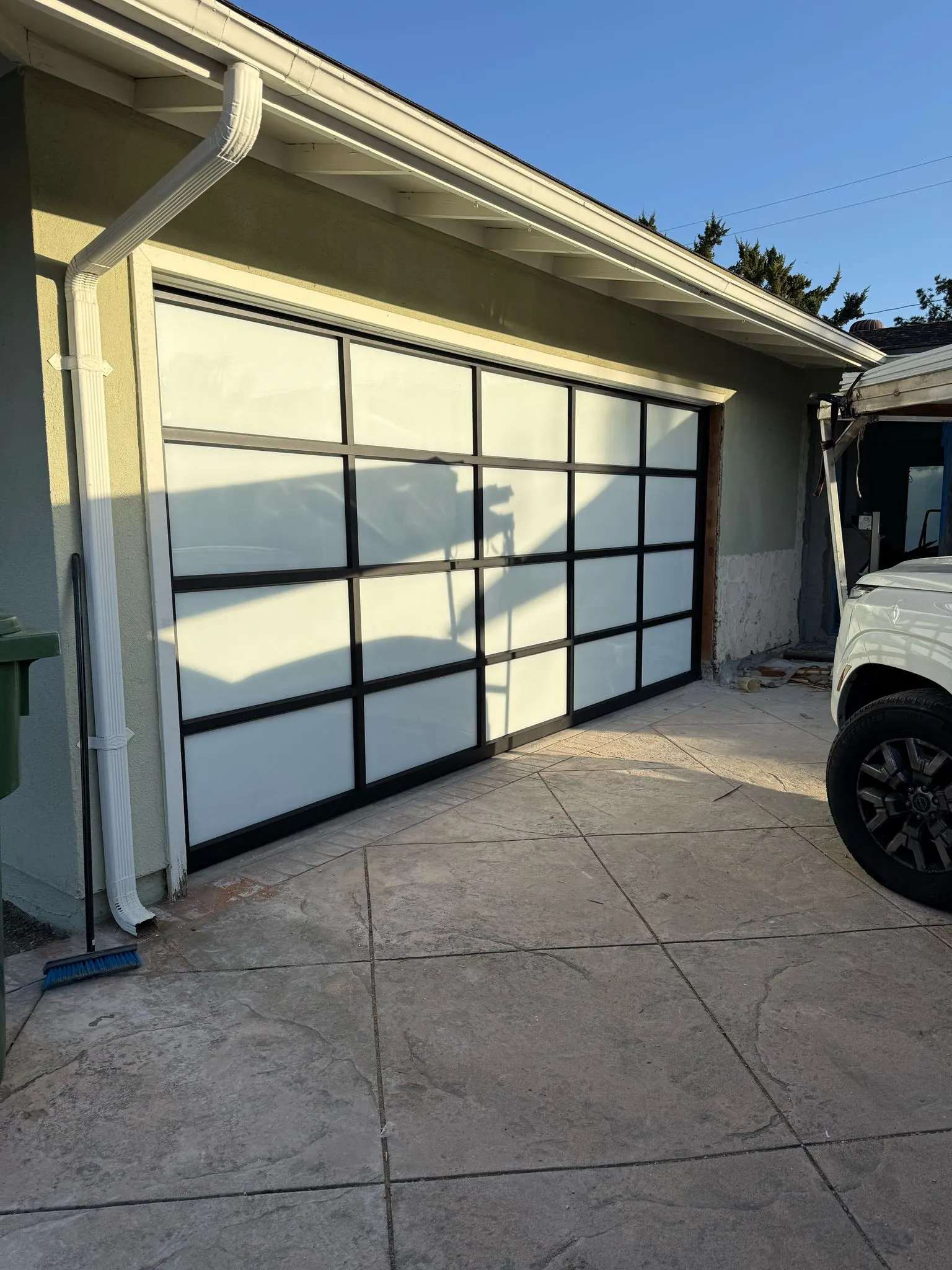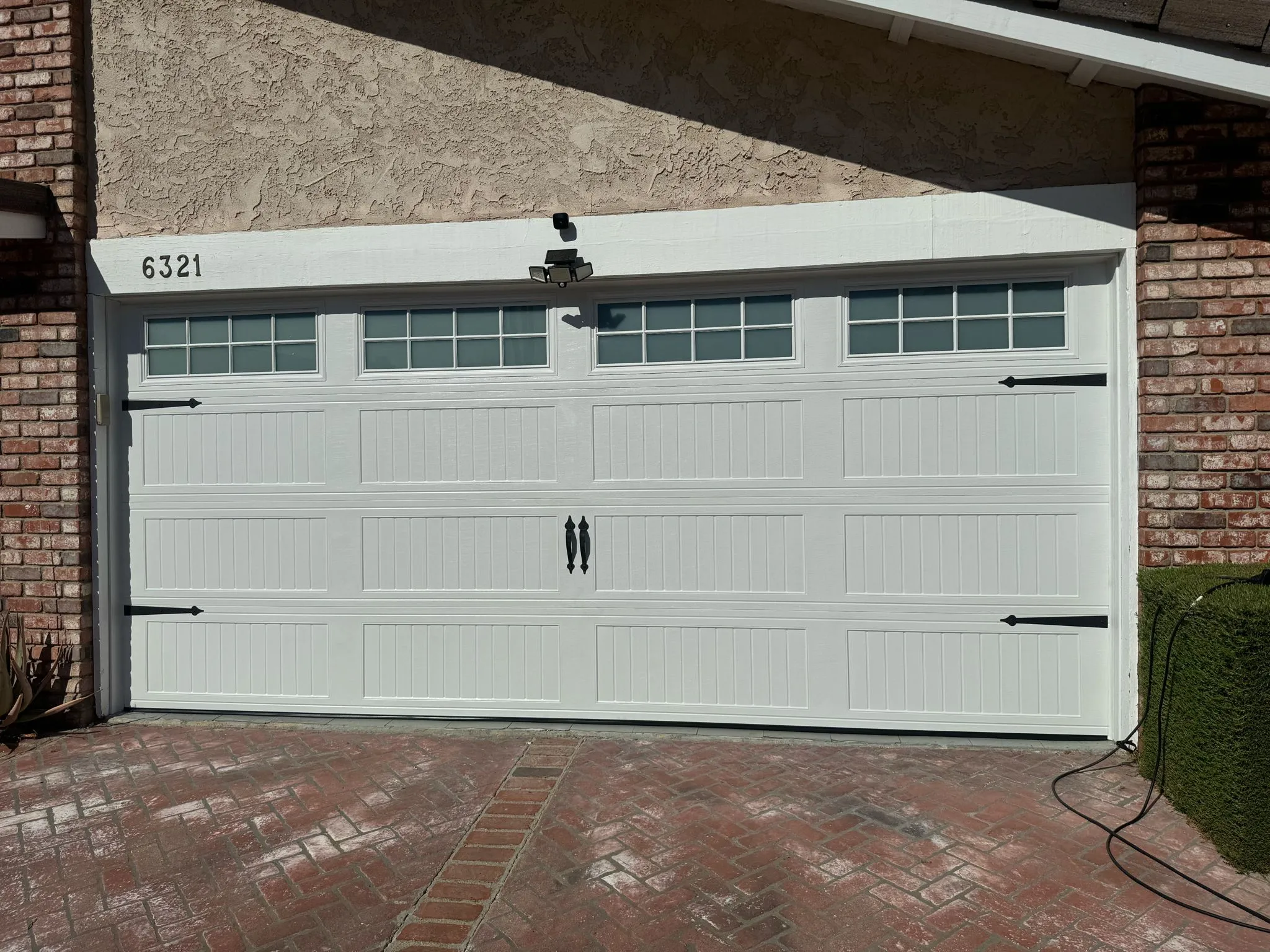
Hurricane Garage Doors in Jacksonville, FL
Protect your home before storm season. We install wind-rated, impact-resistant garage doors that meet Florida’s building code throughout Jacksonville and coastal communities.
Florida Code Compliant
Wind-Rated Doors
Coastal Area Experience
Licensed & Insured
Free Estimates
In Jacksonville and the surrounding coastal communities, your garage door is the largest and most vulnerable opening in your home during a hurricane. Standard doors are not designed to withstand the wind pressures and flying debris of a major storm — and a failed garage door can lead to catastrophic structural damage or complete roof failure. Lavish Garage Door Services installs hurricane-rated doors that meet Florida’s current building code requirements, protecting your home when it matters most.
Why Your Garage Door Is Your Home’s #1 Hurricane Vulnerability
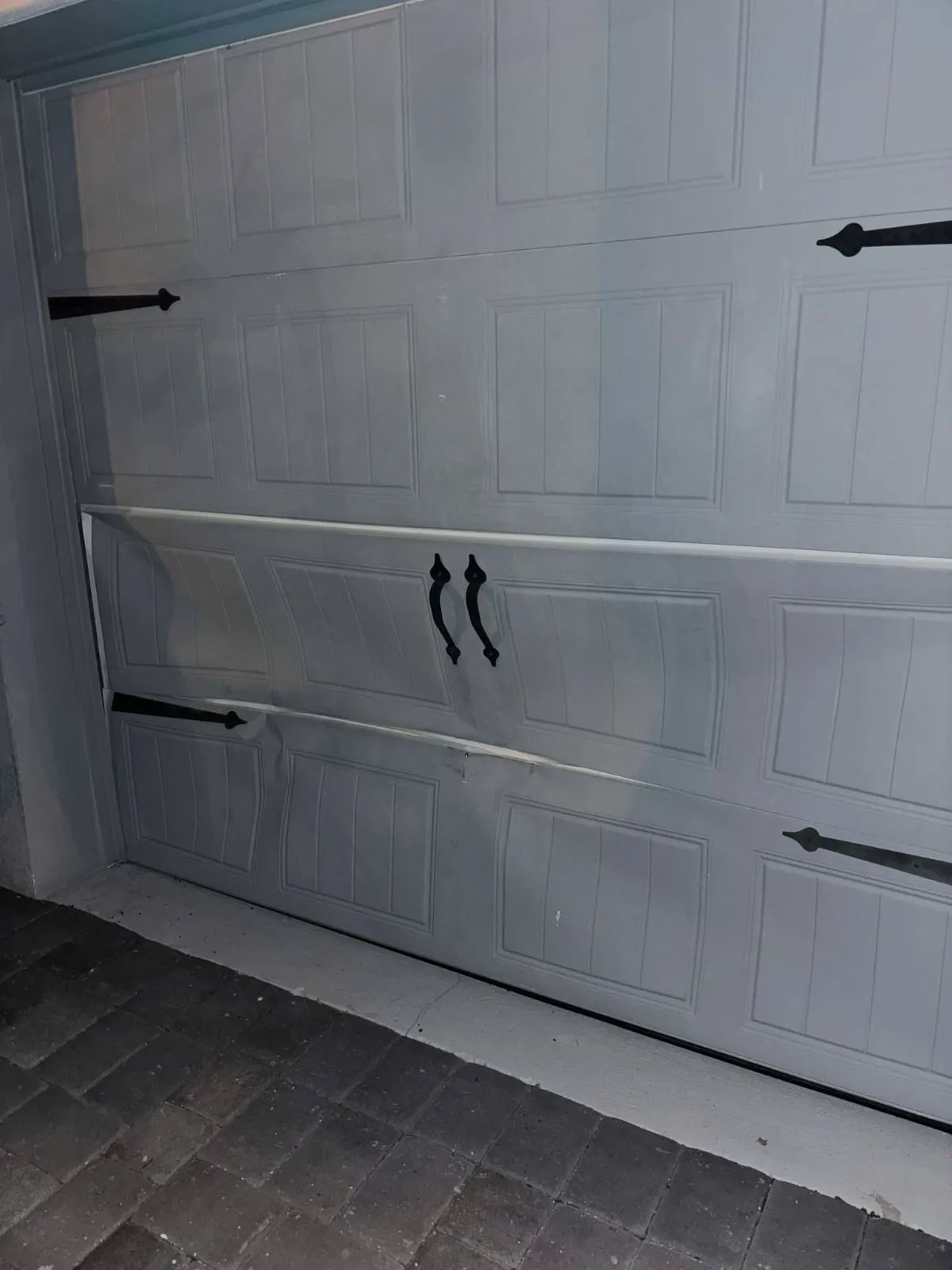
During a hurricane, the garage door is the largest and most vulnerable opening on your home. When it fails, the consequences can be catastrophic.
- Garage doors cover up to 200 sq ft of wall space — more than any other single opening on your home
- A failed door lets wind pressure enter the structure, risking catastrophic roof failure
- Florida’s wind speed design requirements vary by zone — coastal areas carry the strictest requirements
- Most standard doors installed more than 10–15 years ago do not meet current Florida building code
- Some homeowner insurance policies require hurricane-rated doors in certain wind zones
Hurricane Garage Door Features
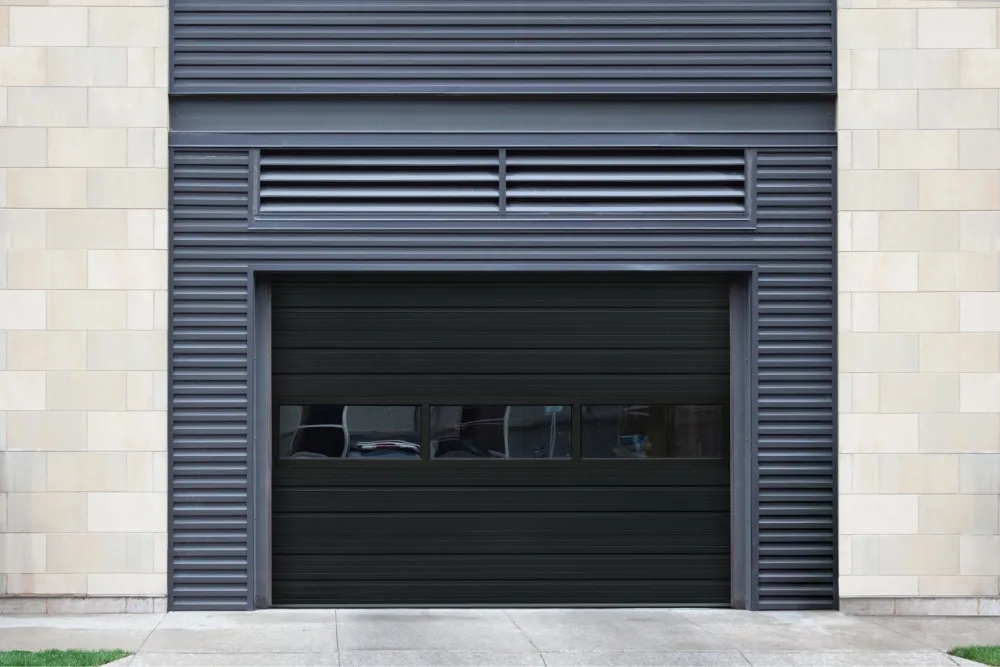
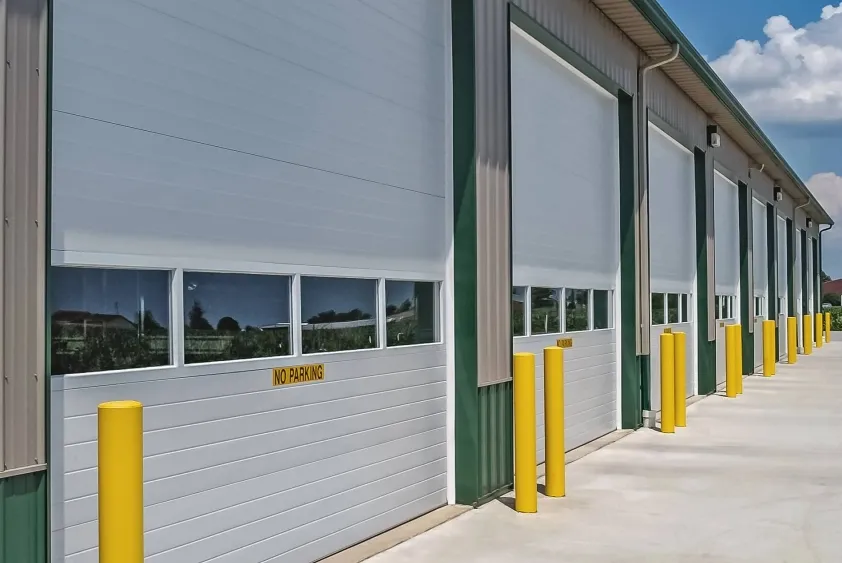
Our hurricane-rated doors are engineered specifically for Florida’s climate and storm requirements — not just standard doors with a label.
- Wind load rating to meet or exceed local Florida building code requirements for your specific zone
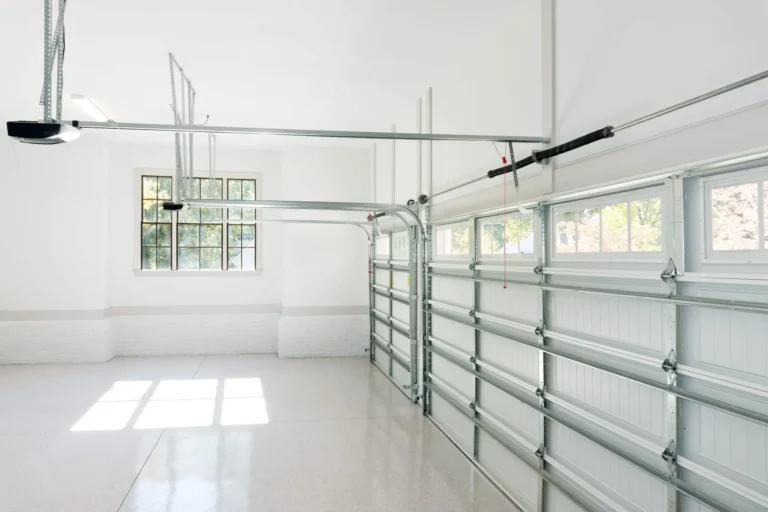
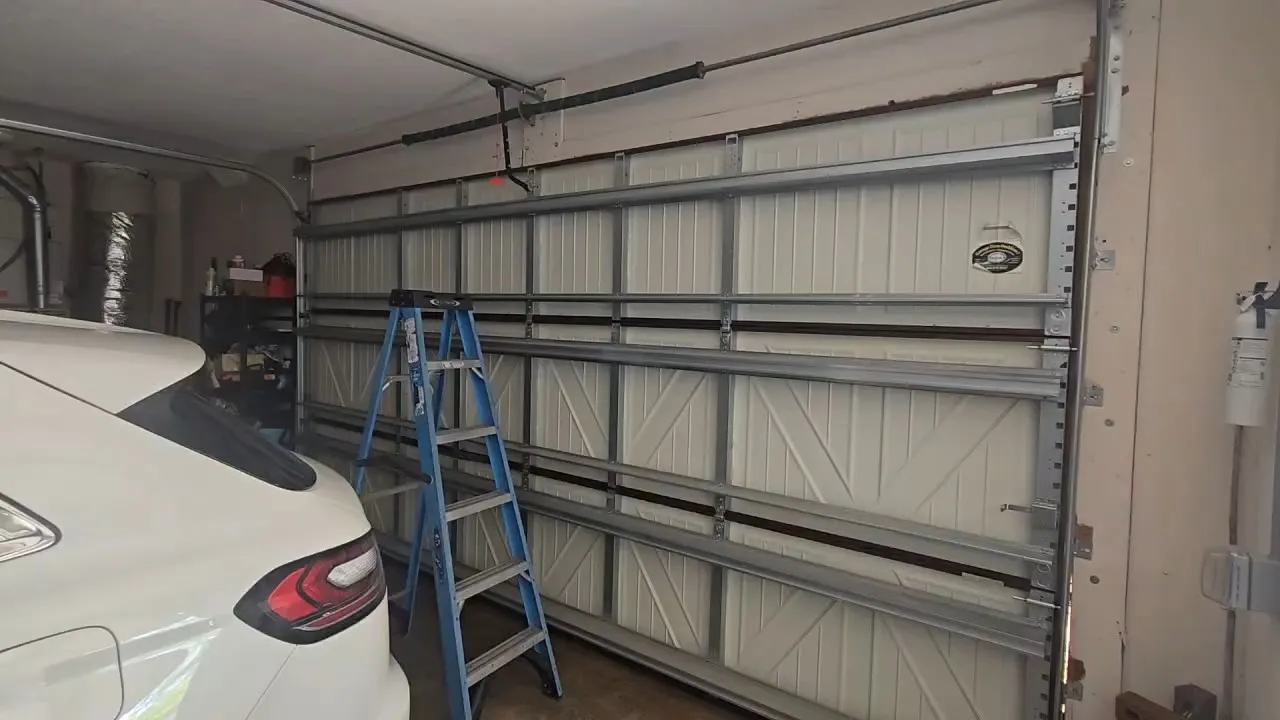
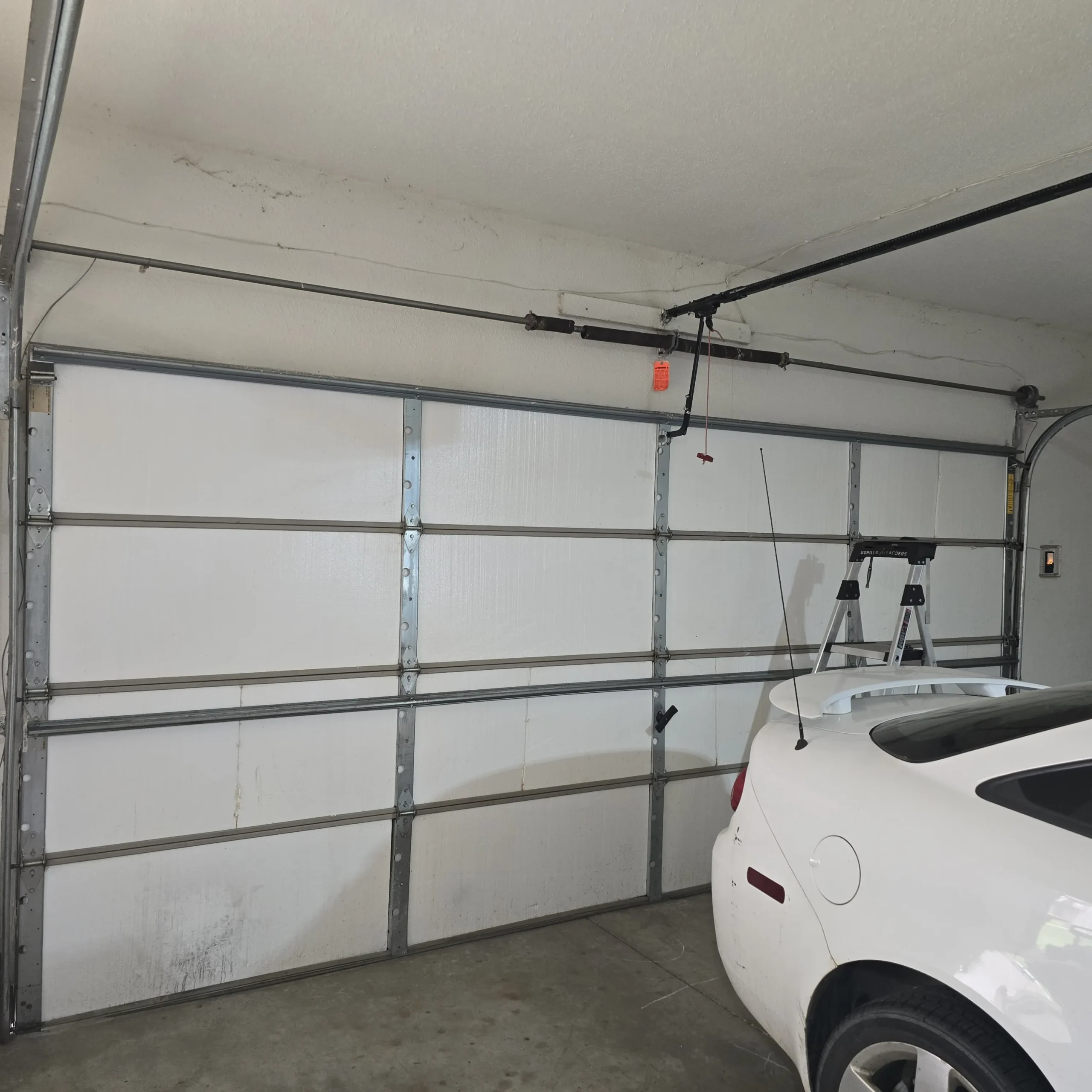
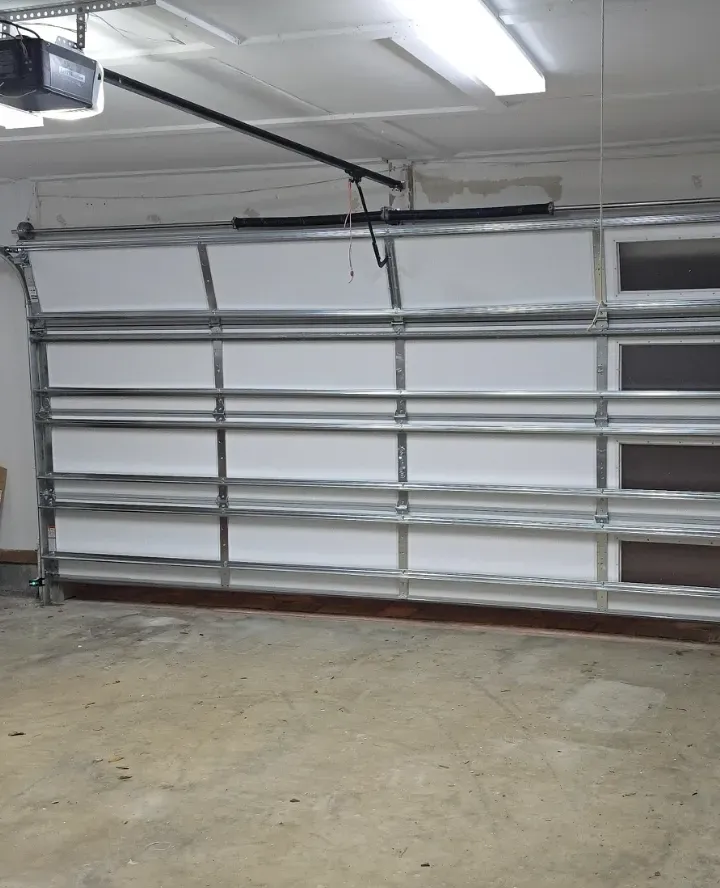
- Reinforced horizontal and vertical stiffeners for structural integrity under high wind pressure
- Heavy-gauge steel construction — thicker than standard residential garage doors
- Impact-rated glazing on any doors with windows included in the design
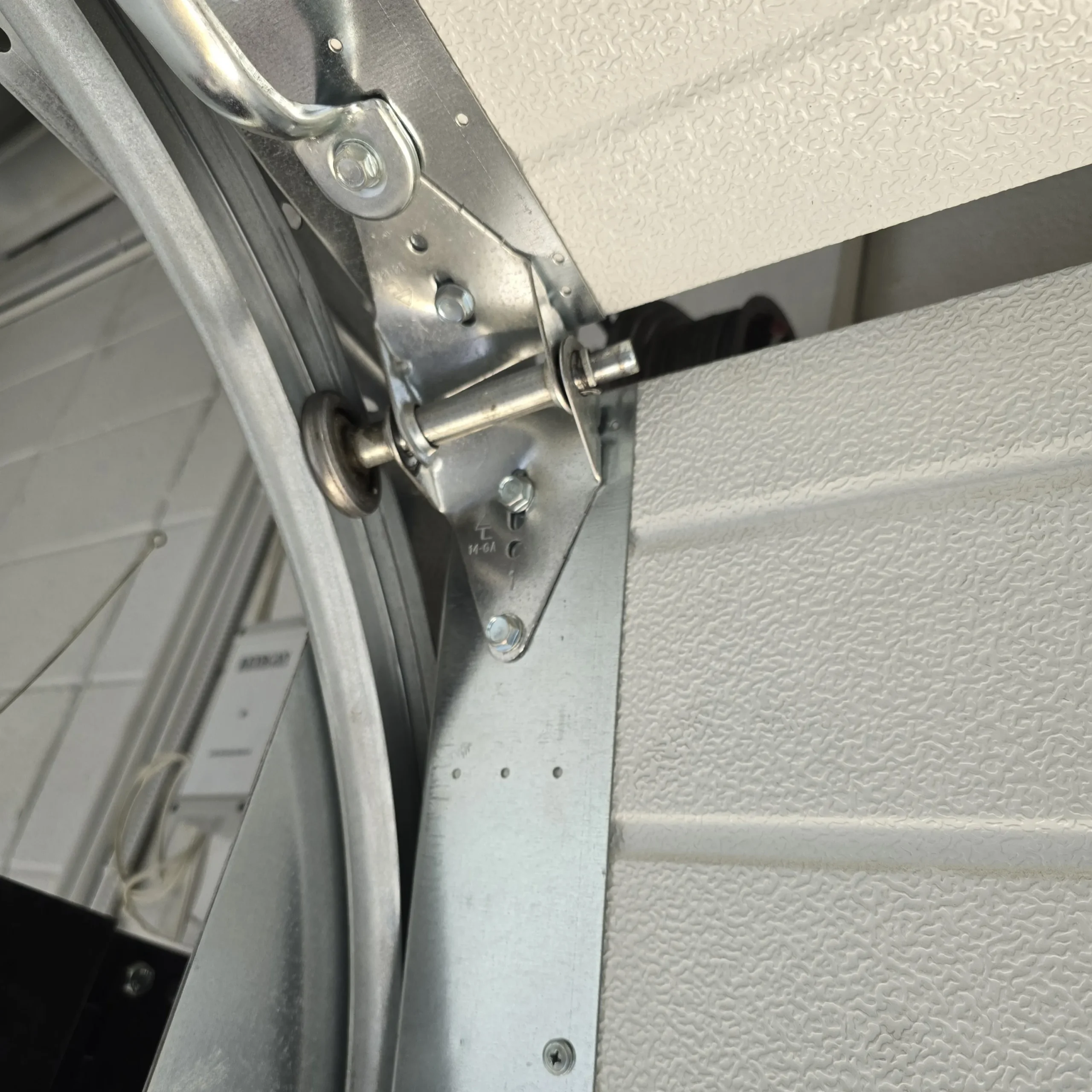
- Code-compliant anchoring and hardware installed per Florida building code
- Available insulated and non-insulated in multiple styles to match your home
Hurricane Preparation Checklist for Jacksonville Homeowners
Even if you already have a hurricane-rated door, check these five items before each storm season to make sure your protection is still reliable.
Test Full Travel
Door must complete full travel without hesitation, grinding, or stopping — any issue needs repair before storm season
Inspect Components
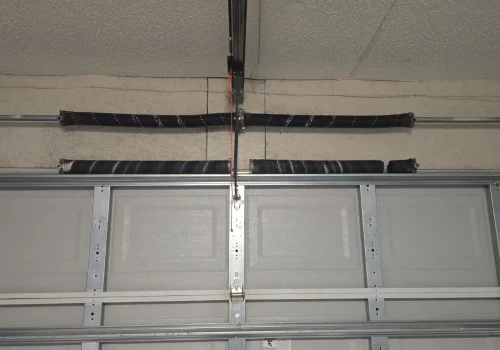
Springs, cables, and rollers checked — worn components can fail under storm stress and elevated wind pressure
Verify Wind Rating
Confirm your door’s wind rating meets your property’s specific wind zone designation for Duval or St. Johns County
Test Emergency Disconnect
Manual operation and emergency disconnect tested — critical if power is lost during a storm
Check Seals & Weatherstrip
Door seals and weatherstripping inspected — replaced if cracked, gapping, or allowing water infiltration
Frequently Asked Questions
Does my Jacksonville home require a hurricane-rated garage door?
It depends on your property’s location and wind zone designation. Homes in coastal areas and some inland zones of Duval, St. Johns, and Nassau counties are subject to specific wind load requirements. We’ll assess your property and advise you.
What wind speed rating do I need for a Jacksonville garage door?
Requirements vary by location. Most Jacksonville properties fall in the 130–150 mph design wind speed range. Coastal and beach communities may require higher ratings. We install doors to meet your specific local requirement.
Can I retrofit my existing door to be hurricane-rated?
In some cases, a bracing kit can be added to an existing door for limited improvement. However, for full code compliance and reliable storm protection, a hurricane-rated door replacement is the recommended solution.
How much does a hurricane garage door cost in Jacksonville?
Hurricane-rated doors cost depends on size and rating. While more expensive than standard doors, they can reduce insurance premiums and provide critical structural protection during a storm.