Your garage door is the largest opening in your home — and in most Jacksonville houses, it’s the weakest structural point in a hurricane. A failed garage door can allow wind to pressurize the interior, blow off the roof, or cause catastrophic structural damage. The good news: a 30-minute pre-season inspection and a few simple steps before a storm can dramatically reduce your risk.
Here’s the complete pre-hurricane checklist for Jacksonville homeowners, built around what actually fails during Florida storms.
Before Hurricane Season (Now — May Through Early June)
1. Inspect the Hardware
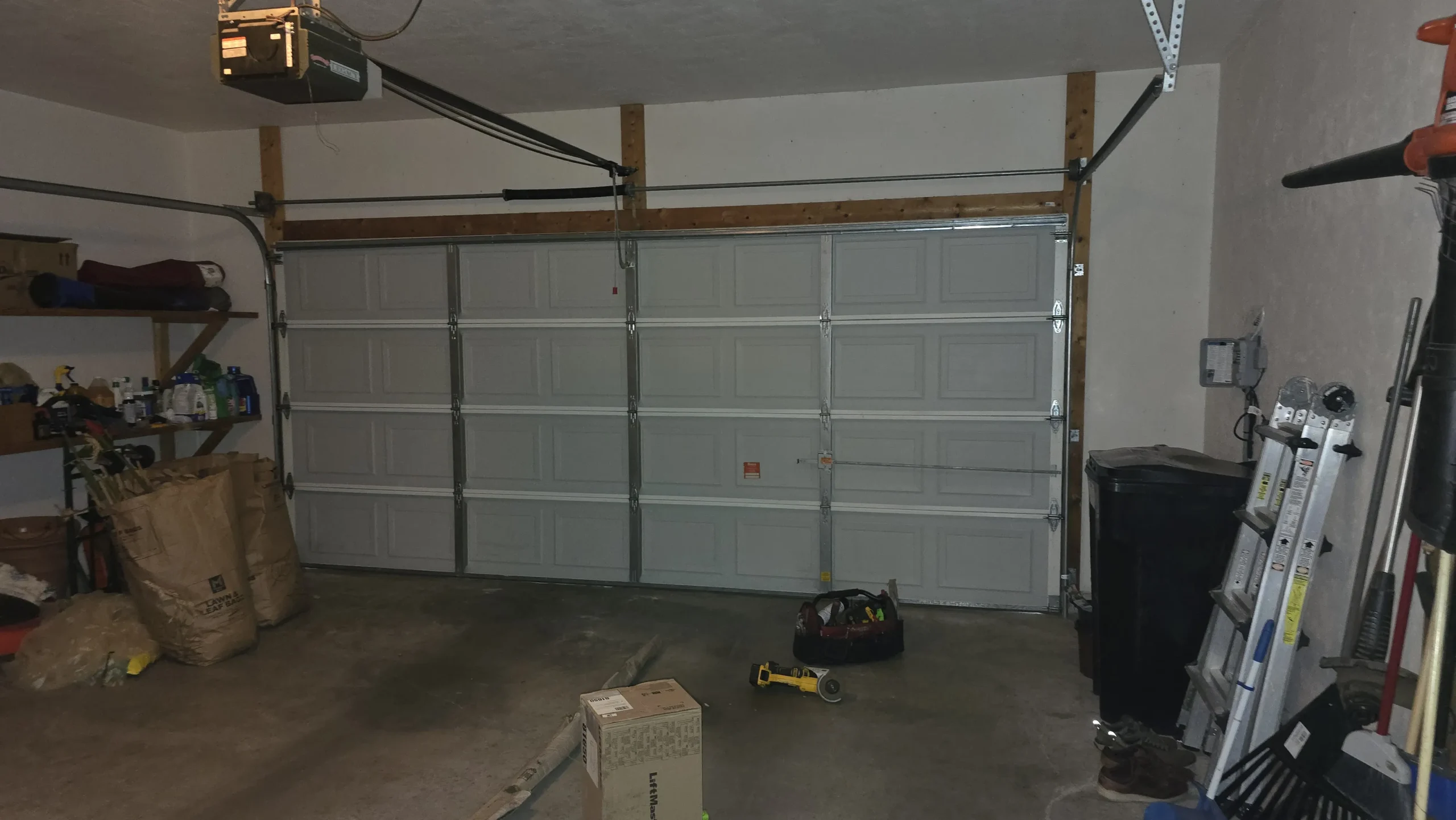
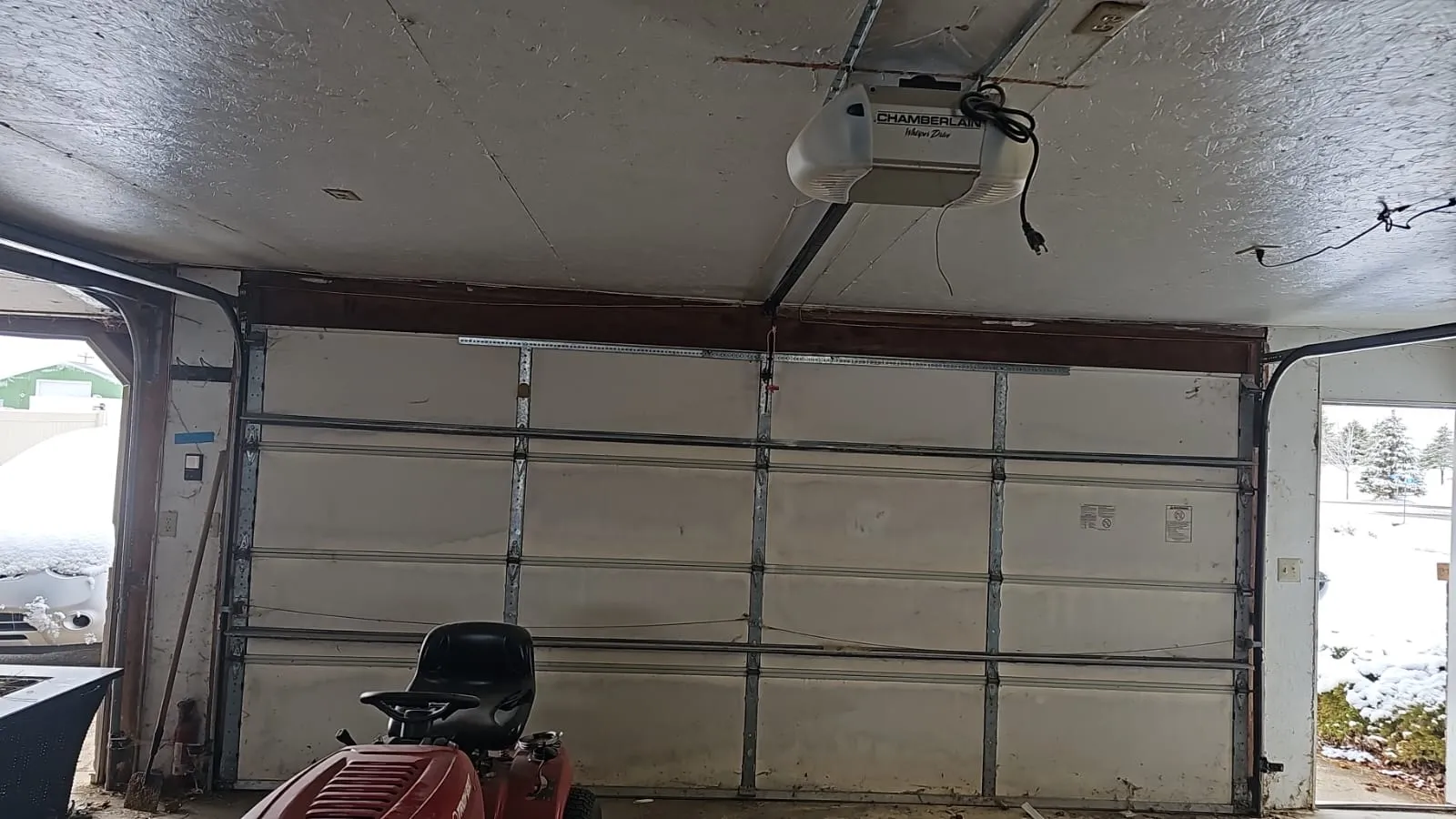
Walk the full length of your garage door and check every piece of hardware:
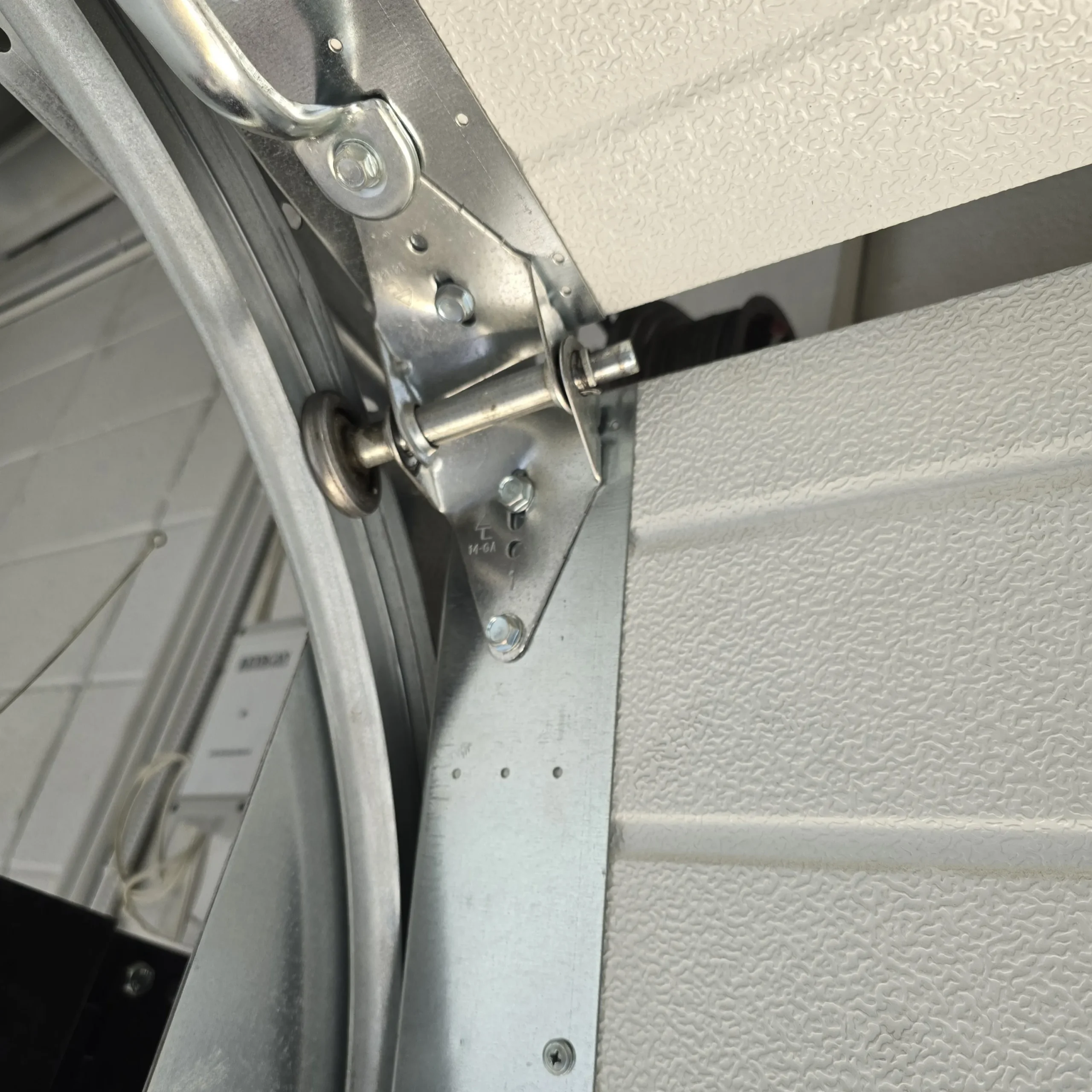
- Hinges: Look for cracked hinges, missing bolts, or hinges that feel loose when you press on them. A damaged hinge will tear away under lateral wind pressure.
- Rollers: Worn or chipped nylon rollers cause the door to bind — a door that doesn’t run smoothly may not close fully or seat evenly in the frame.
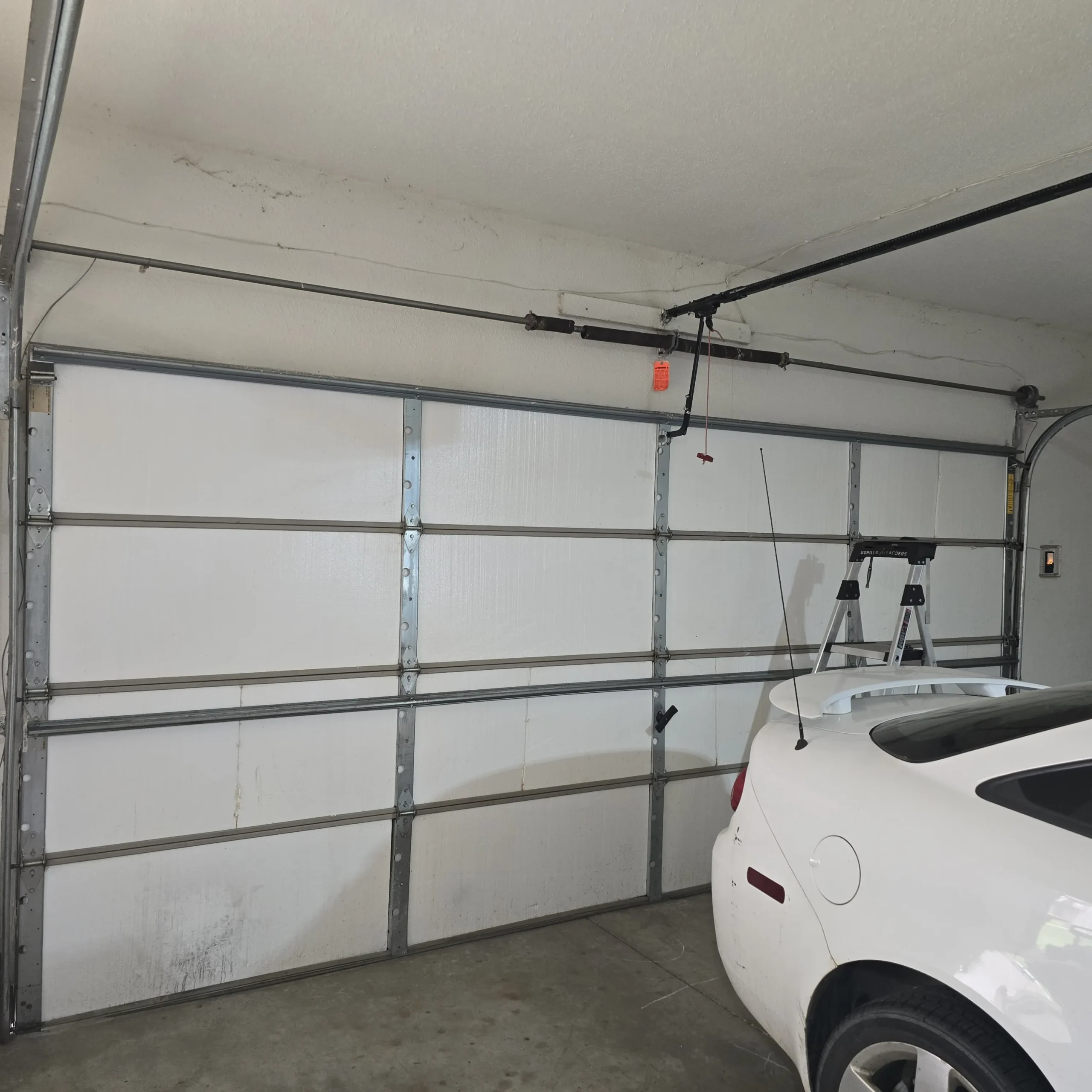
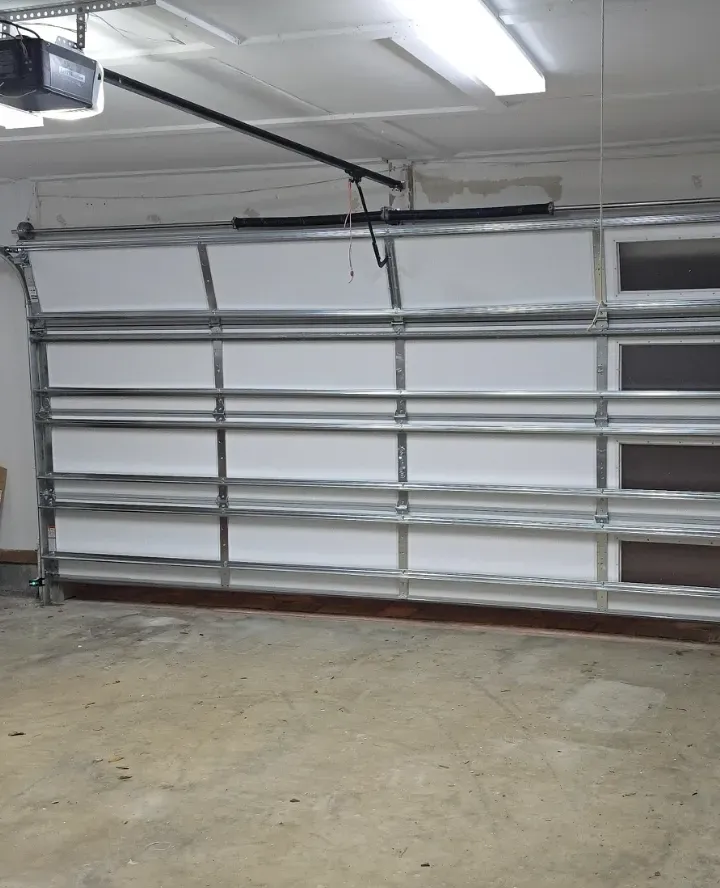
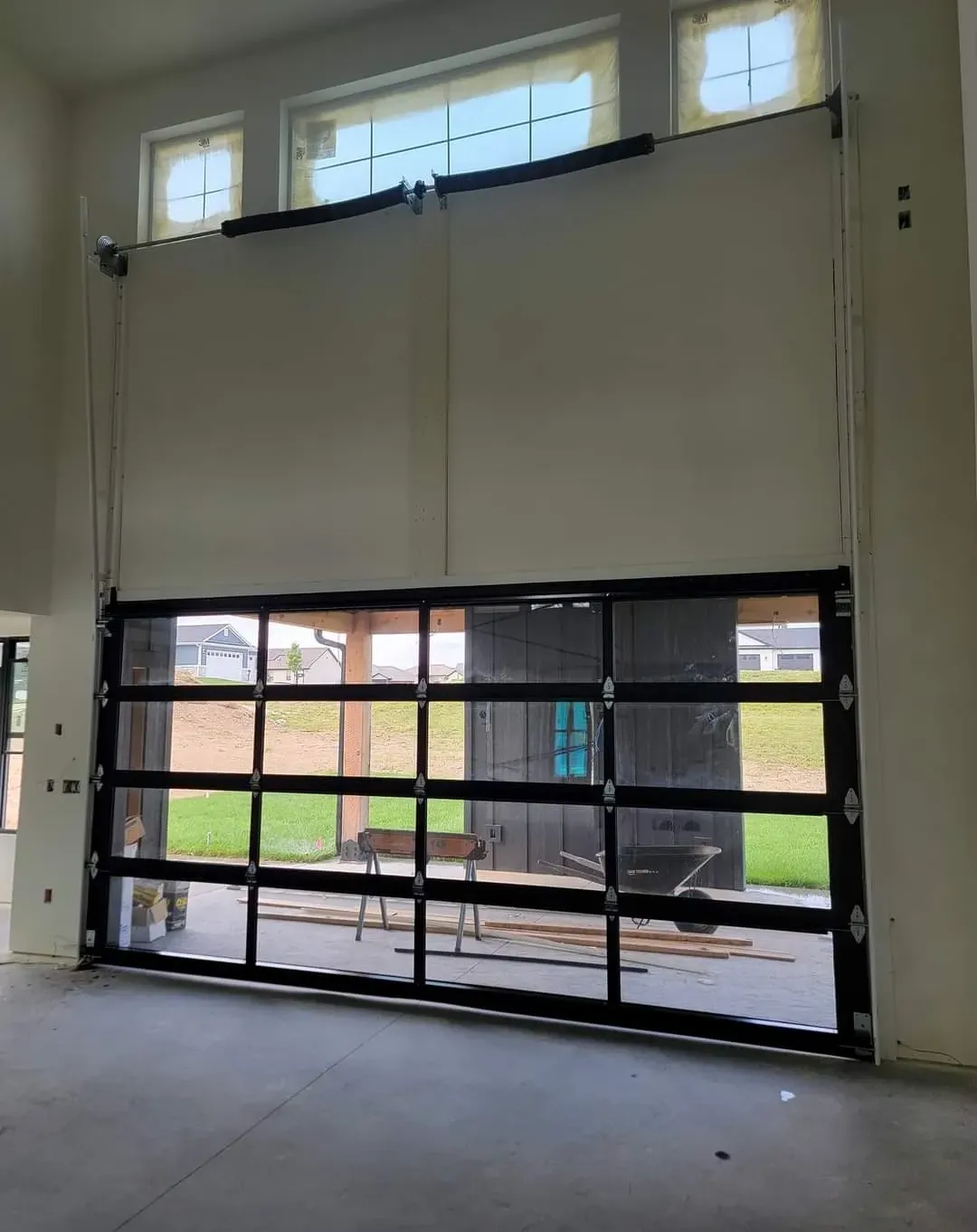
- Cables: Check for fraying, kinking, or uneven tension. Cables carry the full weight of the door; frayed cables snap under wind-load stress.
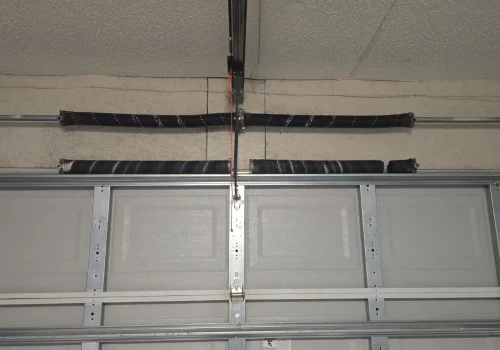
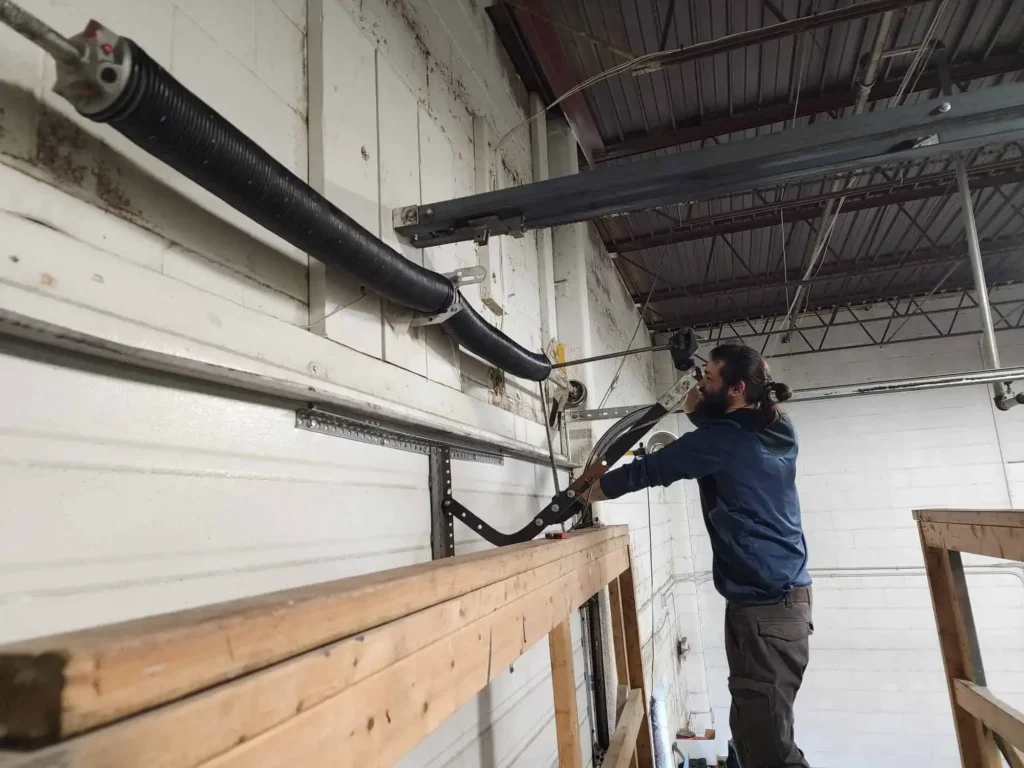
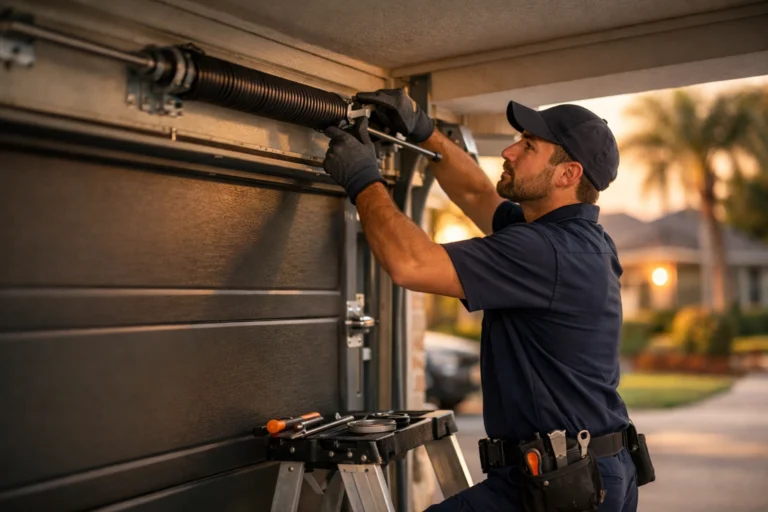
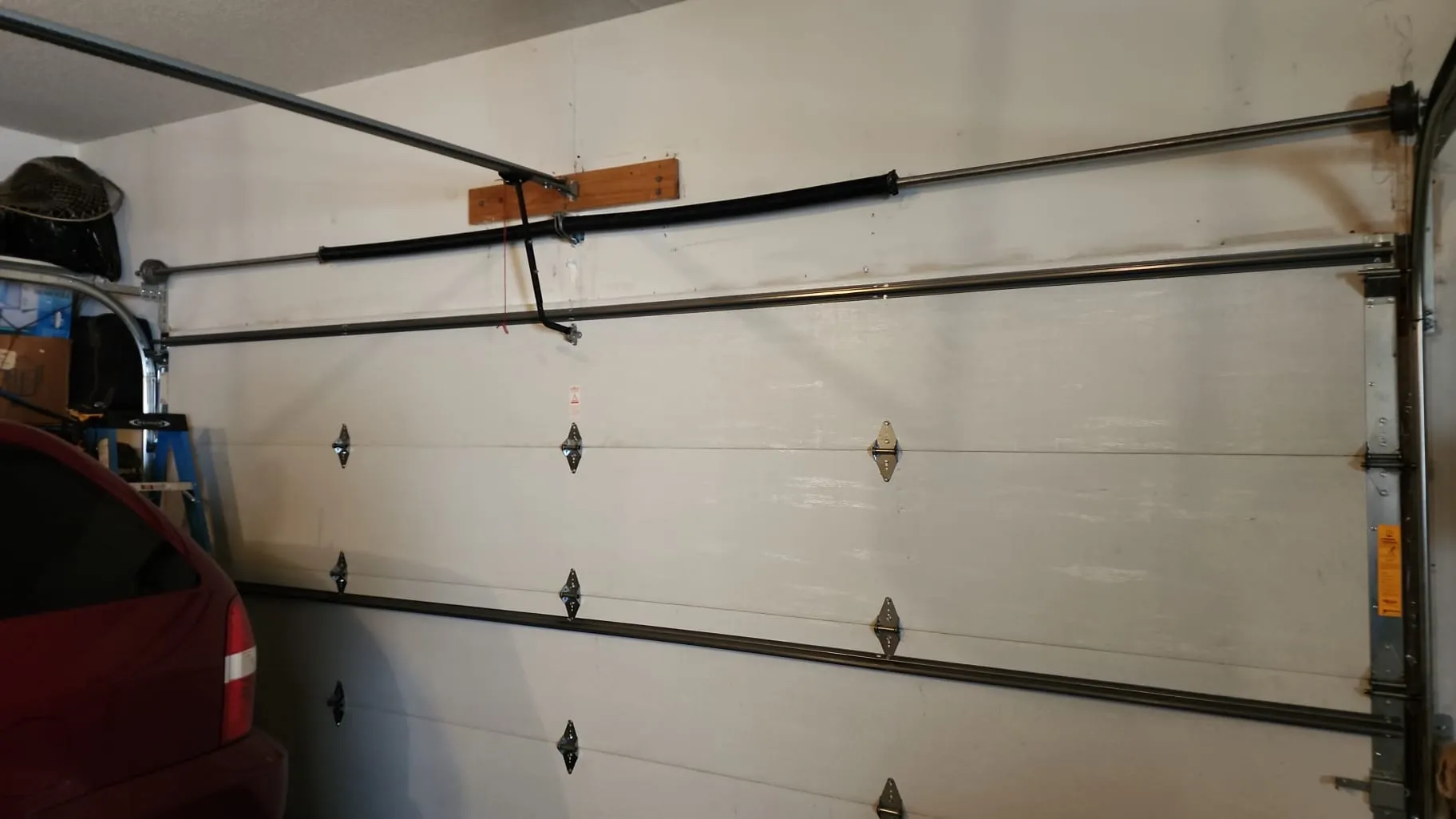
- Springs: Look for gaps in the torsion spring coil (a broken spring looks visibly separated). Do not attempt to adjust or replace springs yourself — torsion springs are under extreme tension and are responsible for more serious garage door injuries than any other component.
- Bottom seal: The rubber seal at the base of the door should make full contact with the floor across the entire width. A torn or compressed seal lets wind and water in at the threshold.
If anything looks wrong, call a licensed technician before hurricane season starts. Emergency repair during an active storm warning is expensive and sometimes unavailable. Our garage door repair team is available for pre-season inspections across Jacksonville, Mandarin, and Fleming Island.
2. Check the Wind Rating
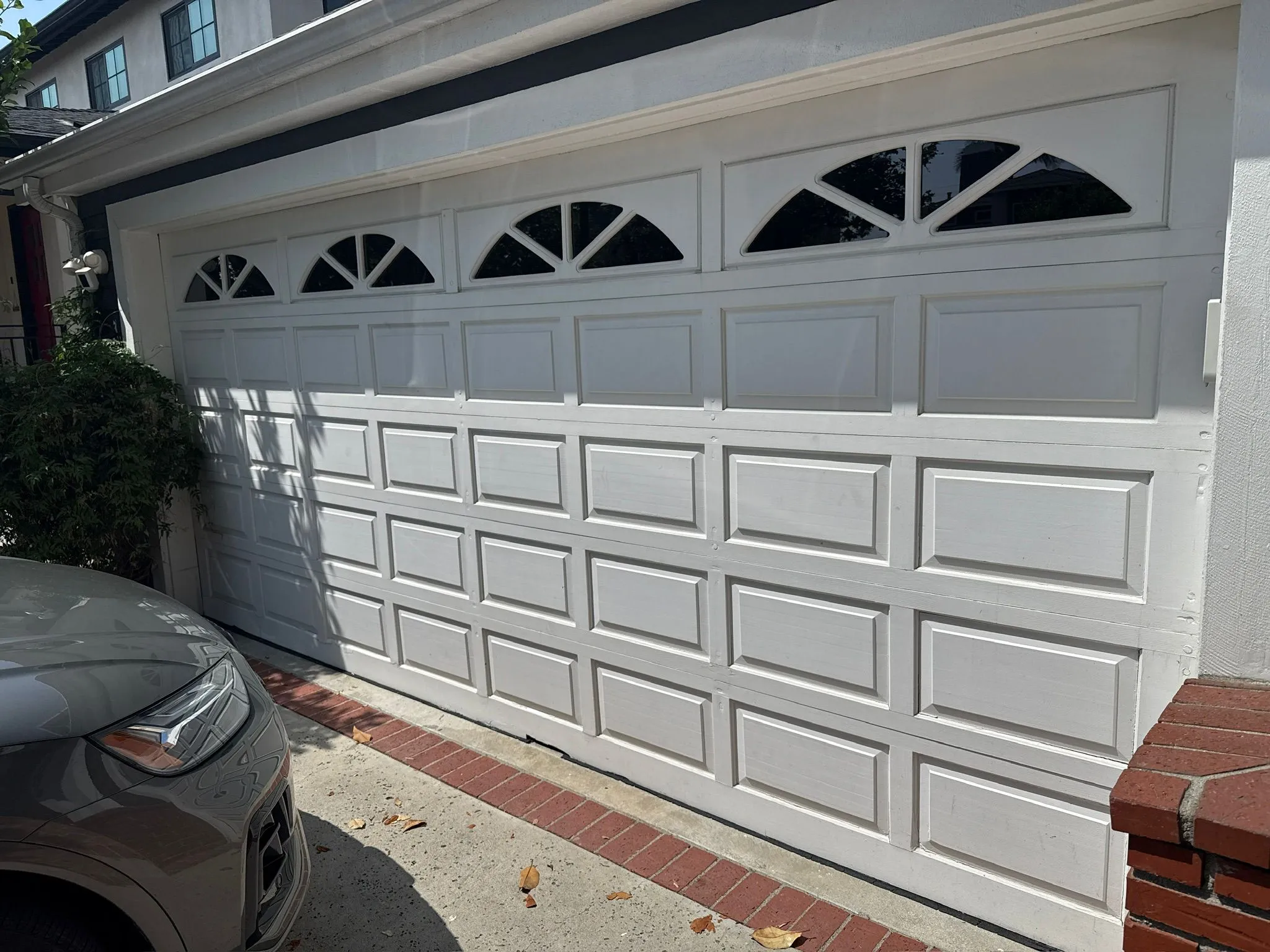
Standard residential garage doors are not rated for hurricane winds. Florida building code requires hurricane-rated garage doors for new construction in Wind Zone II and above — which covers most of Northeast Florida. But older homes, homes built before the 2002 Florida Building Code update, and homes that never had their doors replaced may still have standard doors.
How to check your door:
- Look for a sticker on the back of the door panel (usually near the top or on the track) with a wind-load rating in PSF (pounds per square foot)
- Check your home inspection report — it may note the garage door wind rating
- Call the door manufacturer with the model number for the rated wind speed
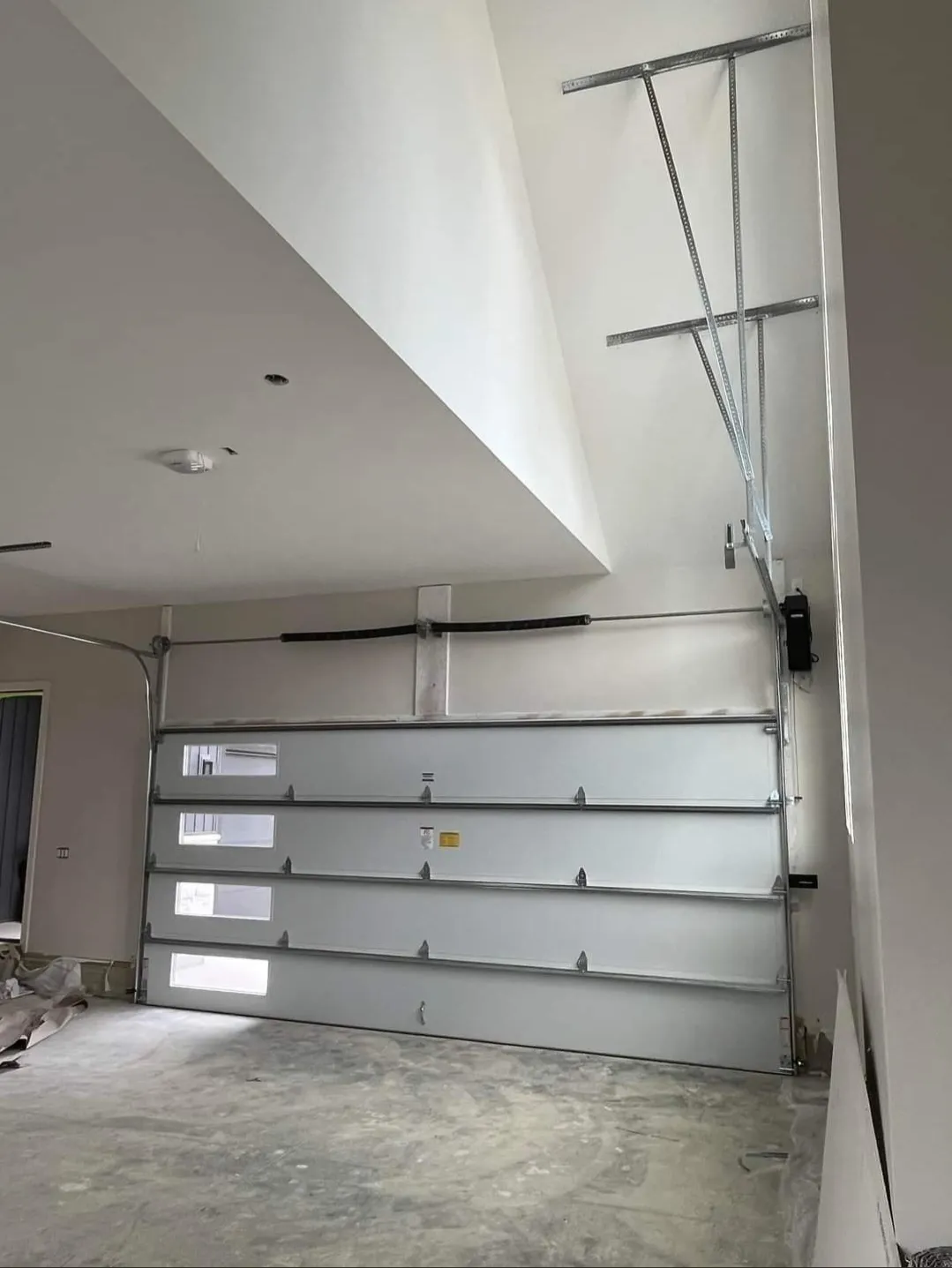
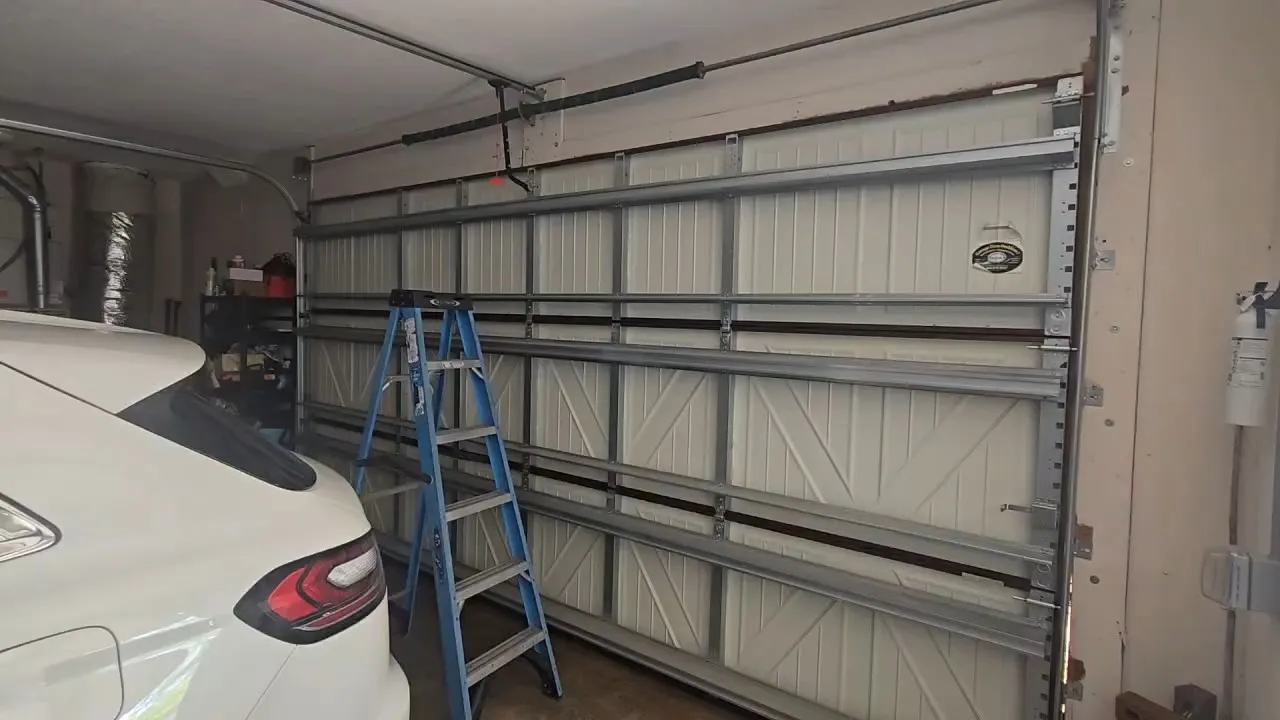
If your door is not wind-rated, you have two options: install a hurricane-rated garage door before season or install a garage door hurricane brace kit (horizontal bracing straps that reinforce standard doors). Brace kits are a budget option; a rated door is the permanent fix.
3. Test the Auto-Reverse and Emergency Release
Place a 2×4 flat on the garage floor in the door’s path. The door should reverse automatically on contact. If it doesn’t, the sensitivity needs adjustment immediately — a door that doesn’t reverse is also less likely to respond correctly in a pressurized storm environment.
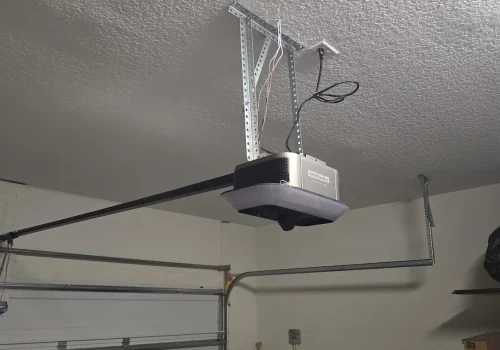
Also locate and test the emergency release cord (the red rope hanging from the trolley). Pull it to disconnect the opener — the door should be manually operable. In a power outage during a storm, this is how you’ll open and close the door.
4. Lubricate Moving Parts
A well-lubricated door closes faster and seats more evenly — both matter when you’re rushing to prepare before a storm. Use a lithium-based garage door lubricant (not WD-40, which is a degreaser) on:
- Torsion spring coils
- Roller stems and hinges
- The full length of the tracks (light coat only)
During a Hurricane Watch or Warning
5. Close and Secure the Door Early
Close your garage door before the storm, not during it. Once winds exceed 40 mph, the door becomes difficult to control manually. If your area is under a hurricane warning, close the door as soon as you’ve moved vehicles in or out for the last time.
If your door has a manual slide bolt or locking bar, engage it. Most automatic openers have an interior lock mechanism — check your owner’s manual for how to engage it.
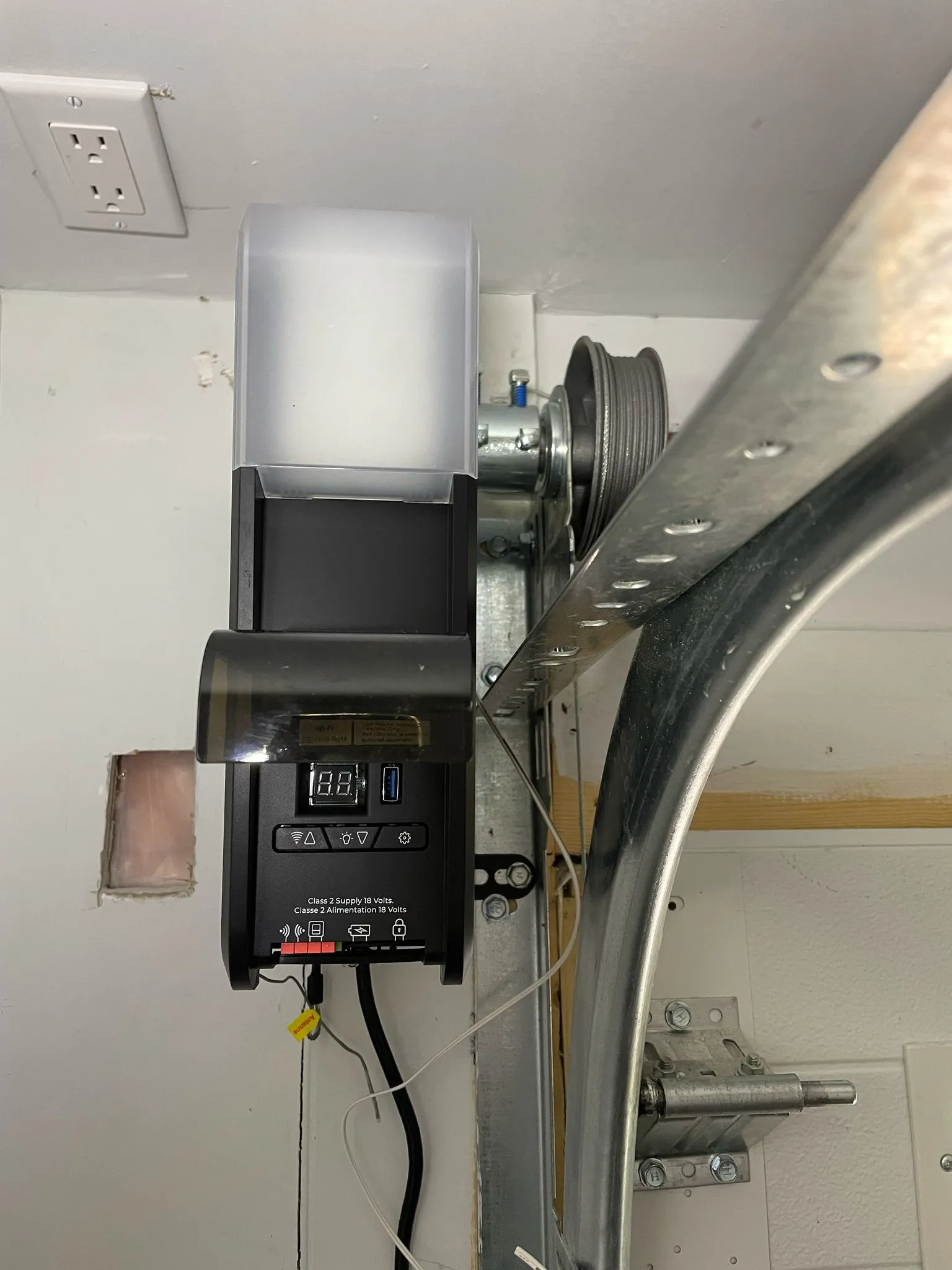
6. Disconnect the Opener
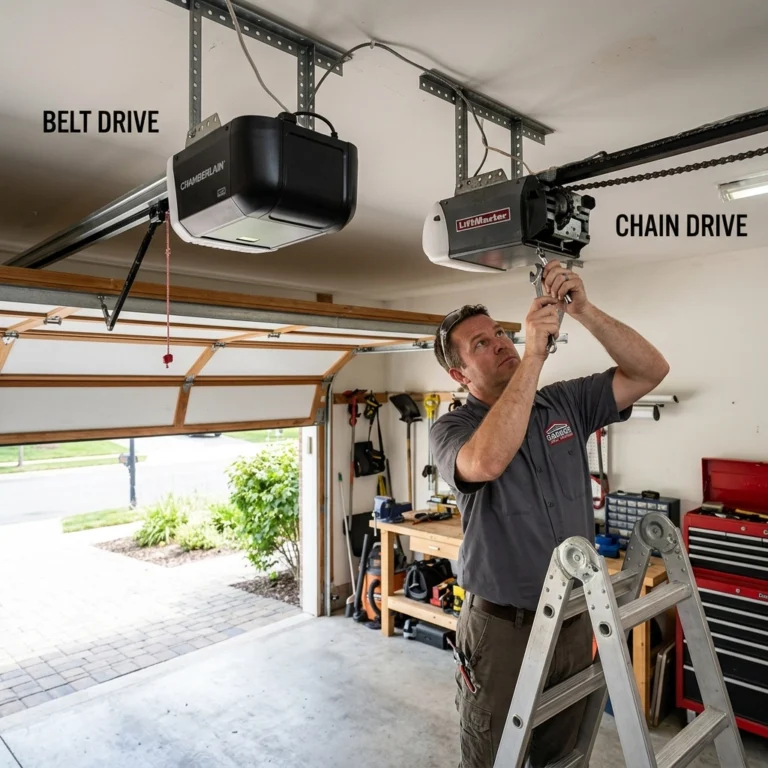
Power surges during storms can fry garage door opener circuit boards. Unplug the opener unit from the ceiling outlet before the storm arrives. After the storm, inspect the unit before plugging it back in — a power surge combined with moisture infiltration is a common cause of post-storm opener failures.
7. Move Vehicles and Items Away from the Door
If the door fails during a storm, anything parked directly in front of it will be struck by the door panel or debris that enters. Move cars back in the garage, away from the door, or out entirely. Remove lawn furniture, garbage cans, and potted plants from the driveway — these become projectiles in high wind.
8. Do Not Use the Door as an Exit During the Storm
Once a storm is active, do not open the garage door. Opening even briefly creates a pressure differential that can be difficult to reverse if the door fails. Use interior doors only during active weather.
After the Storm: What to Check
9. Inspect Before You Operate
Before pressing the opener button after a storm, do a visual check:
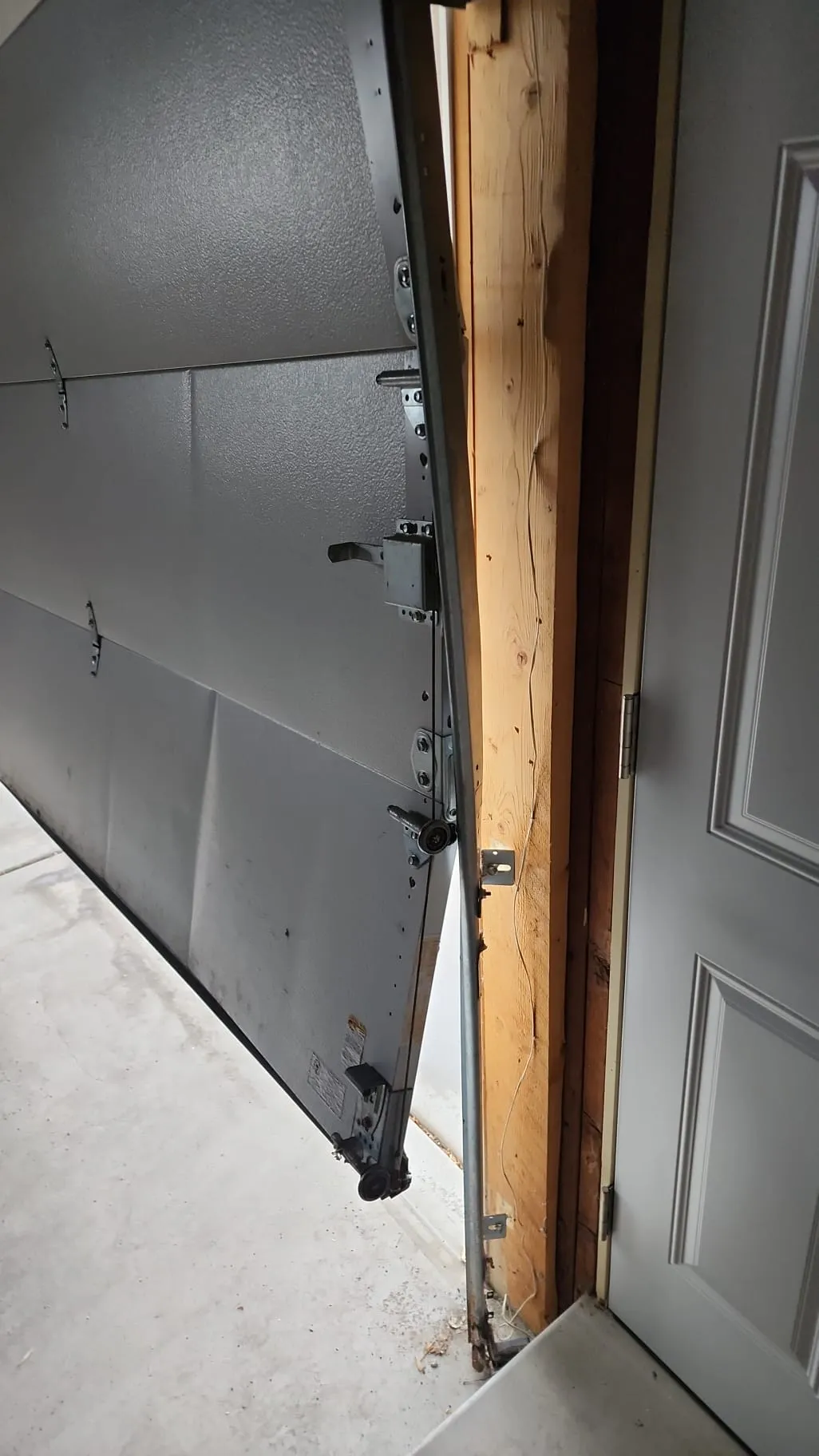
- Look for visible damage to panels, tracks, or the door frame
- Check that the tracks are straight and the rollers are still seated
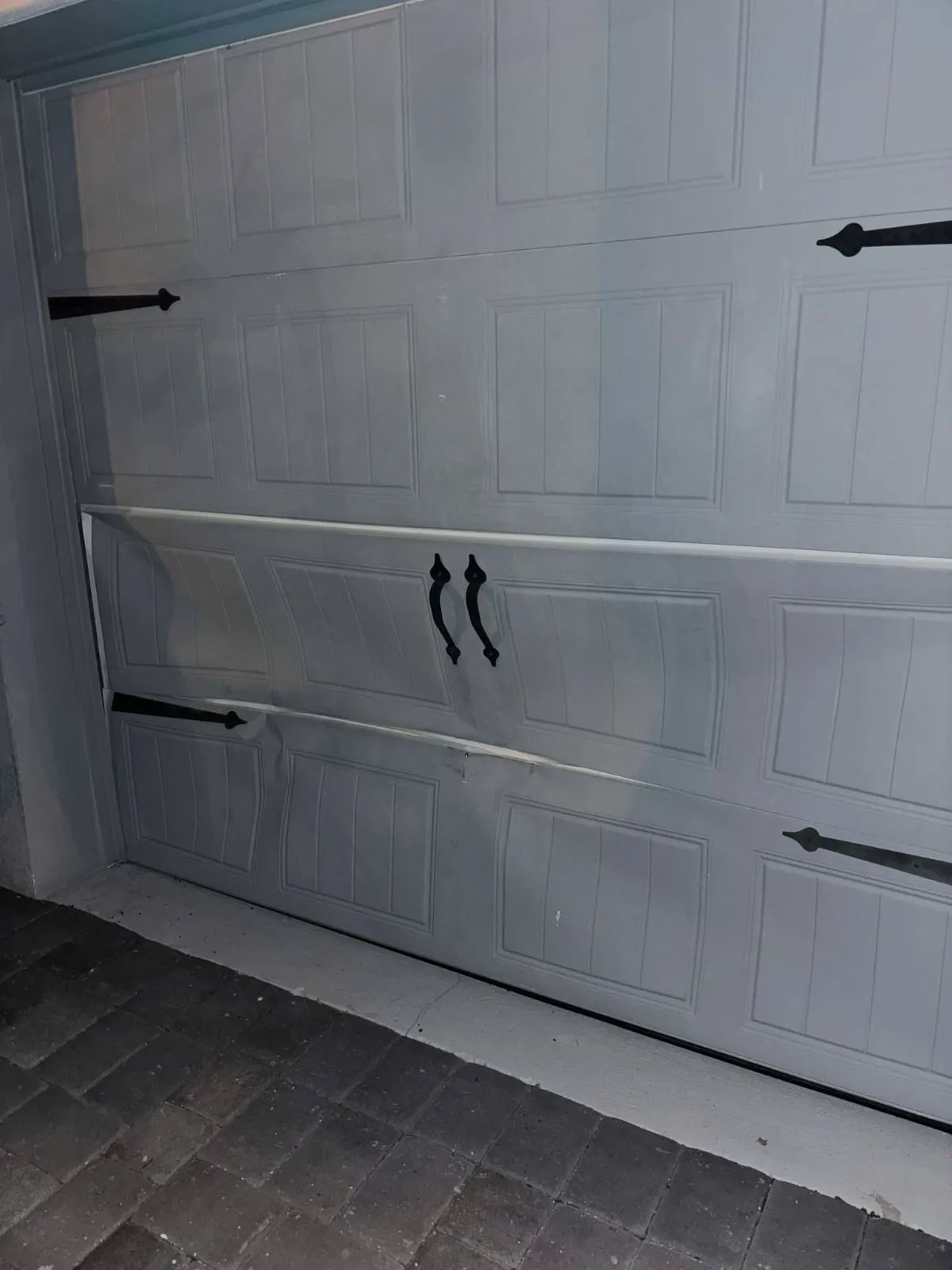
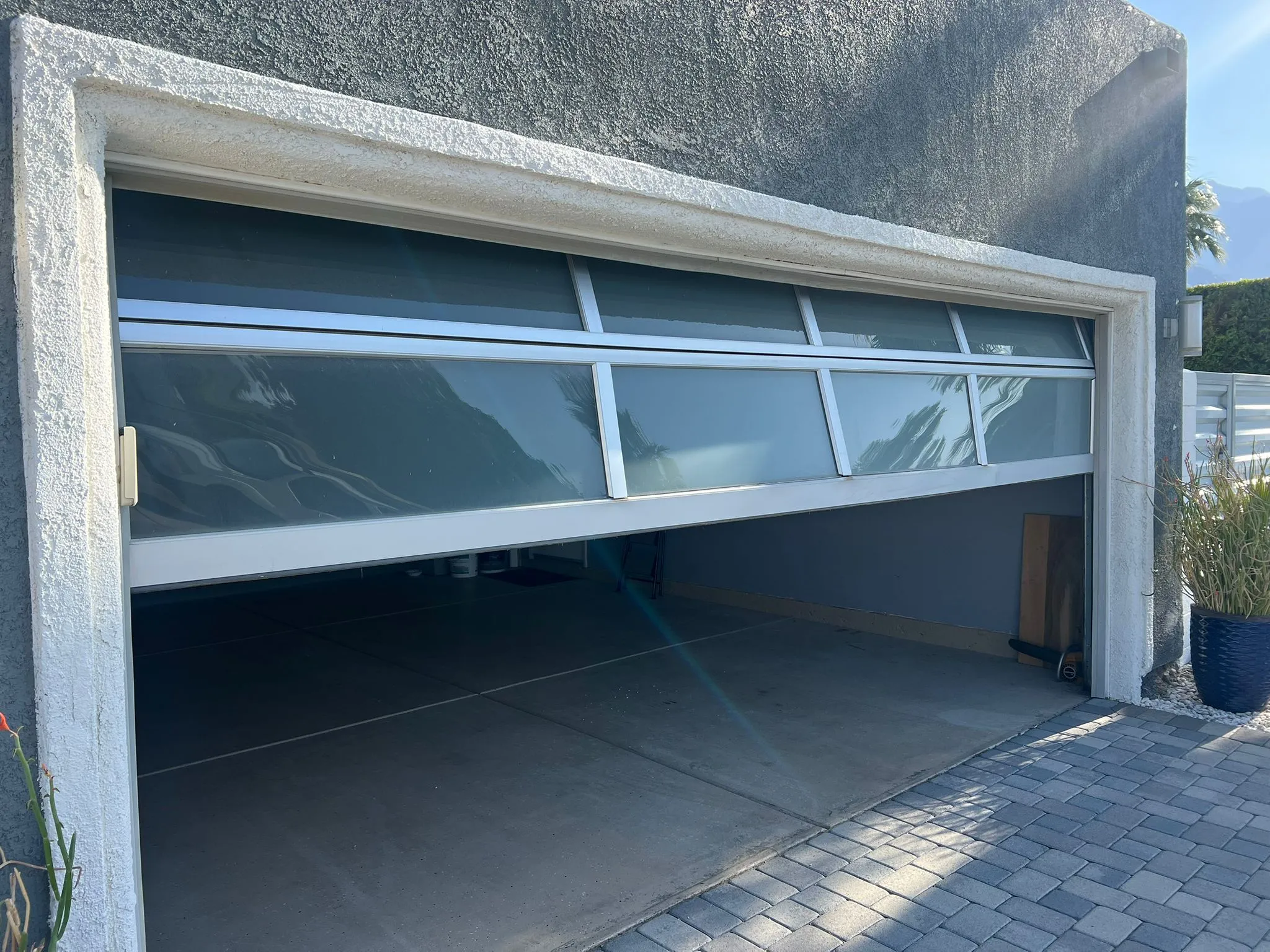
- Look for water pooling near the base — a shifted or dented door may not seal, even if it opens and closes
Operating a damaged door can cause it to jump the track or fall. If anything looks off, leave it closed and call a technician before using it.
10. Document Damage Immediately
If your garage door is damaged, photograph everything before any repairs. Insurance claims require documentation. Photograph: full door exterior, any dents or holes, track damage, hardware damage, and any water or debris inside the garage. Save your service receipt — insurers often request proof of repair and cost.
Upgrade Option: Hurricane-Rated Garage Doors
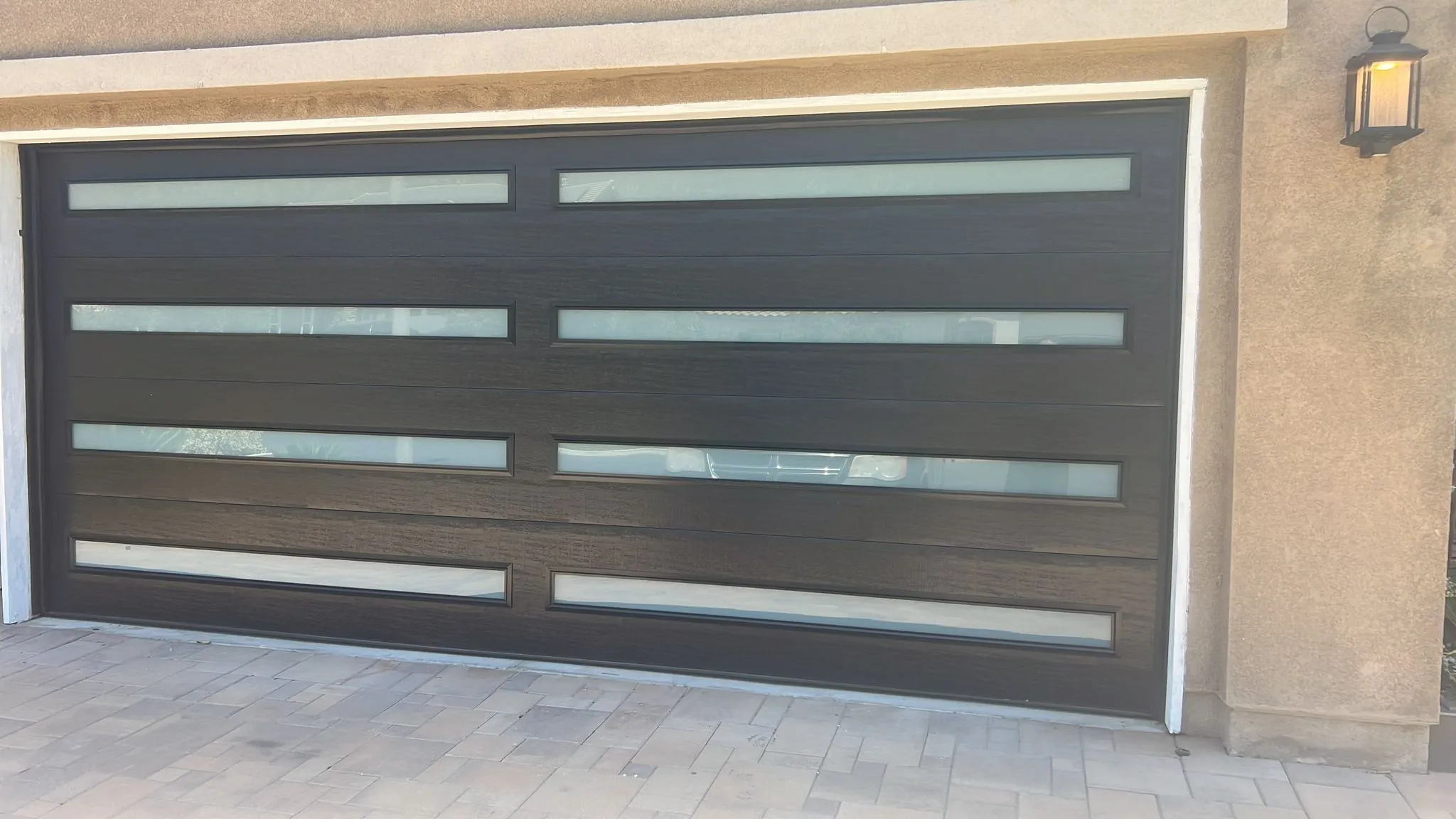
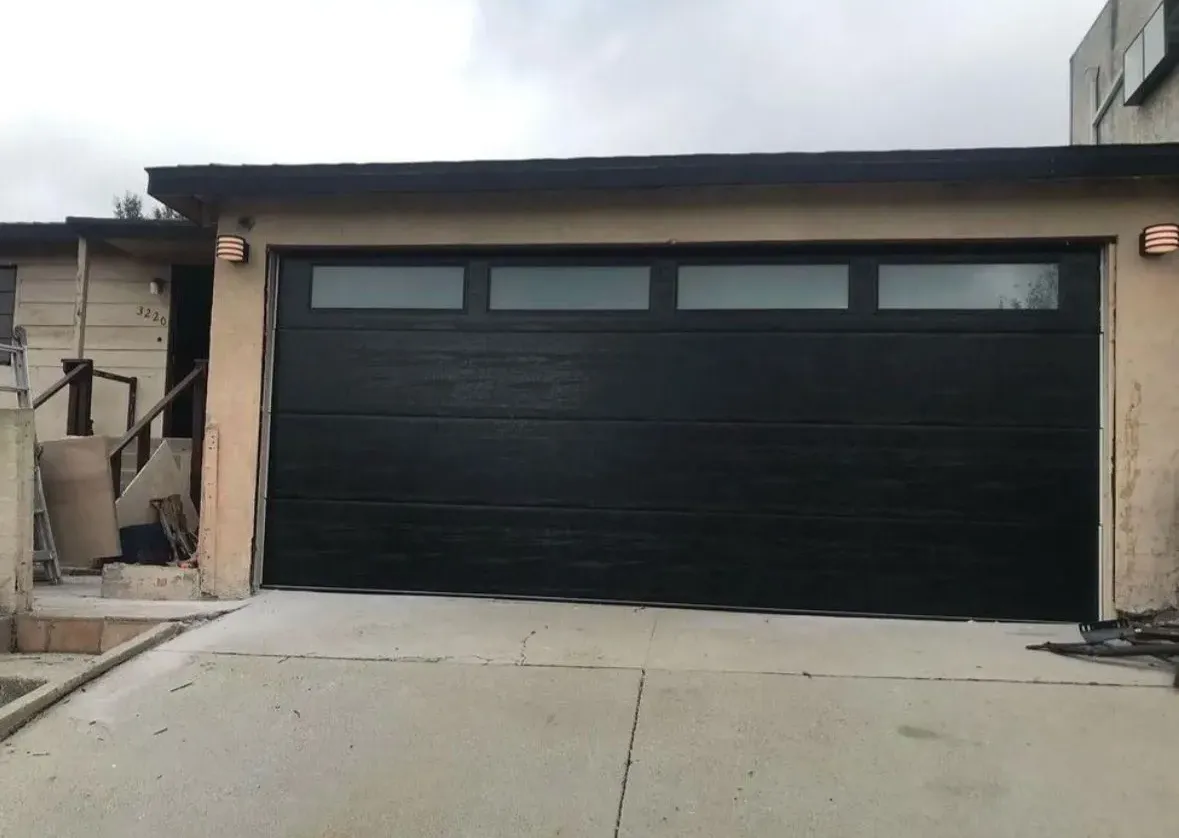
If your door failed inspection or is more than 15 years old, hurricane season is the right time to plan a replacement. Hurricane-rated doors are built with reinforced steel sections, heavier gauge hardware, and engineering tested to withstand 130–150+ mph winds depending on the rating.
In Florida, replacing a non-rated door with a rated one can also qualify for a homeowner’s insurance discount — contact your insurer for details. Brands like Clopay, CHI, and Amarr all produce Florida Building Code-approved impact-rated doors. Lavish installs all three brands across Jacksonville, St. Johns, Orange Park, and surrounding areas. Call (904) 815-3310 for a free estimate, or visit our hurricane garage door page to see rated door options.