Meta Description: Choosing between a belt and chain drive garage door opener? Discover the big (and small) differences in noise, cost, and durability to find the perfect fit for your Jacksonville home.
If you’ve ever been jolted awake at 6:00 AM by a sound that resembles a freight train crashing through your living room, you’ve likely experienced the "charm" of an aging garage door opener. In the world of home improvement, the garage door opener is often the unsung hero: until it starts screaming for attention.
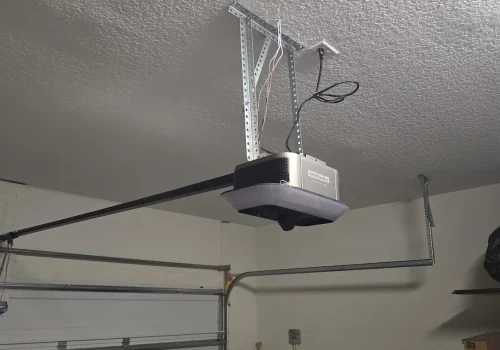
When it comes time to replace that noisy beast, you’re usually faced with a classic showdown: Belt Drive vs. Chain Drive. On the surface, they look almost identical. They both sit on a rail, they both have a motor, and they both (ideally) lift your door. But as we like to say at Lavish Garage Door Services, the magic is in the mechanics.
Is there a big difference? Or is it all just marketing fluff? Let’s break down the technicalities with a bit of wit and a lot of honesty so you can decide which one deserves a spot in your garage.
The Chain Drive: The Rugged Old Guard
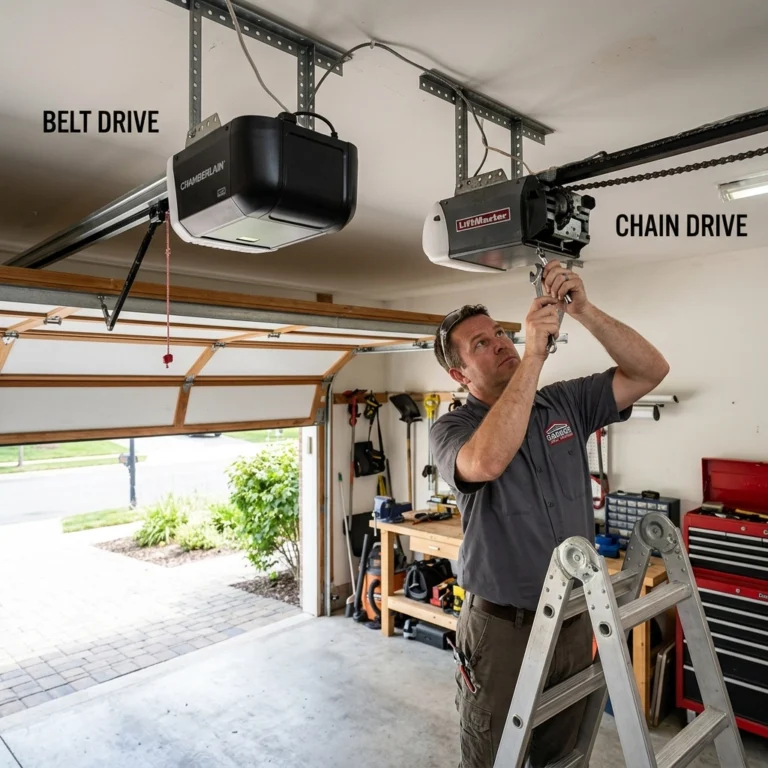
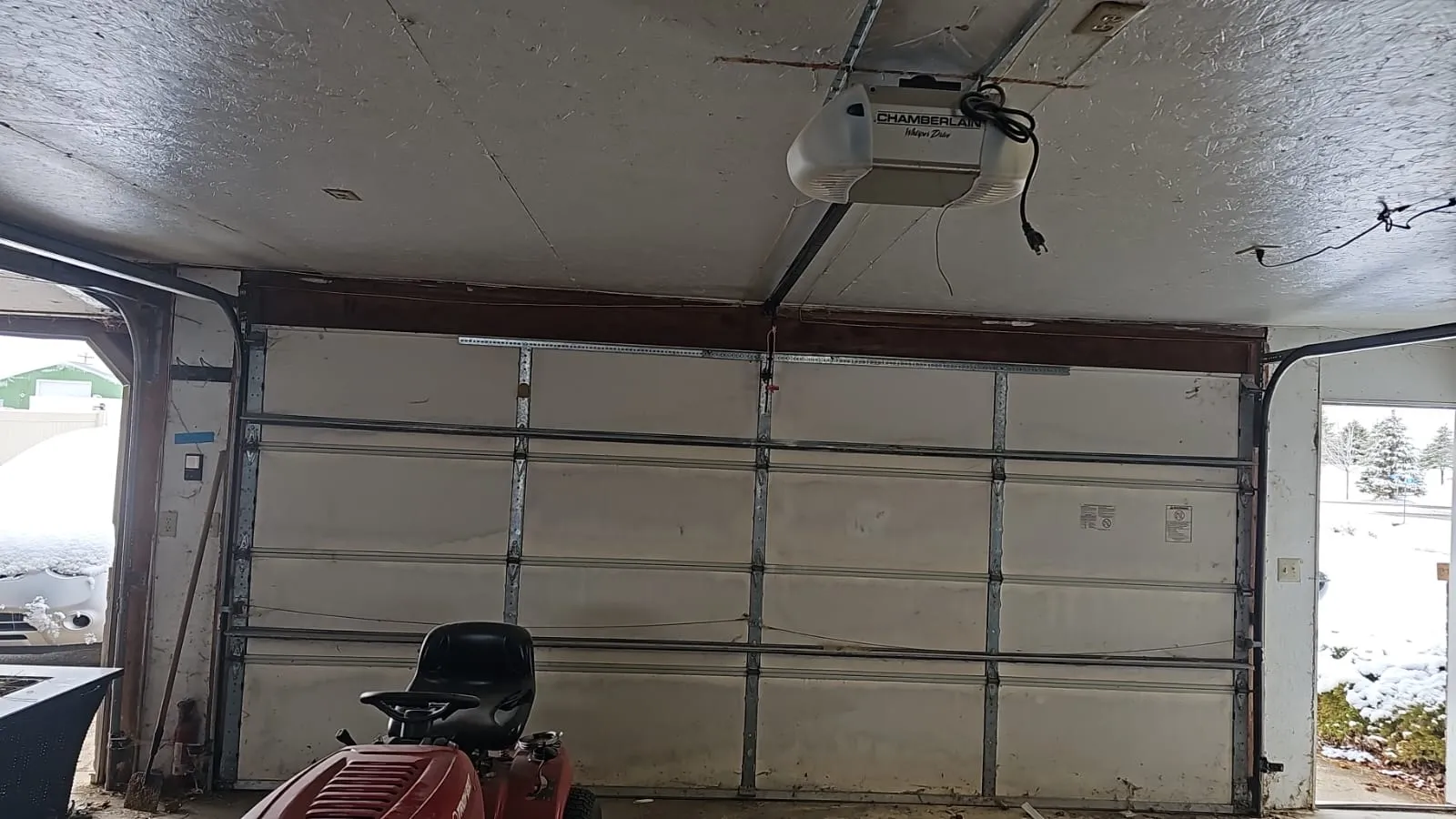
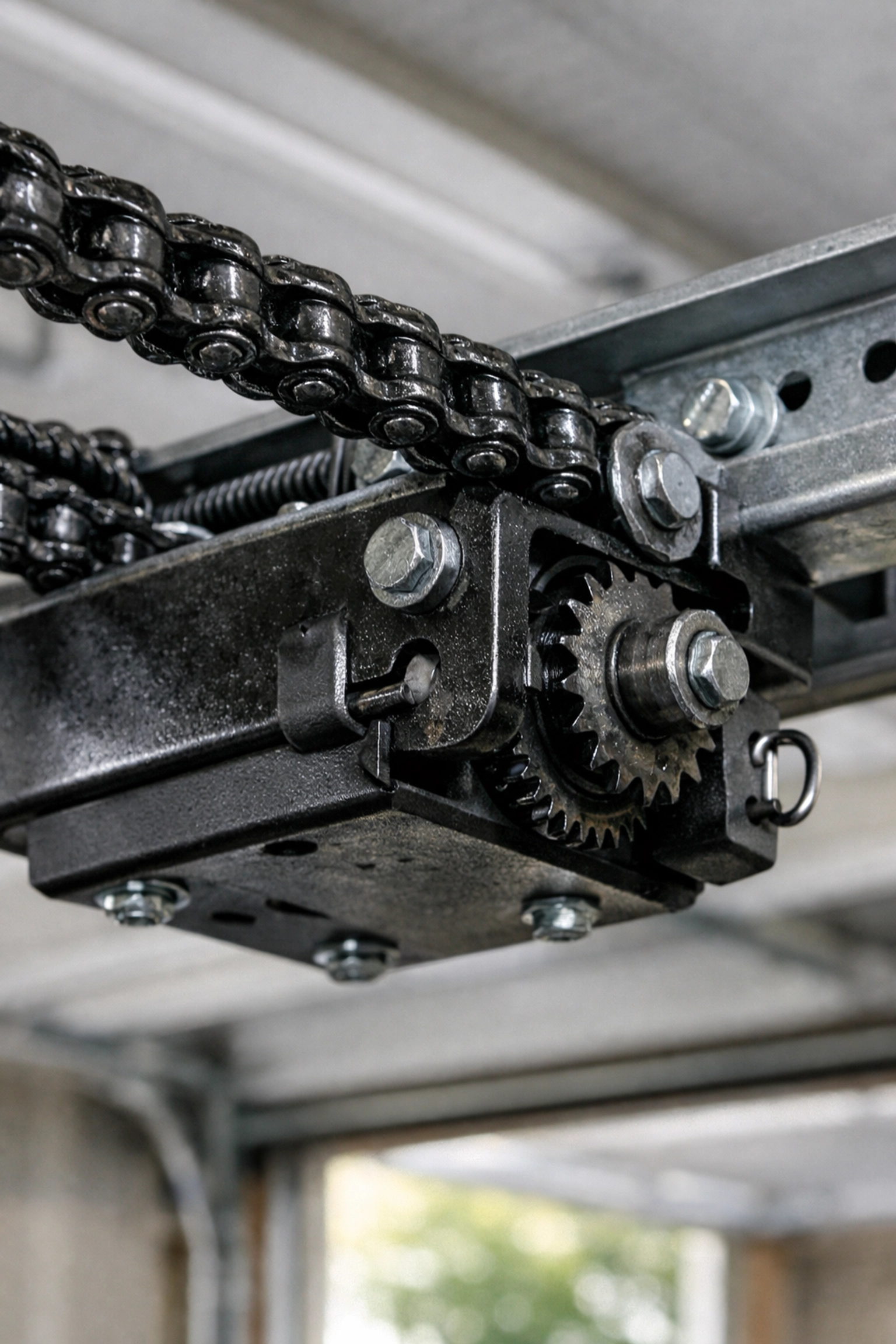
Think of the chain drive as the "pickup truck" of garage door openers. It’s been around forever, it’s incredibly strong, and it isn’t afraid of a little hard work. These systems use a metal chain: very similar to a bicycle chain: to pull the trolley that moves your door.
The Pros of Going Metal
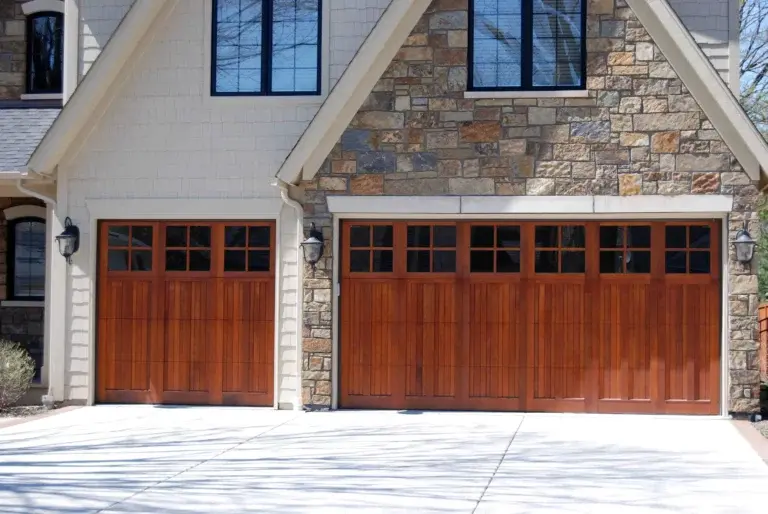
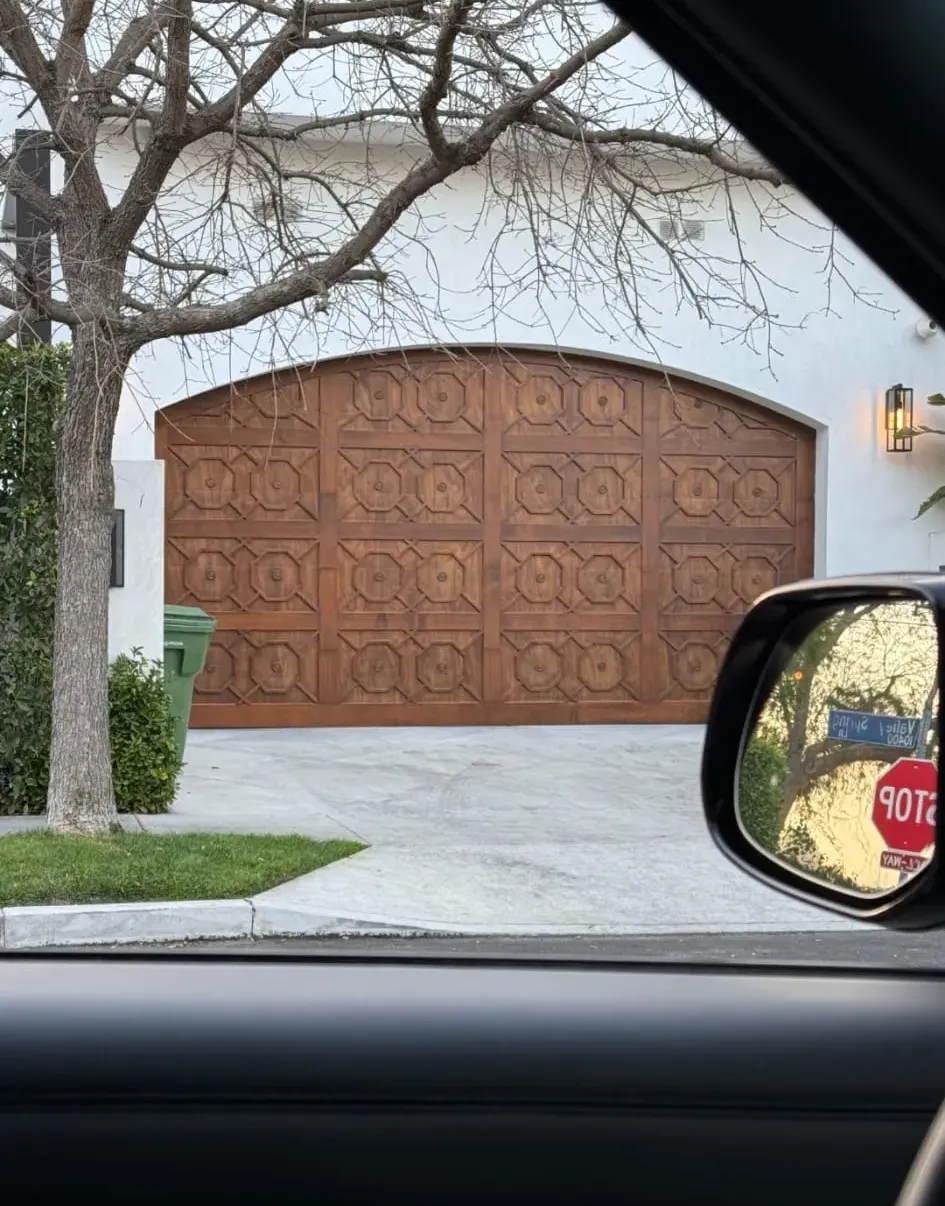
- Raw Strength: Chain drives are the heavy lifters of the industry. If you have a massive, custom-built wooden door or a reinforced steel carriage door, the chain drive is your best friend. It doesn't stretch or slip under pressure.
- Budget-Friendly: If you’re looking to get the job done without breaking the bank, chain drives typically have a lower upfront cost.
- Availability: You can find parts for these just about anywhere. They are the standard for a reason.
The Cons (The "Ouch" Factor)
- The Noise: This is the big one. Metal-on-metal contact creates vibration. Vibration creates noise. If your bedroom is located directly above the garage, a chain drive will act as a very effective (and very annoying) secondary alarm clock.
- Maintenance Needs: Because it’s metal, it needs lubrication. If you neglect it, that "clink-clink-clink" sound will eventually turn into a "grind-grind-shriek."
The Belt Drive: The Silent Sophisticate
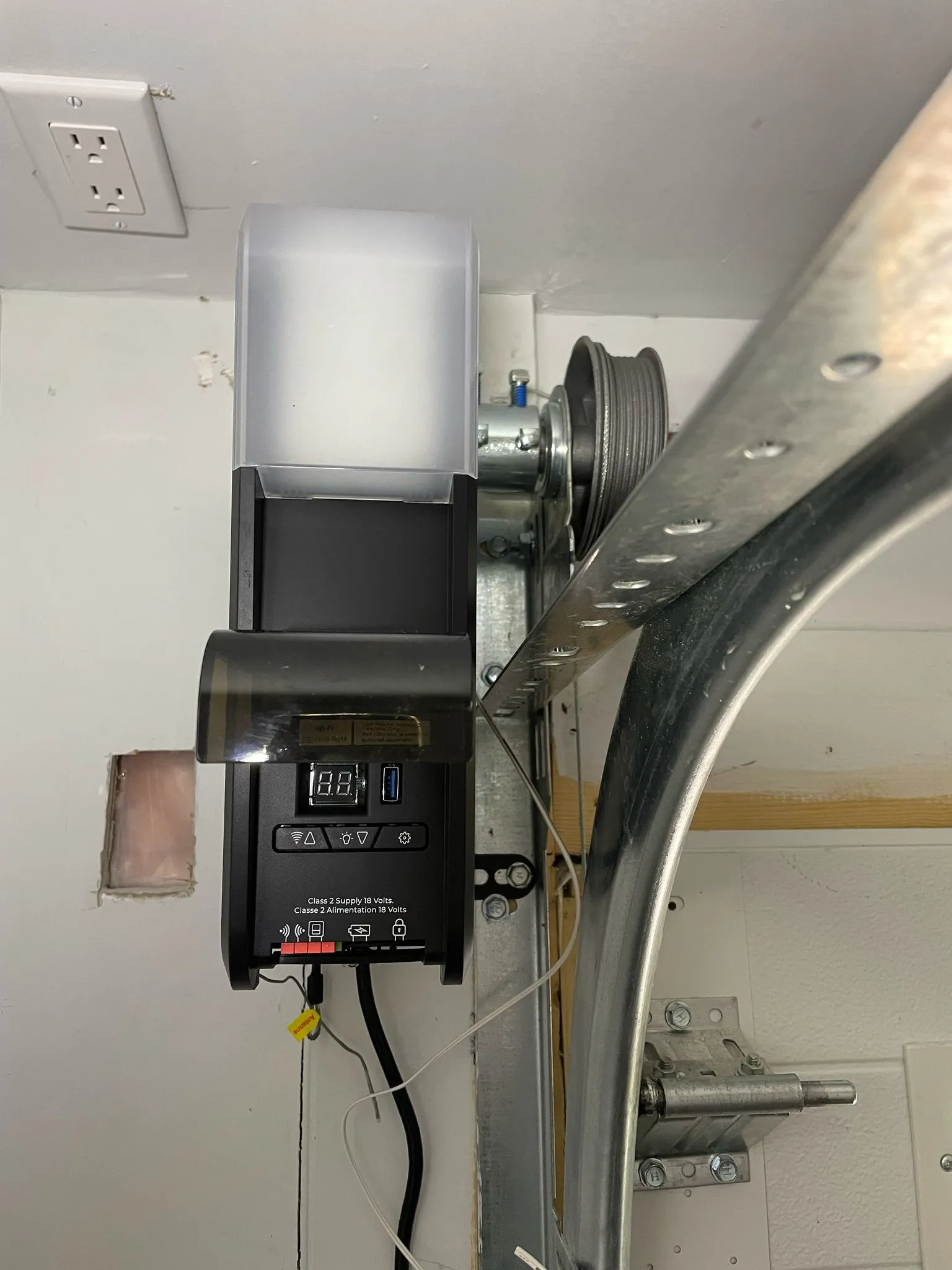
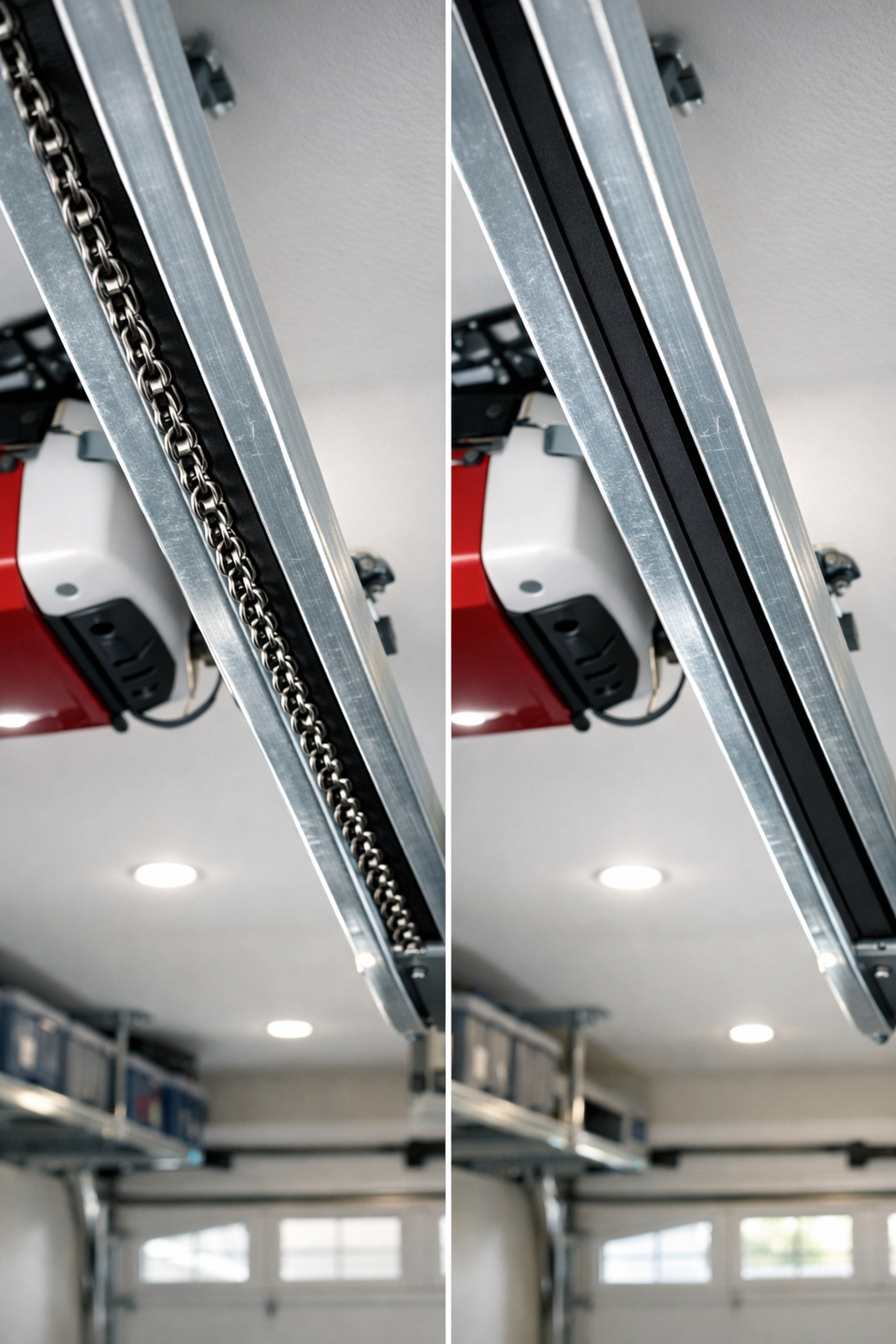
If the chain drive is a pickup truck, the belt drive is a luxury electric sedan. Instead of a metal chain, these openers use a reinforced rubber, fiberglass, or polyurethane belt to move the door.
Why People Love the Belt
- Whisper-Quiet Operation: This is the primary selling point. Belt drives are significantly quieter: often up to 30% quieter than their chain counterparts. They slide along the rail with a smooth "whoosh" rather than a mechanical rattle.
- Lower Maintenance: You don’t need to grease a rubber belt. In fact, you shouldn't. This makes them much cleaner and requires fewer Saturday mornings spent on a ladder with a rag and a can of lubricant.
- Speed and Smoothness: Belt drives often start and stop more smoothly, which can actually reduce the wear and tear on your garage door tracks and rollers over time.
The Trade-Offs
- The Price Tag: Quality comes at a cost. You’ll usually pay a premium upfront for a belt drive system.
- Weight Limits: While modern belt drives are incredibly strong (some are even reinforced with steel cables), they can sometimes struggle with extremely heavy, oversized industrial doors compared to a heavy-duty chain.
The Deep Dive: Noise, Durability, and Cost
To really answer the "Big or Small Difference" question, we need to look at the data.
1. Noise Levels (The Decibel Duel)
A standard chain drive operates at roughly 70 to 80 decibels. For context, that’s about the same as a vacuum cleaner running right next to you. A belt drive, however, hums along at 50 to 60 decibels: the volume of a quiet conversation.
Verdict: If your garage is attached to your house, or if you have a "room over garage" (FROG) setup common in Bartram Park or Mandarin, the difference is HUGE. If your garage is detached and located 50 feet away from the house, the difference is negligible.
2. Maintenance and Longevity
Chain drives require semi-annual lubrication to prevent rust and friction wear. In our humid Jacksonville climate, metal components are prone to oxidation if not cared for. Belt drives are largely "set it and forget it." Most high-end belt drives even come with a lifetime warranty on the belt itself.
Verdict: The difference is MODERATE. You’ll save time and a few cans of grease over a decade with a belt drive, but a well-maintained chain drive can still last 15+ years.
3. Total Cost of Ownership
A chain drive might cost you $200–$300 for the unit, while a belt drive might sit in the $300–$500 range. However, when you factor in the cost of lubricant, potential mid-life repairs, and the sheer value of peace and quiet, the price gap starts to shrink.
Verdict: The difference is SMALL over the long run. You’re essentially prepaying for convenience and silence.
If/Then: Which One Should You Choose?
Still stuck? Use this quick cheat sheet to make your decision:
- Choose a Belt Drive IF: Your garage is under a bedroom, you value a quiet home environment, or you hate performing routine maintenance on mechanical parts.
- Choose a Chain Drive IF: You have a very heavy solid-wood door, your garage is detached from your living space, or you are working with a tighter immediate budget.
Why Jacksonville Residents Should Care
Living in Northeast Florida presents unique challenges. Between the salt air in Jacksonville Beach and the high humidity in Fleming Island, your garage door hardware works overtime.
Humidity can cause metal chains to lose their lubrication faster, leading to that dreaded "dry" mechanical sound. Conversely, some older rubber belts didn't handle extreme heat well, but modern polyurethane belts are designed to withstand the Florida sun without stretching or cracking.
If you’re unsure which model is best for your specific home layout, checking out our FAQ page can provide more insight into common local issues.
Safety First: A Note on Installation
Regardless of whether you choose a chain or a belt, the most important factor in the longevity of your opener is the quality of the installation. A belt drive installed on a crooked rail will be just as loud and prone to failure as a cheap chain drive.
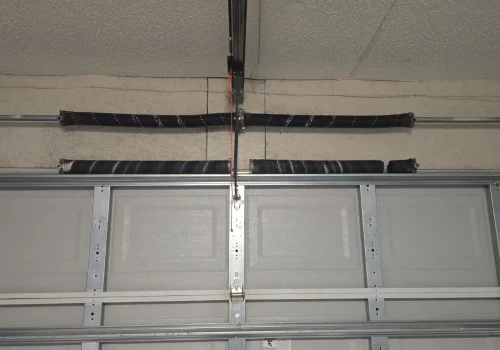
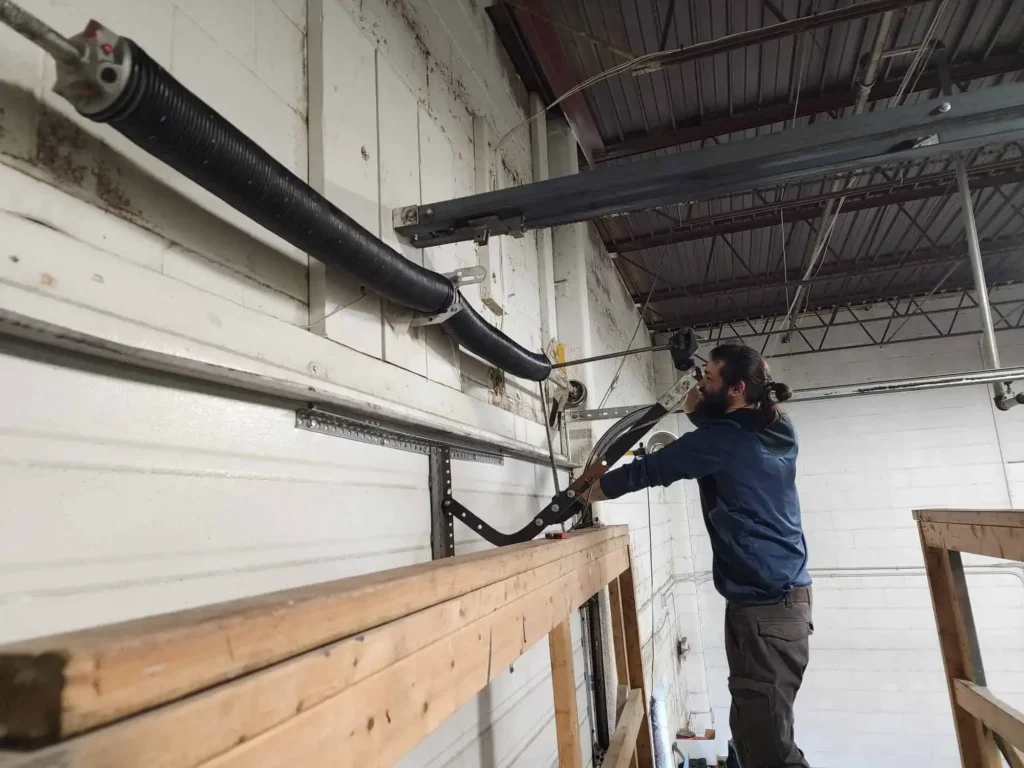
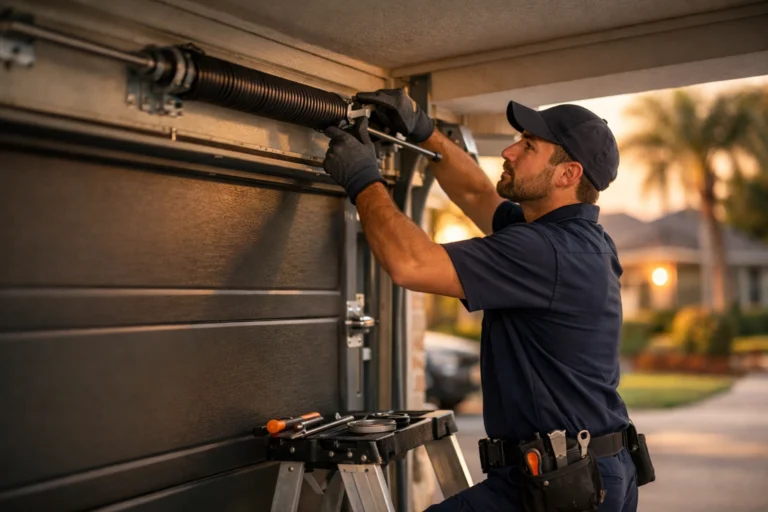
Garage door springs are under immense tension: enough to cause serious injury if handled incorrectly. While we love a good DIY project, replacing or installing a new opener is a task best left to the pros. We ensure that the travel limits are set perfectly, the safety sensors are aligned, and the door is balanced so your new motor doesn't have to strain.
The Final Word
Is there a big difference? In terms of noise, absolutely. It's the difference between a rock concert and a library. In terms of functionality, the difference is smaller: they both get the door up and down reliably.
At the end of the day, your garage door is the largest moving part of your home. Investing in the right opener isn't just about the door; it's about the comfort and security of your entire household.
Ready for a Quieter Morning?
If you're tired of that old chain-drive clatter or your current opener has finally given up the ghost, Lavish Garage Door Services is here to help. We provide expert garage door opener installation across Jacksonville, from St. Augustine Beach to Fernandina Beach.
We’ll help you weigh the pros and cons for your specific door and get your garage running smoothly (and silently!) in no time.
Contact Lavish Garage Door Services today for a consultation and let's get that freight train out of your garage for good!