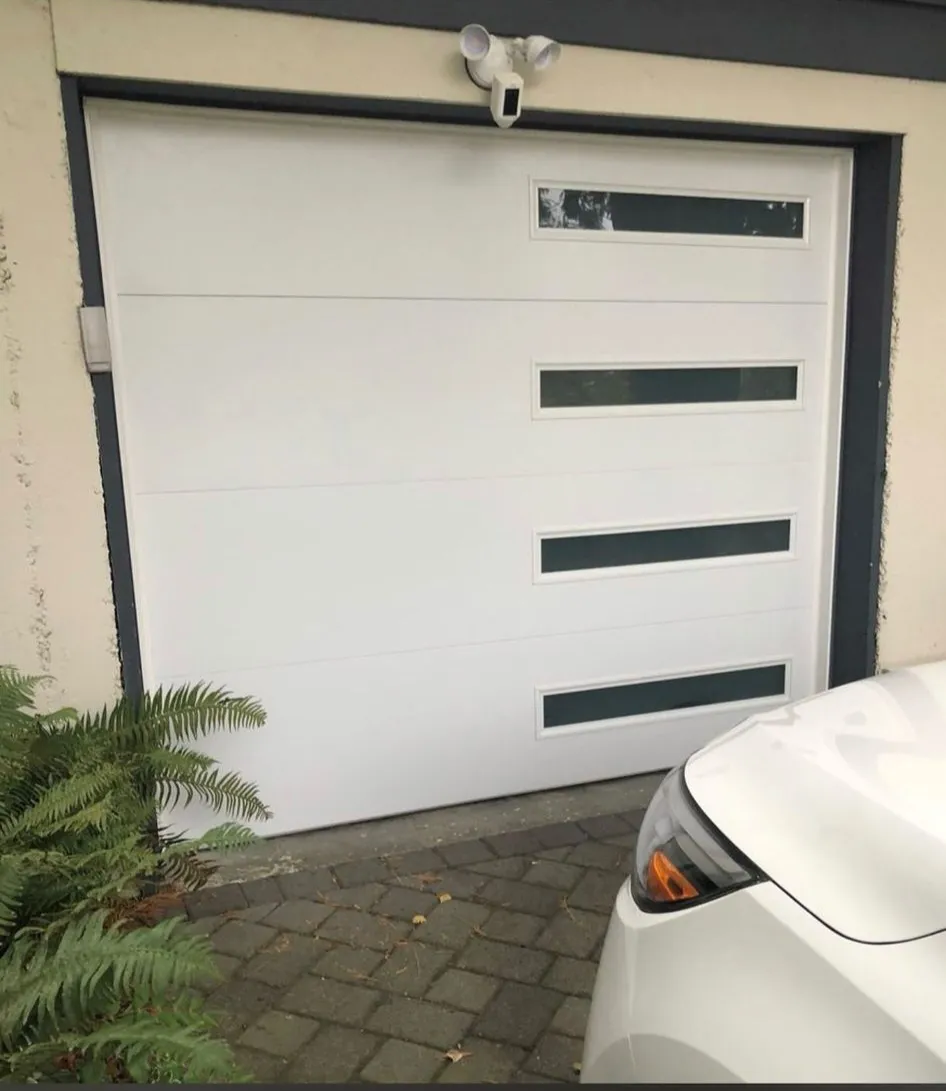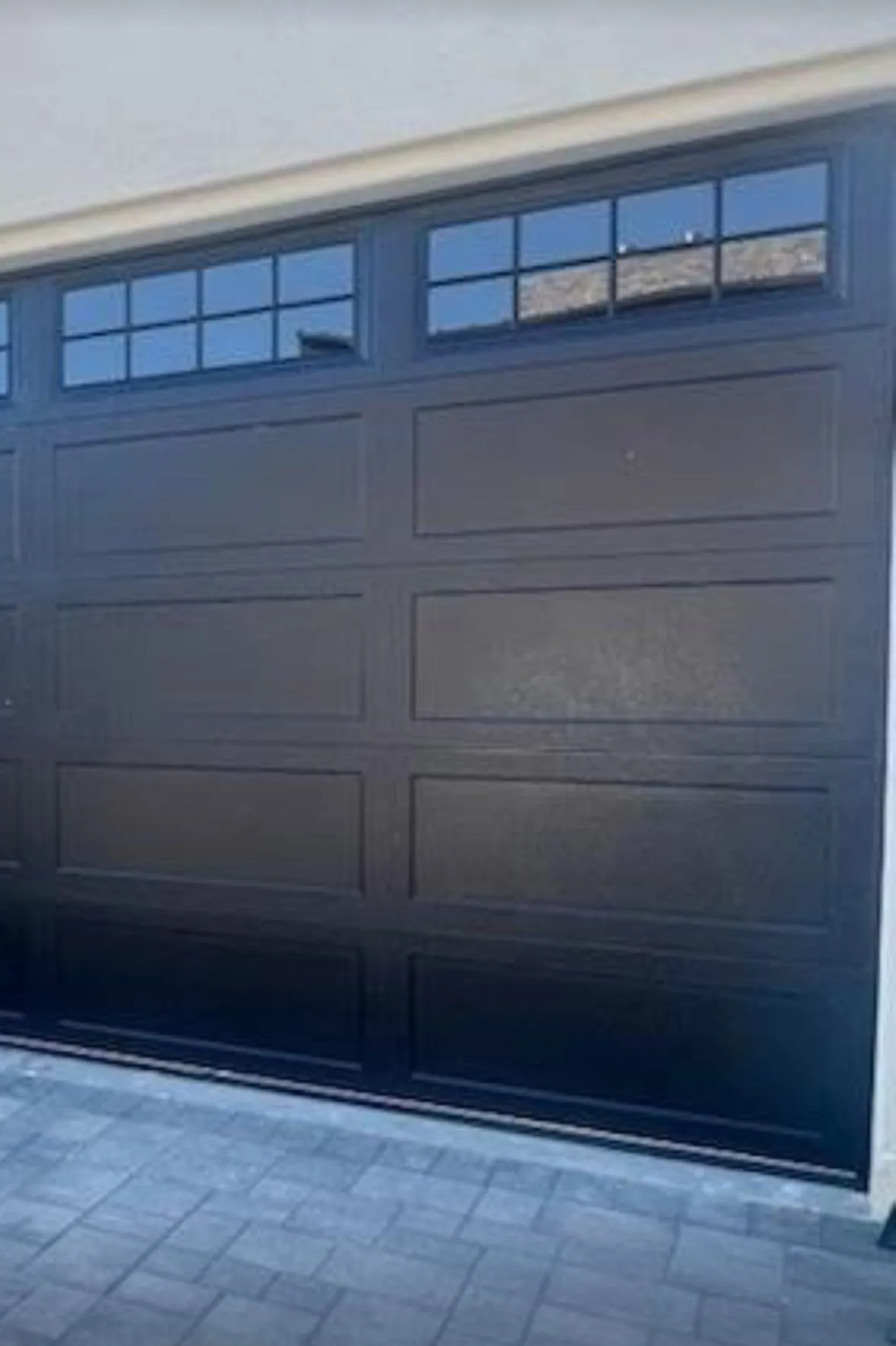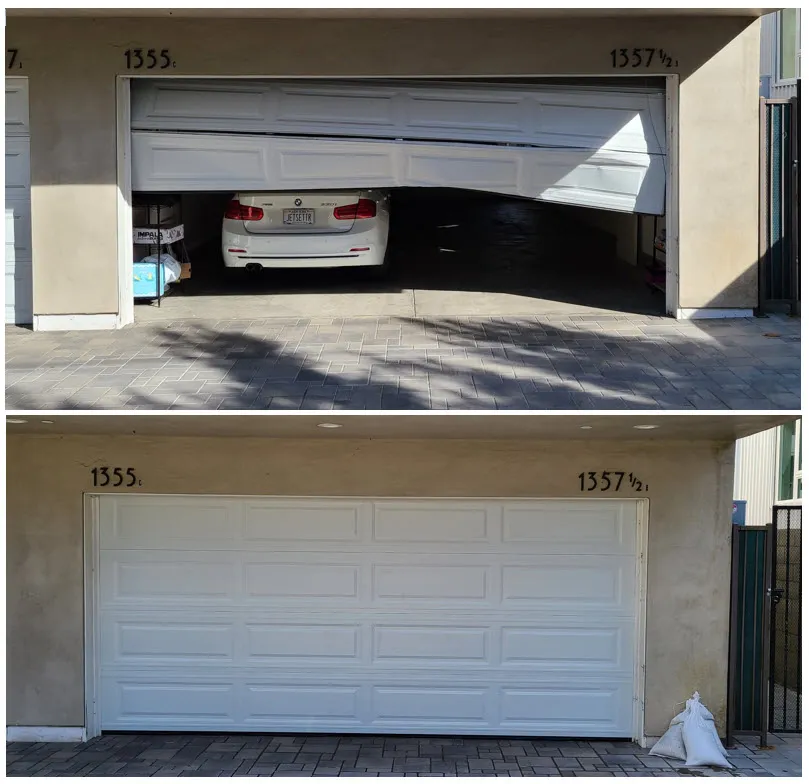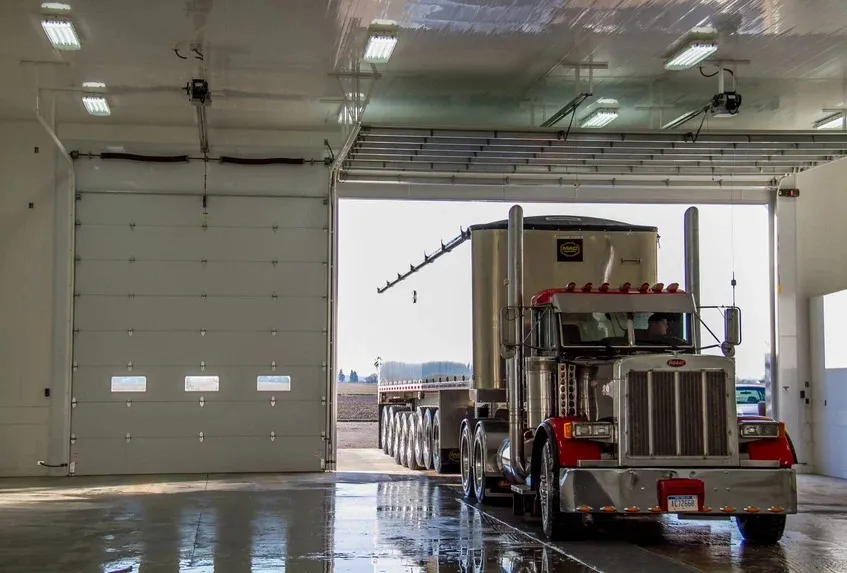
If you’ve lived in Jacksonville for more than a single summer, you know the drill. One minute you’re enjoying a quiet afternoon at Neptune Beach, and the next, the sky turns a bruised shade of purple, and the wind starts howling through the oaks. In Florida, our homes aren’t just where we live, they are our fortresses against the elements.
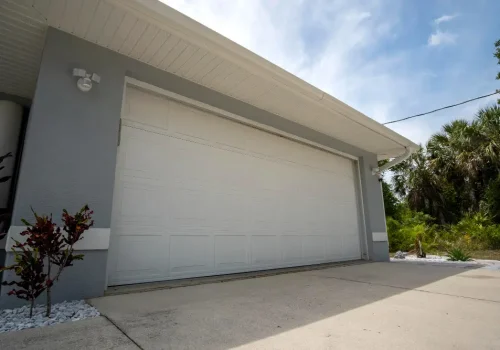
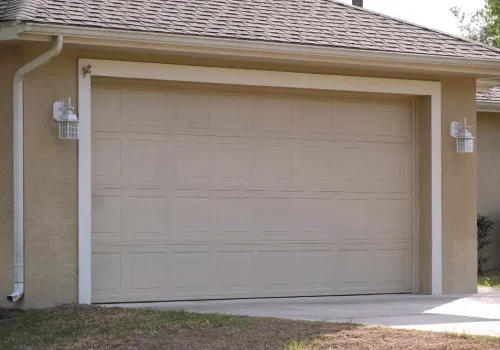
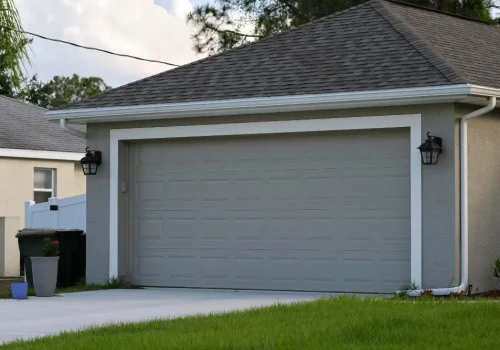
But here’s the thing many homeowners overlook: your garage door is likely the largest and weakest opening in that fortress.
With the 2026 Florida Building Code updates on the horizon and the current 8th Edition already in full swing, “winging it” with an old door isn’t just risky, it could be a violation of state law. At Lavish Garage Door Services, we’re seeing more and more folks asking about wind-load ratings and what they need to do to stay compliant (and safe).
Let’s break down everything you need to know about keeping your garage door up to code in the Bold City.
What Exactly is a Wind-Load Rating?
Think of a wind-load rating as a “stress test” for your garage door. It’s a measurement of how much positive and negative wind pressure a door can handle before it either buckles inward or gets sucked right out of its tracks.
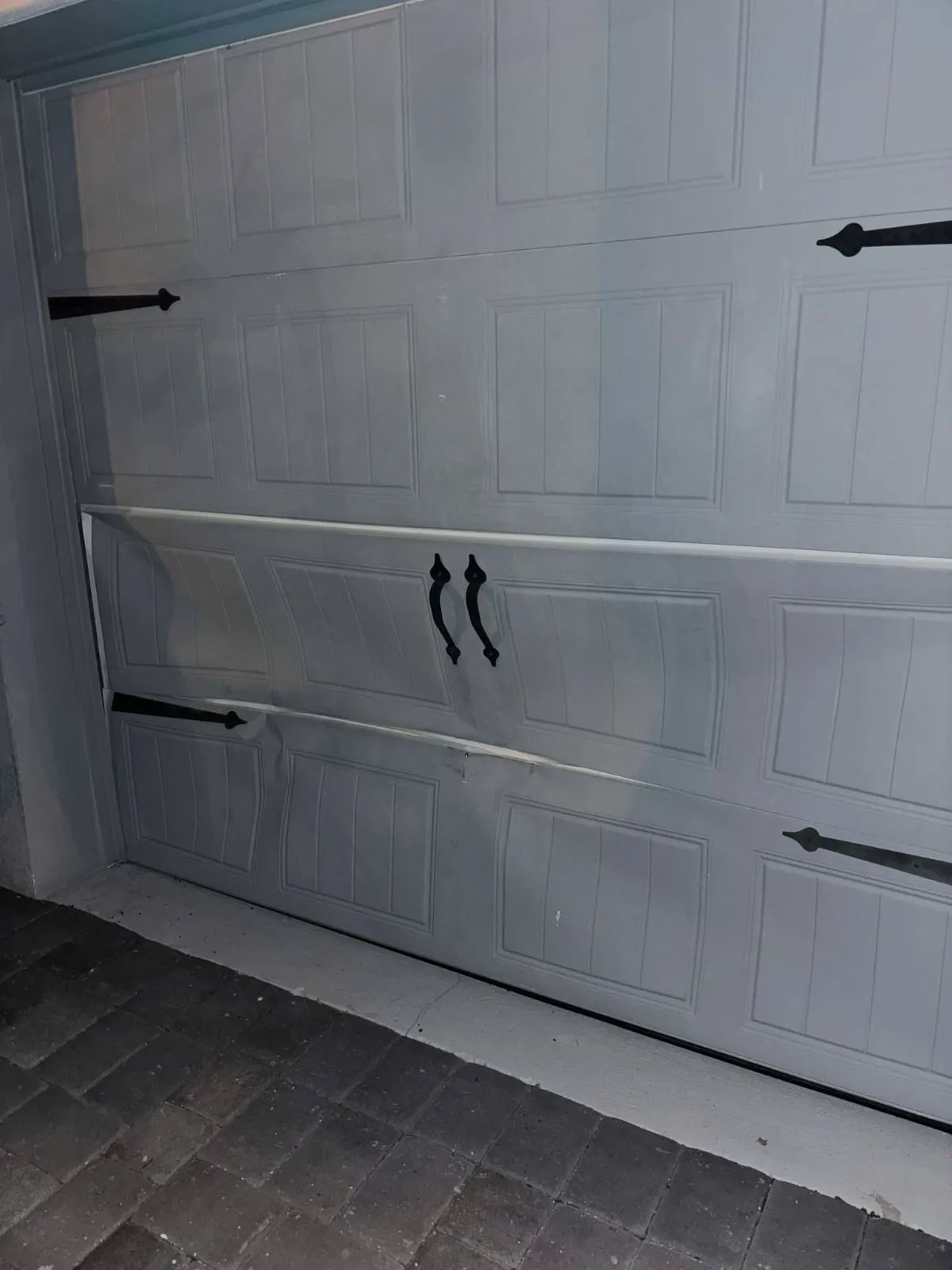
In a high-wind event, air pushes against the outside of the door (positive pressure) and then creates a vacuum effect as it rushes past (negative pressure). If your door isn’t rated for these forces, it can fail catastrophically. And when a garage door fails, it’s not just about the door; the sudden change in in- ternal air pressure can actually cause your roof to lift off. (Yeah, it’s that serious!)
The “Missile” Test
To meet the Florida Building Code, especially in our neck of the woods, doors often need to be im- pact-resistant. This involves a laboratory test where a 9-pound 2×4 stud is literally fired out of a can- non at the door at 50 feet per second. If the door survives that “missile,” it’s one step closer to being Florida-approved.
Jacksonville and the 2026 Florida Building Code
As of early 2026, we are operating under the 8th Edition of the Florida Building Code, but the 9th Edi- tion is already looming with a scheduled start date of December 31, 2026. While Jacksonville isn’t in the “High-Velocity Hurricane Zone” (that’s reserved for our friends down in Miami-Dade and Broward), we are firmly inside the Wind-Borne Debris Region.
What this means for you:
• Mandatory Compliance: If you are replacing your door today, it must meet the current wind-load requirements for your specific street address.
• Design Pressure (DP): Your door will be assigned a DP rating. The higher the number, the stronger the door.
• New for late 2026: The upcoming code updates will place even more emphasis on doors installed under overhangs and the specific fasteners used to anchor the tracks to your home’s structure.
How to Tell if Your Current Door is a Liability
Not sure if your door is up to snuff? You don’t need to be an engineer to find some basic clues. Take a walk out to your garage and check for these three things:
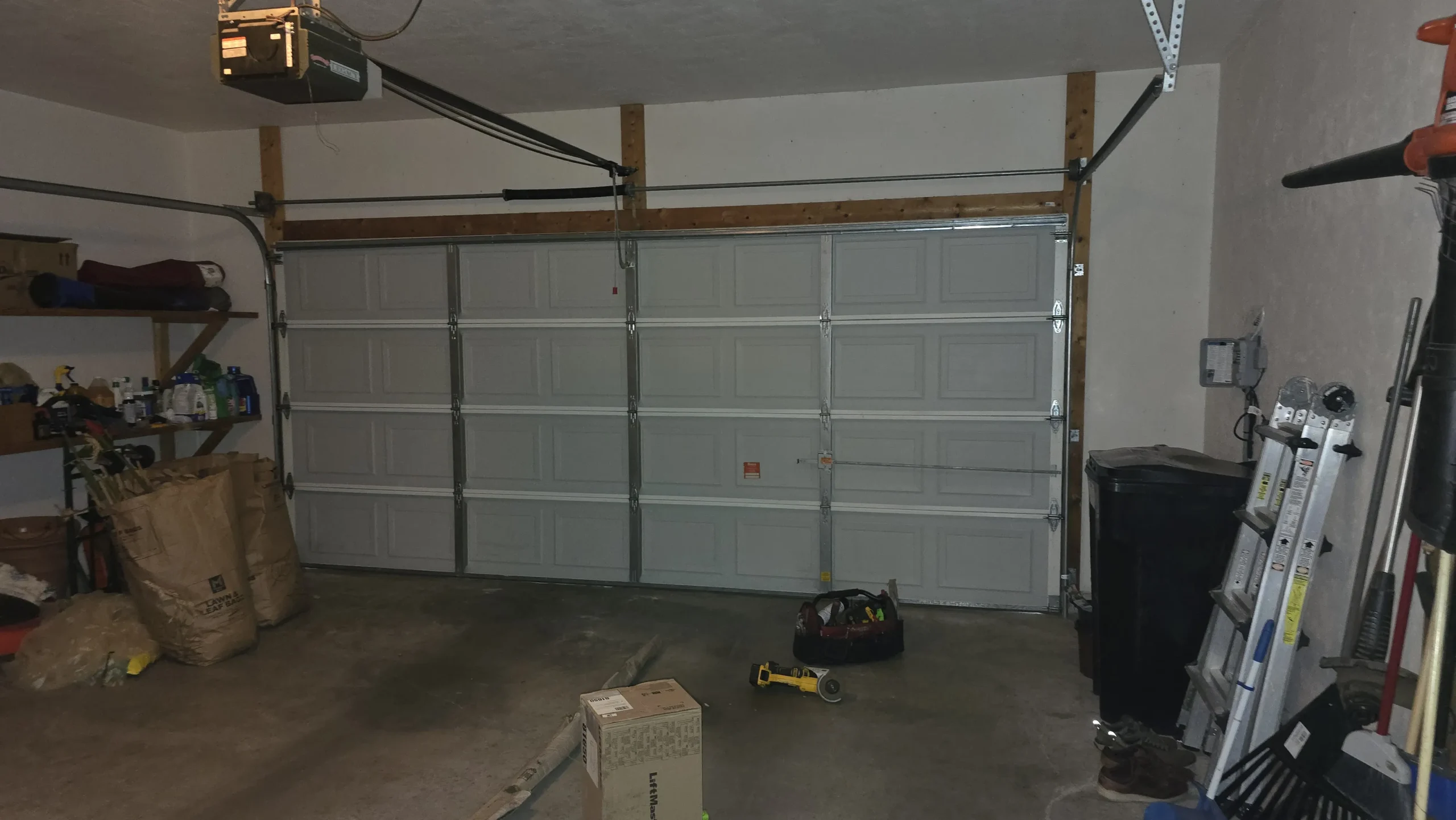
1. The Label: Most code-compliant doors have a sticker on the inside of a panel. It should list the manufacturer, the model number, and the Design Pressure (DP) ratings. If that sticker is missing or says “Non-rated,” you’re at risk.
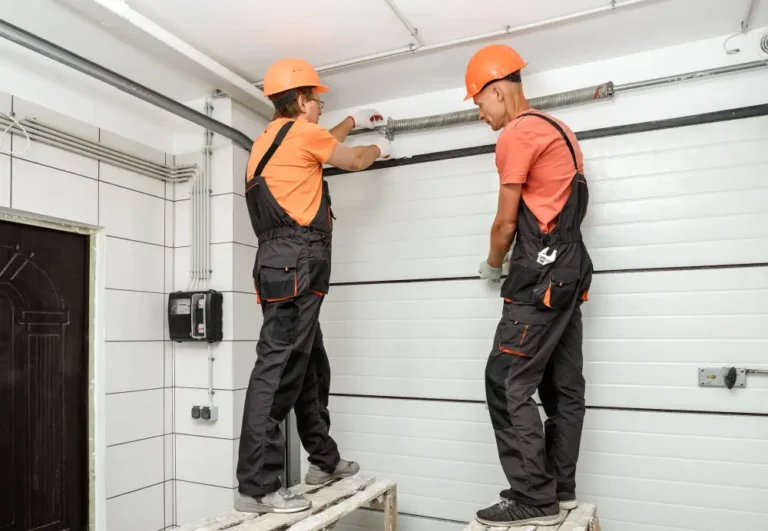
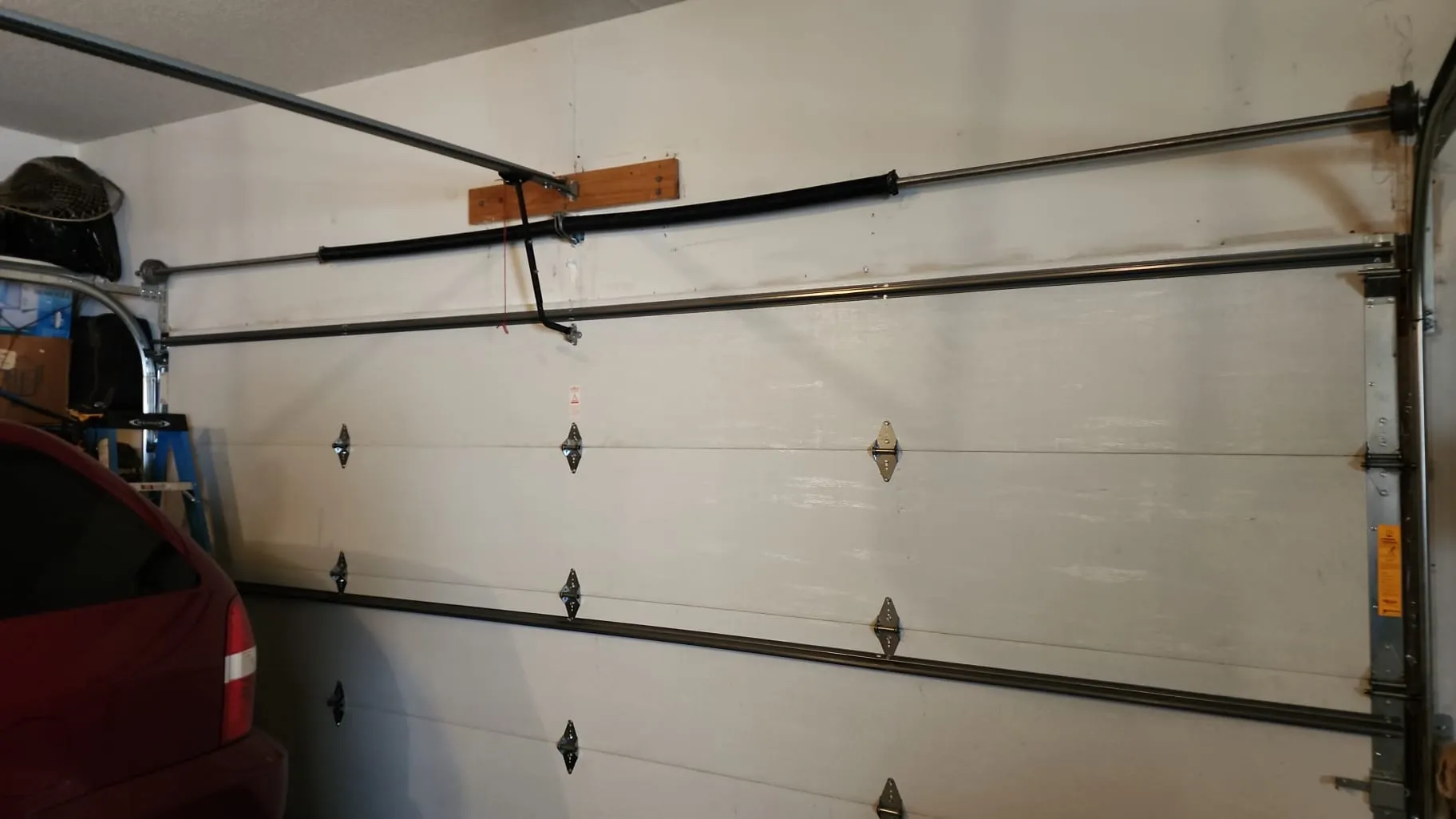
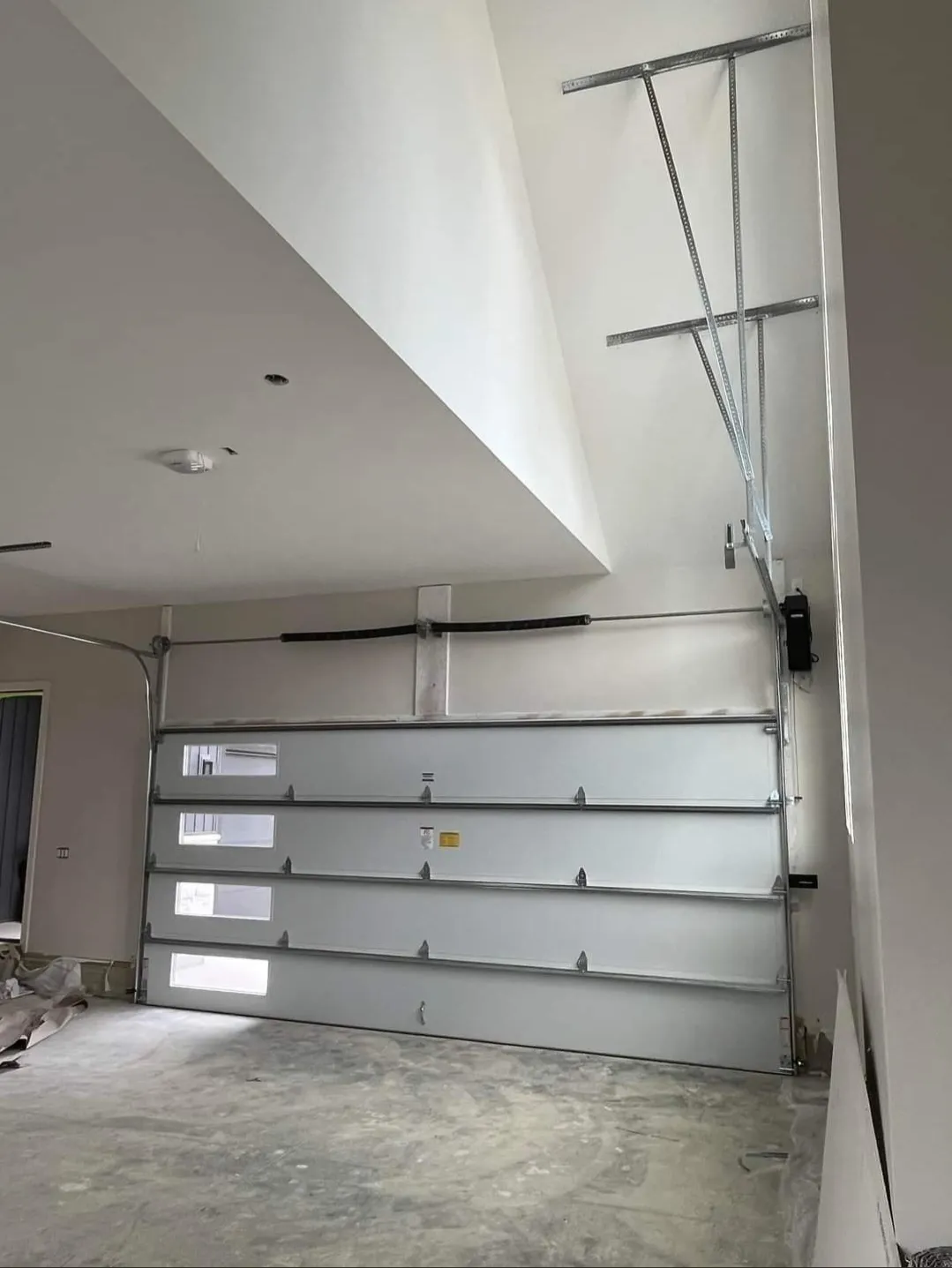
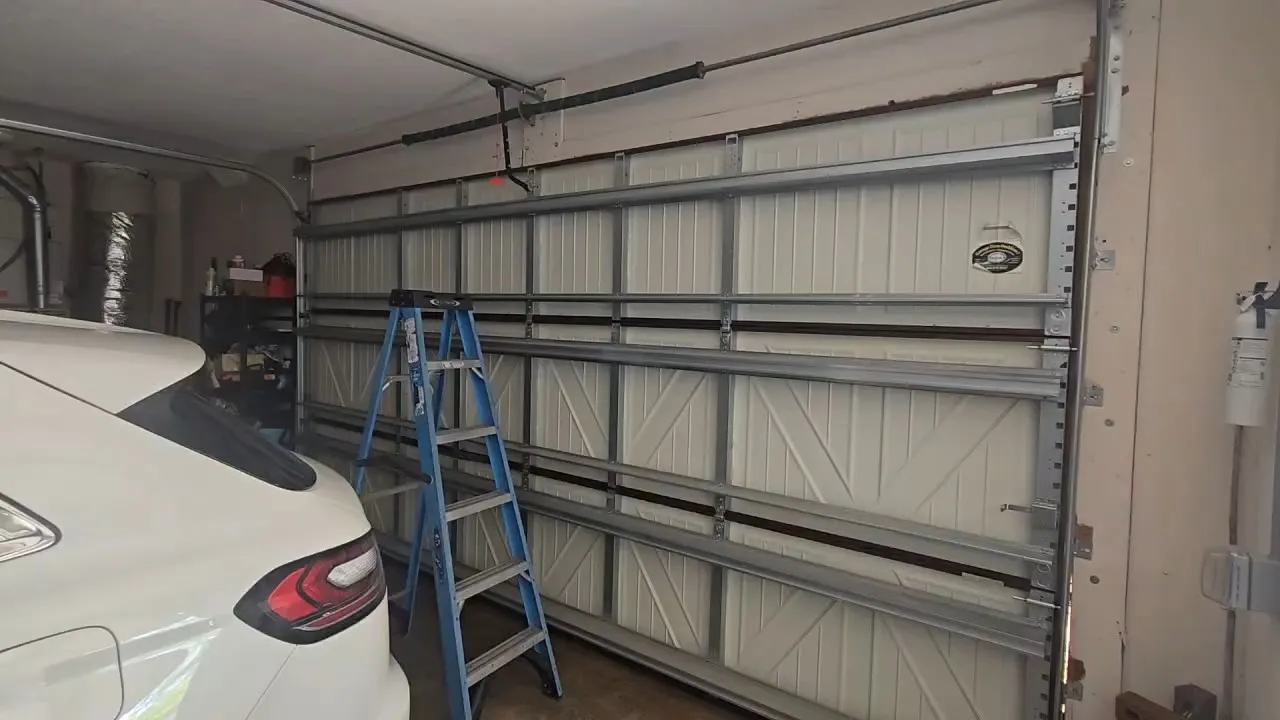
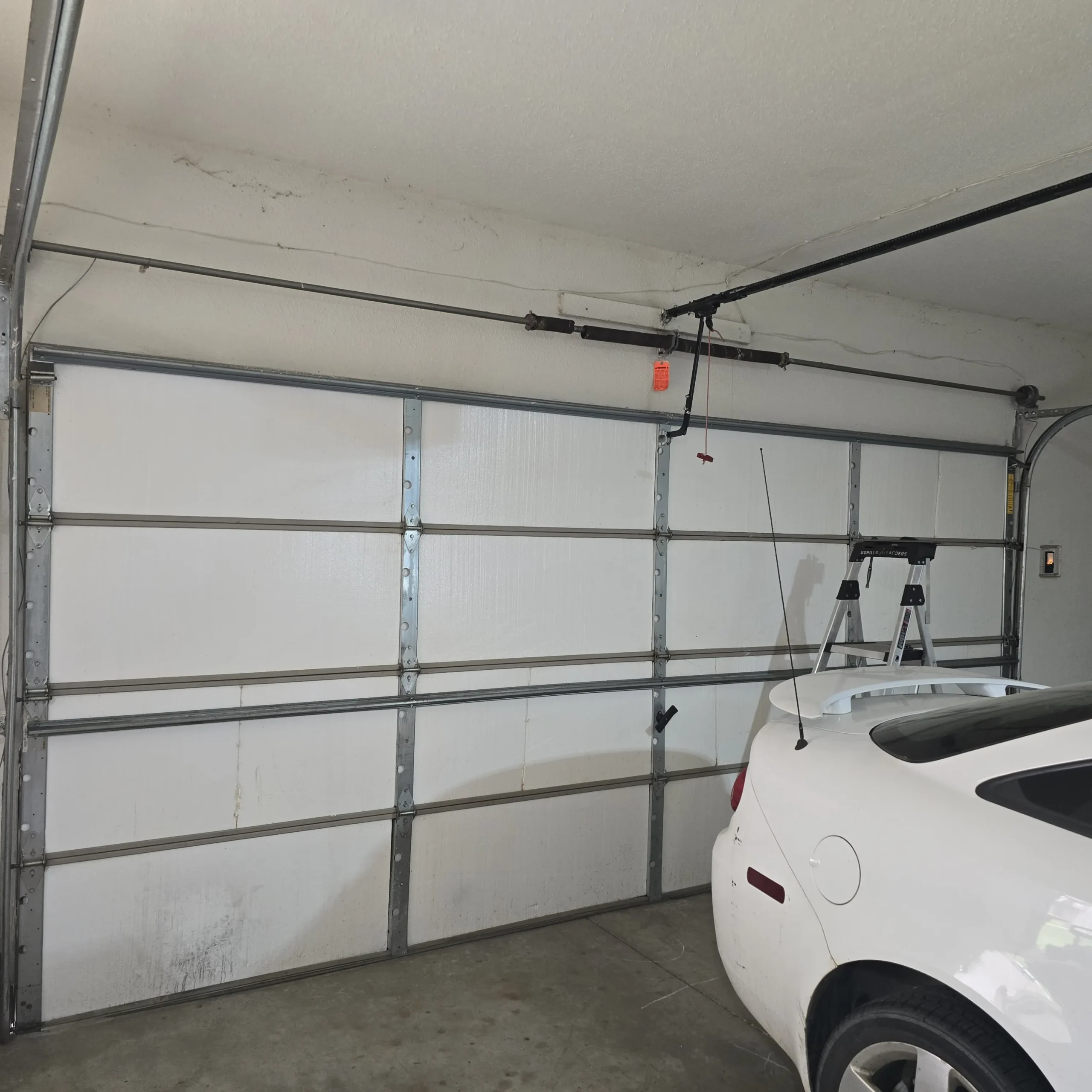
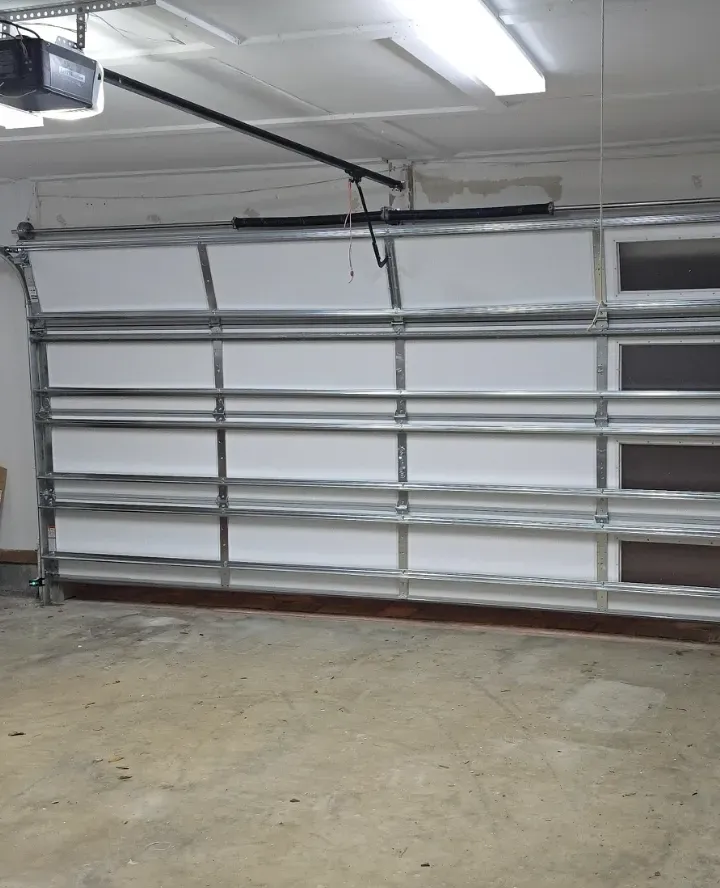
2. The Struts: Look at the horizontal U-shaped metal bars running across the back of the door pan- els. A wind-rated door will usually have heavy-duty struts on every panel (or even two per panel). If your door is flat on the back with no reinforcement, it’s likely not rated for Jacksonville’s winds.
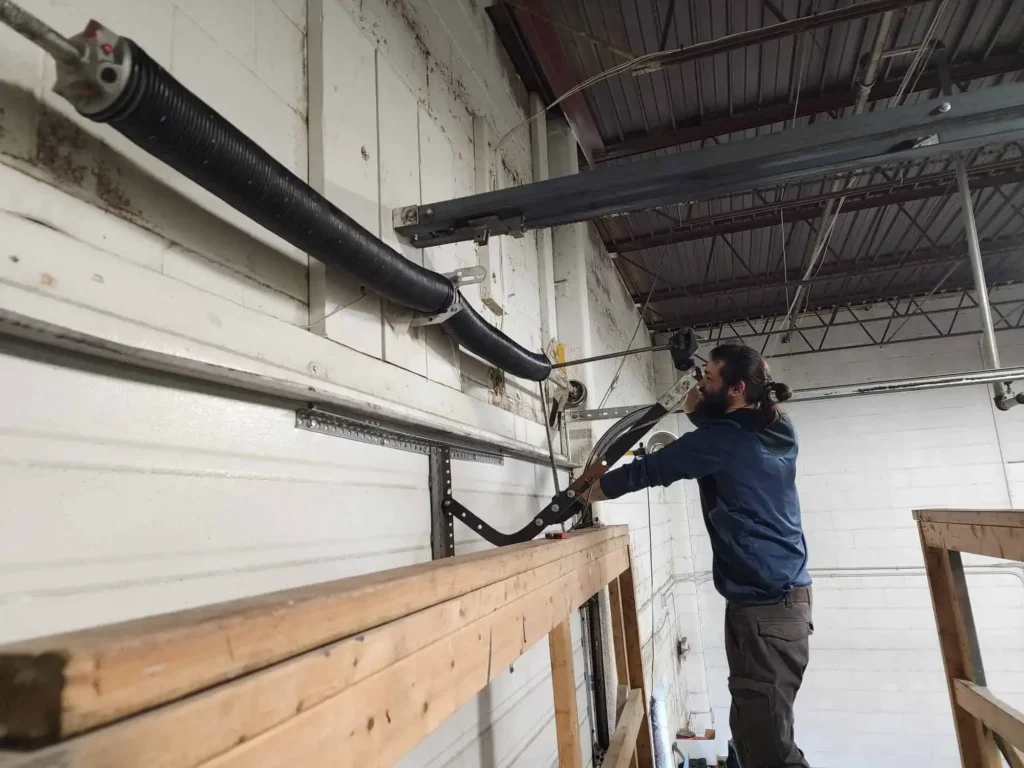
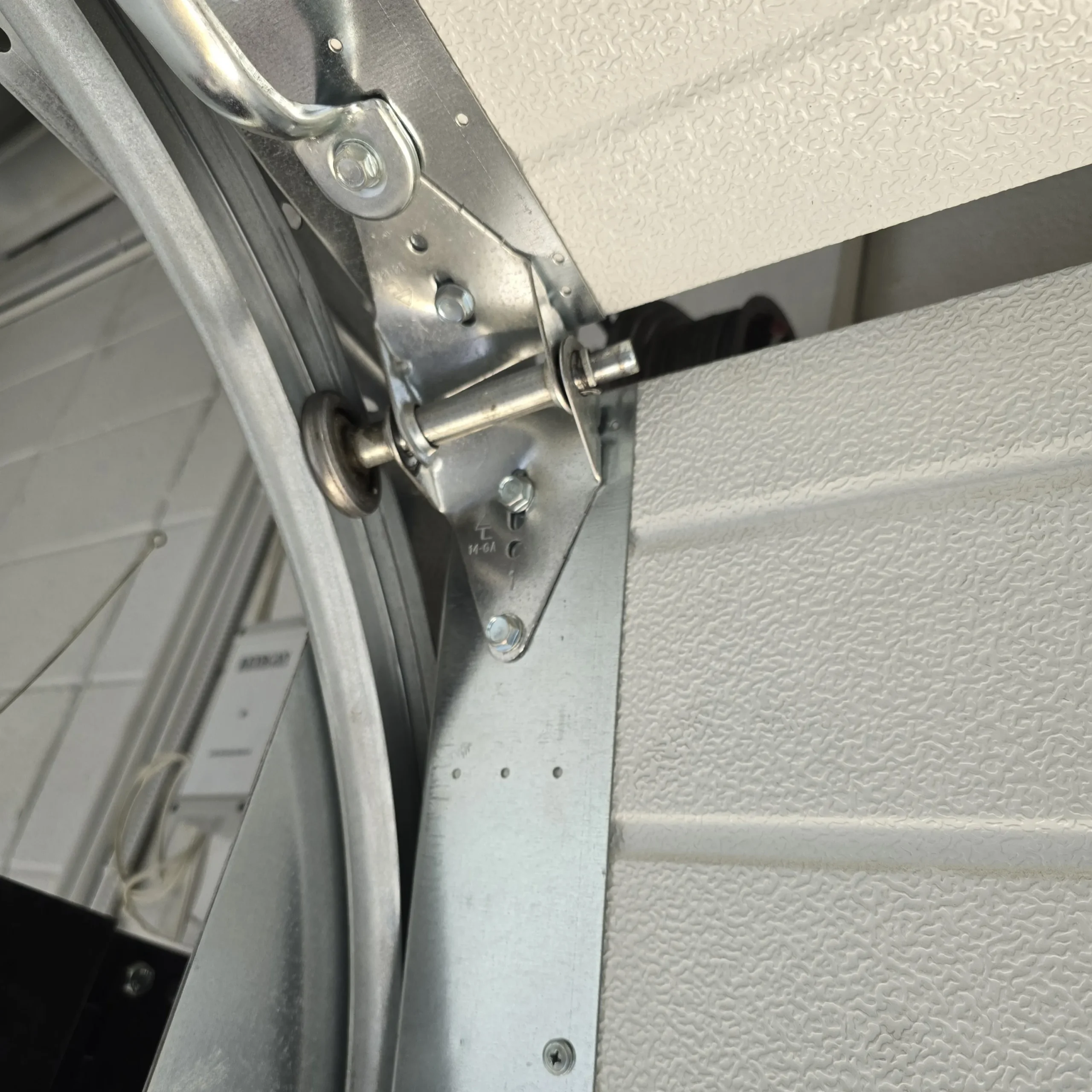
3. The Tracks: Check how the tracks are attached to the wall. Are they held by thin clips, or are they reinforced with heavy-gauge steel brackets?
If you’re staring at your door and feeling unsure, don’t sweat it. We offer same-day service for garage door repair in Jacksonville, FL, and we can perform a quick safety and compliance inspection to let you know exactly where you stand.
The Benefits of Upgrading to a Code-Compliant Door
We get it: nobody wants to spend money on a garage door if the old one still goes up and down. But upgrading to a wind-load rated door is one of the smartest investments you can make for your Flori- da home.
1. Insurance Discounts
Many Florida insurance providers offer “wind mitigation” credits. By installing a door that meets the latest building codes, you could see a significant drop in your annual premiums. Over a few years, the door practically pays for itself!
2. Enhanced Security
A door that can stop a flying 2×4 is also a door that’s incredibly hard for a burglar to kick in. These doors are built with heavier-gauge steel and reinforced hardware, making your home much more se- cure year-round.
3. Better Insulation
Wind-rated doors are often multi-layered (sandwich construction). This means they provide excellent garage door insulation, keeping that Jacksonville humidity out of your garage and helping your AC run more efficiently if your garage is attached.
Choosing the Right Door: If/Then Scenarios
Not every home in Duval County needs the exact same door. Here’s how to decide:
• If you live east of the Intracoastal: You need a high DP rating and maximum impact resistance. Salt air can also corrode standard hardware, so look for stainless steel or powder-coated options.
• If you live inland (e.g., Orange Park or Westside): You still need a wind-rated door, but your DP requirements might be slightly lower. You can focus more on style and quiet operation, like a belt- drive opener.
• If you have a double-wide (16ft+) door: These are much more prone to buckling than single doors. Reinforcement is non-negotiable here.
Professional Installation vs. DIY
We love a good weekend project as much as anyone, but when it comes to wind-load ratings, pro- fessional installation is a must.
The Florida Building Code is very specific about the number and type of fasteners used to secure the tracks to your garage jambs. If you use the wrong screw or skip a bracket, the wind-load rating of the door becomes completely void. If the door fails during a storm because it wasn’t installed to code, your insurance company might even deny your claim.
At Lavish Garage Door Services, we specialize in garage door installation that meets or exceeds the 2026 standards. We ensure every strut, hinge, and roller is positioned perfectly to withstand the pres- sure.
24/7 Support for Your Peace of Mind
Storms don’t wait for business hours, and neither do we. Whether your door was damaged in a gale or your springs snapped on a Sunday morning, we offer 24/7 availability. We know that a broken garage door is a major security risk, especially when the weather is turning.
Our team is dedicated to providing same-day service to get your home sealed up and safe as quickly as possible. We’ve been serving the Jacksonville community for years, and we take pride in being the experts you can call when things get “blowy” outside.
Verdict: Is it Time to Act?
If your door is more than 15 years old, it almost certainly does not meet the current or upcoming 2026 Florida Building Code. While you aren’t legally forced to replace a working door, the moment you need a major repair or decide to sell your home, the code requirements will kick in.
Staying ahead of the game means you get to choose your door on your timeline: not during a frantic rush after a tropical storm has already done the damage.
Ready to see if your door is ready for 2026?
Give us a shout at Lavish Garage Door Services. Whether you need a simple track repair or a full, hurricane-rated upgrade, we’re here to help. We’ll make sure your home is beautiful, compliant, and: most importantly: safe.
Stay safe out there, Jacksonville! We’ll see you on the next service call. 🛠🌀